

CPOY 70 Documentary Gold: Rohingya
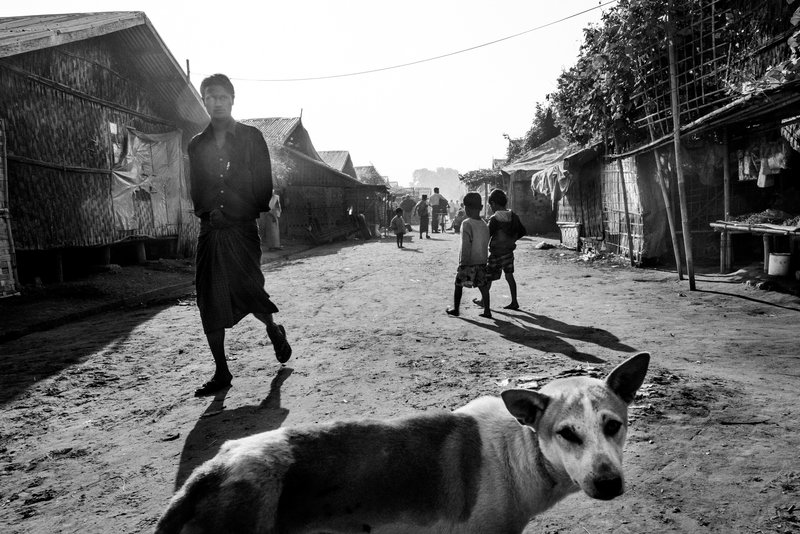
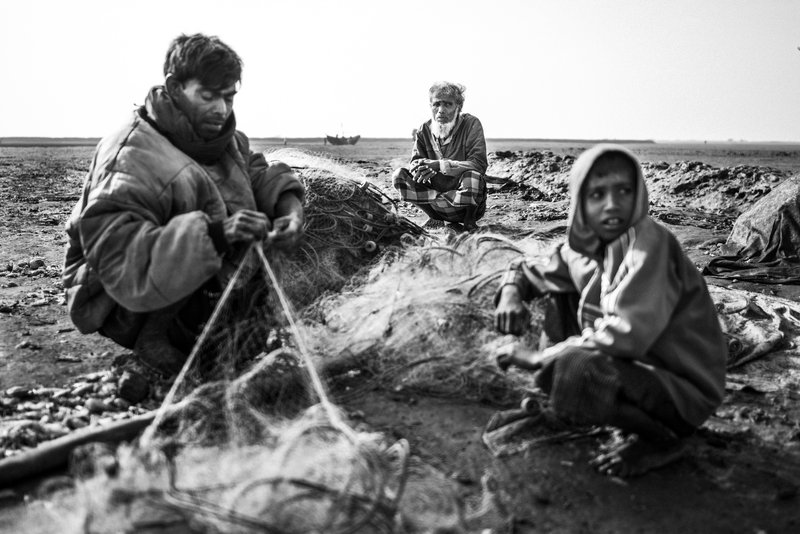
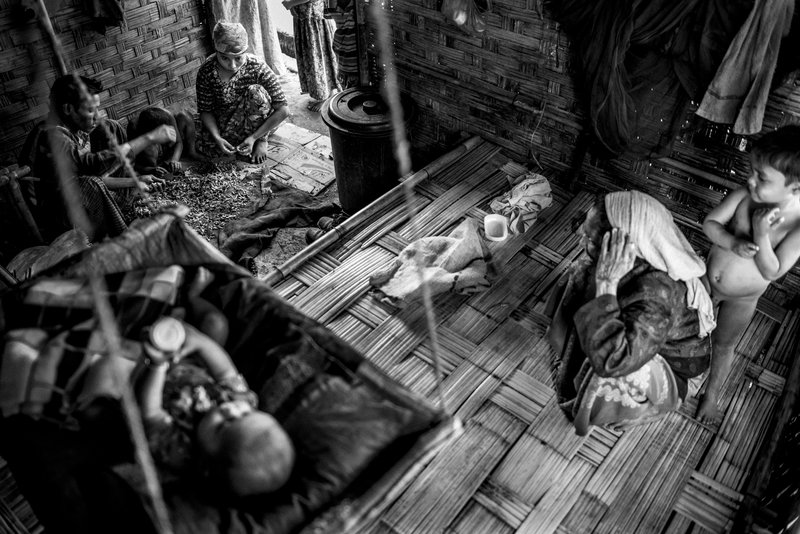
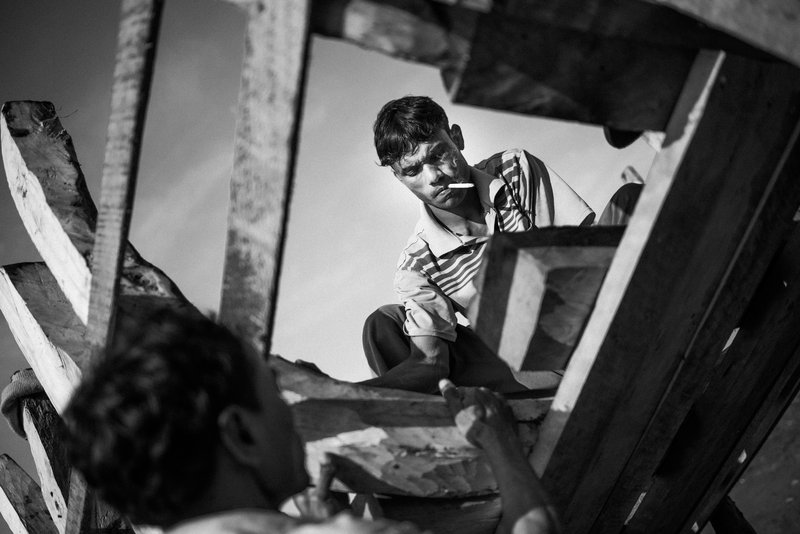
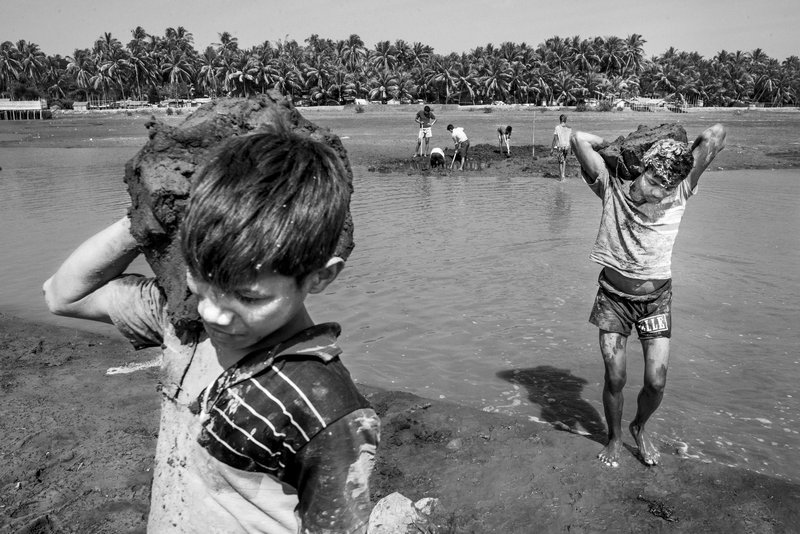
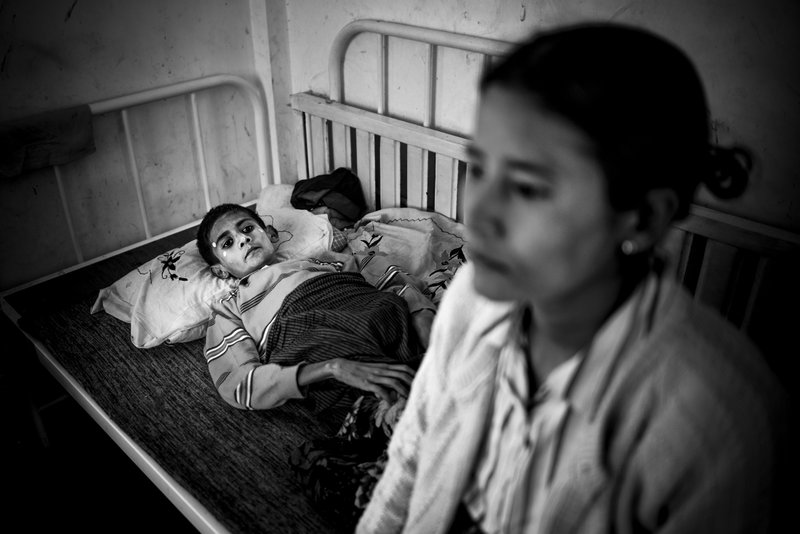
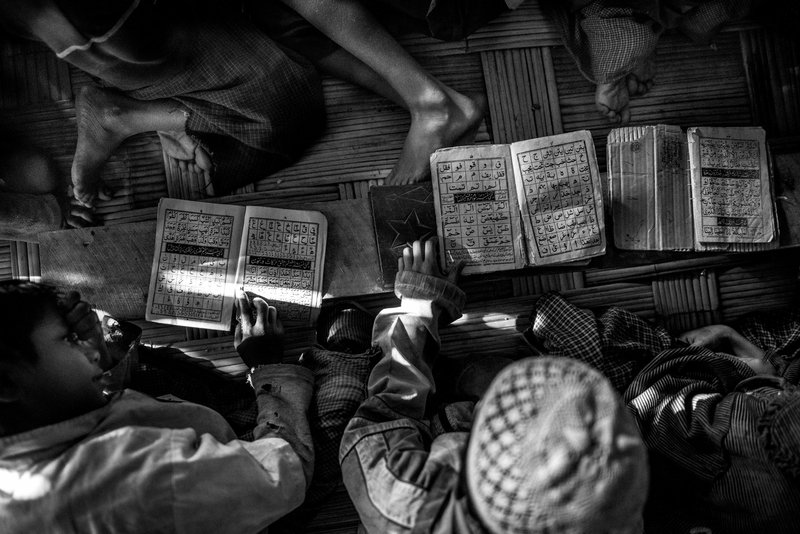
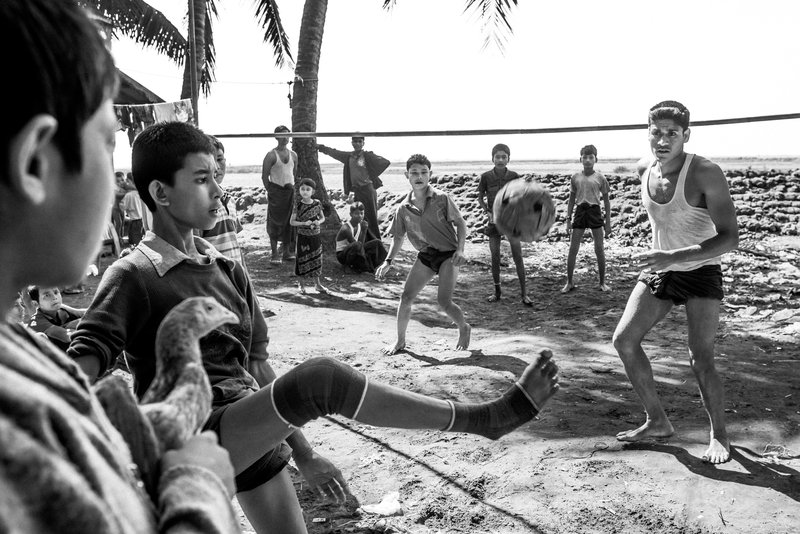
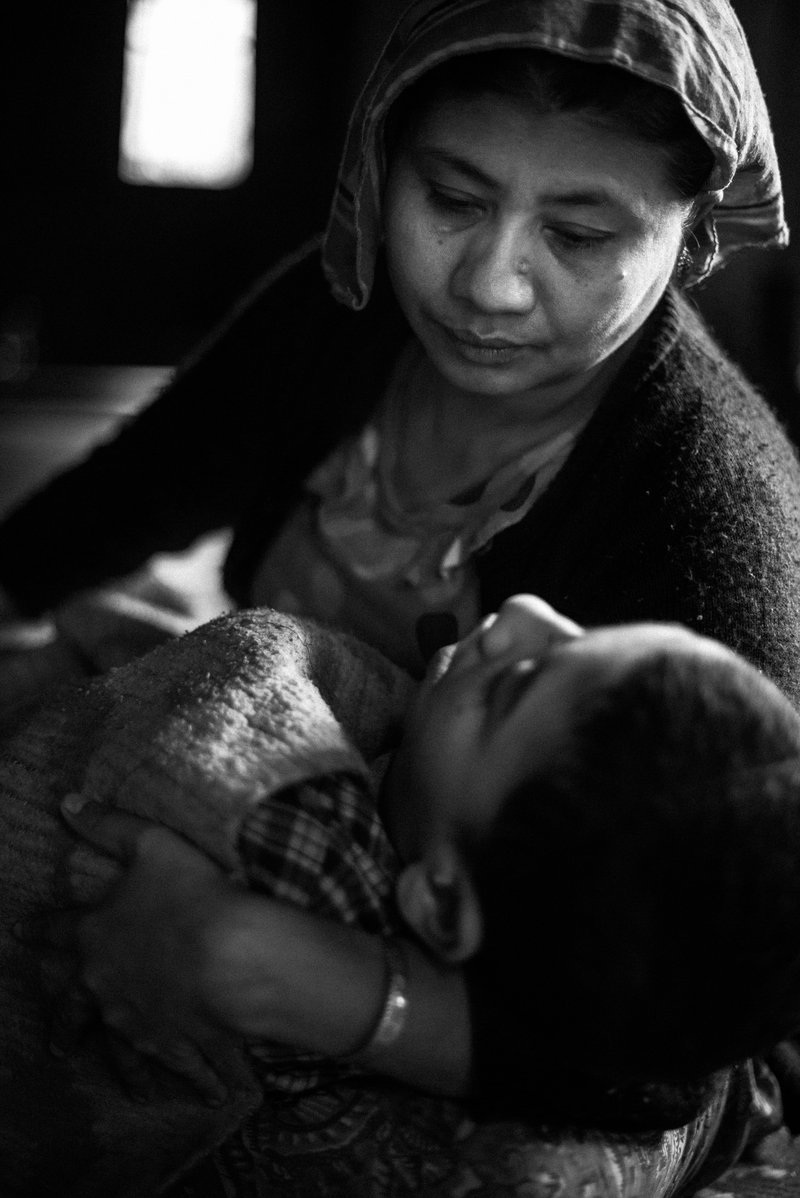
Since the Rohingya lost citizenship in Burma the Rohingya Muslims in Burma's western Rakhine province has been exposed to something resembling ethnic cleansing. In June 2012 140,000 Rohingya were violently driven from their homes in the main city, Sittwe when tensions between muslims and buddhist led to violence. Several thousand Muslim houses was burnt down and more than 200 people were killed by the military and police as they tried to save their homes. In Burma more than one million rohingya people has been forced away. Some fled to other countries and some are still in the country. The Rohingya in Burma now live in government-controlled camps for internally displaced people just a few kilometers from their former homes. The camps are like prisons, they can not go outside the camps and are cut of from the outside world. The children can not go to school, and very little aid is offered. Burma is a very complex country, consisting of about 150 recognized ethnic groups. In 2010, these 150 groups cut down to 135. 15 ethnic groups were no longer considered citizens of the country. Among them Rohingya. They were now seen as illegal immigrants from Bangladesh without any rights. They are maintained in the camps indefinitely. Burma will not recognize them or have them in the country. Their only way of escape is the Bay Of Bengal in homemade boats. The most obvious place to go is Bangladesh. But there is already many Rohingya there and the country has other problems. Therefore the Rohingya risk that the military and police literally pushes the boats out to sea again. Those who flee Burma now, go to Malaysia or Thailand. A journey of more than 2,000 kilometers.