


CPOY 74 Portfolio Award of Excellence: Rafael Heygster
A body of work that demonstrates versatility, expertise and depth and showcases a photographer’s vision.
Caption
Slide 16 of 31
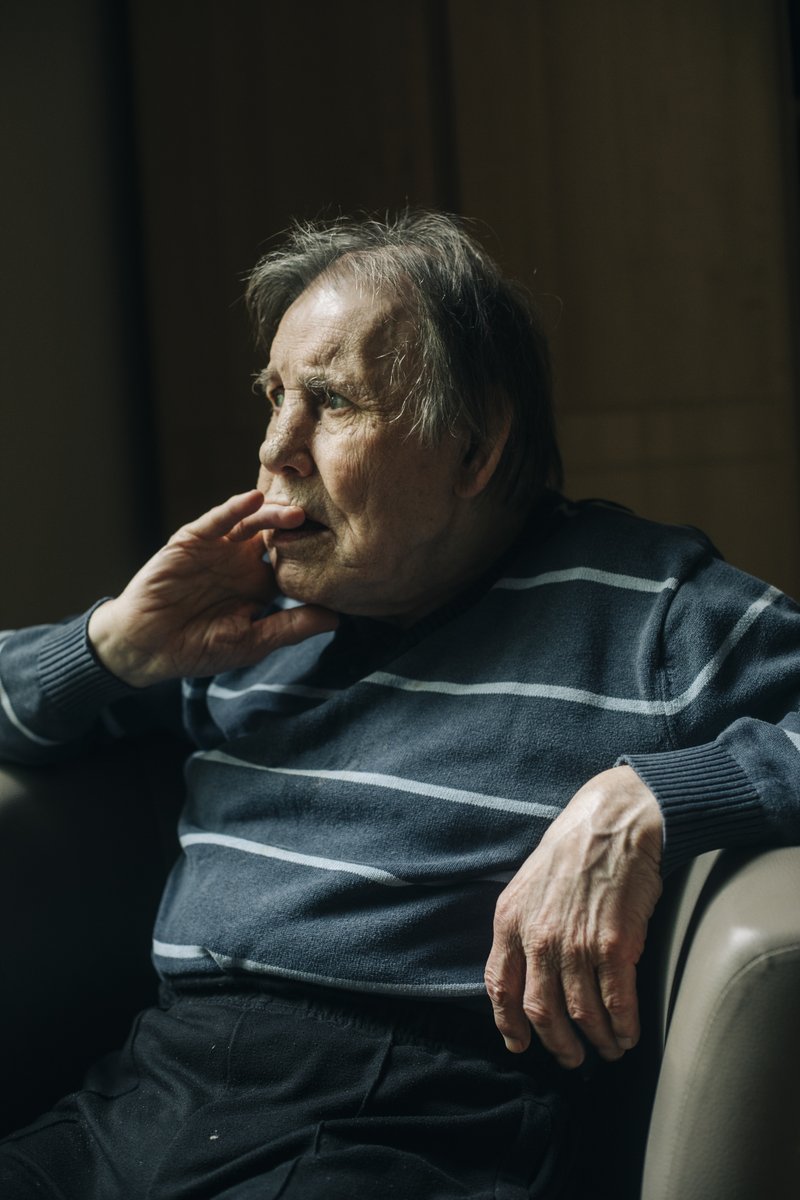
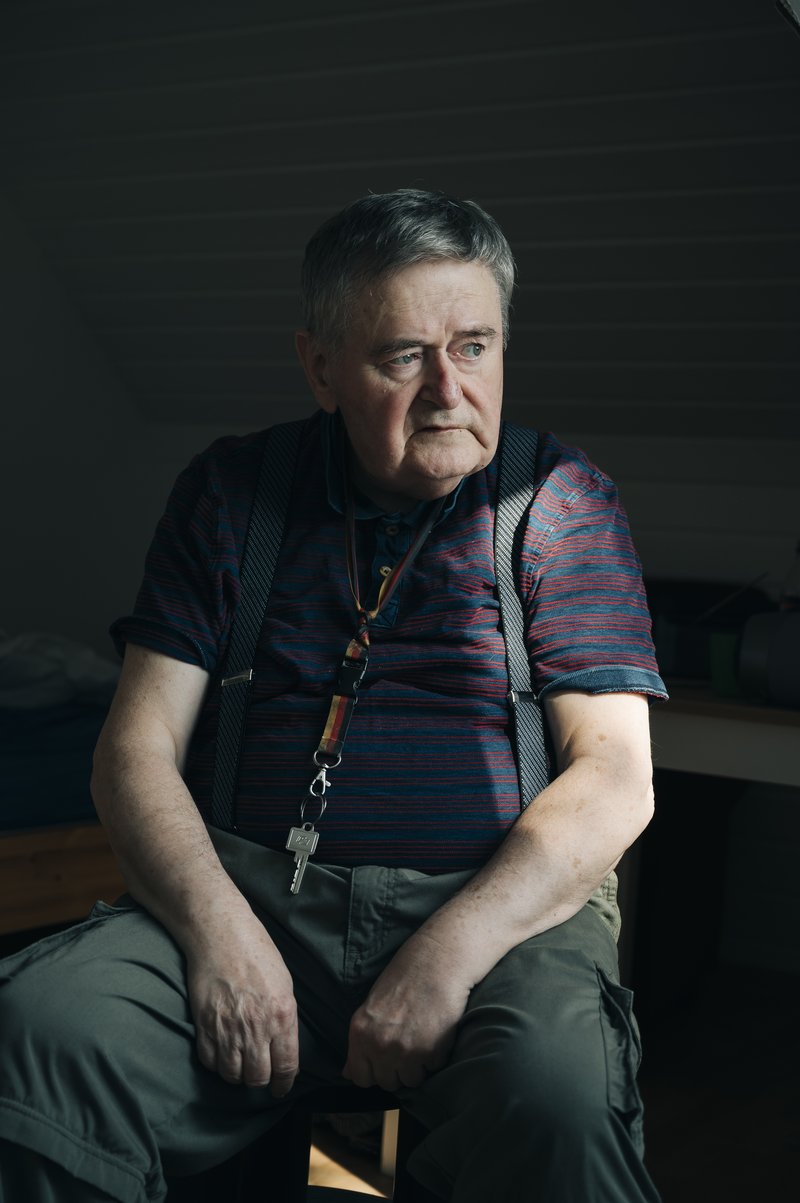
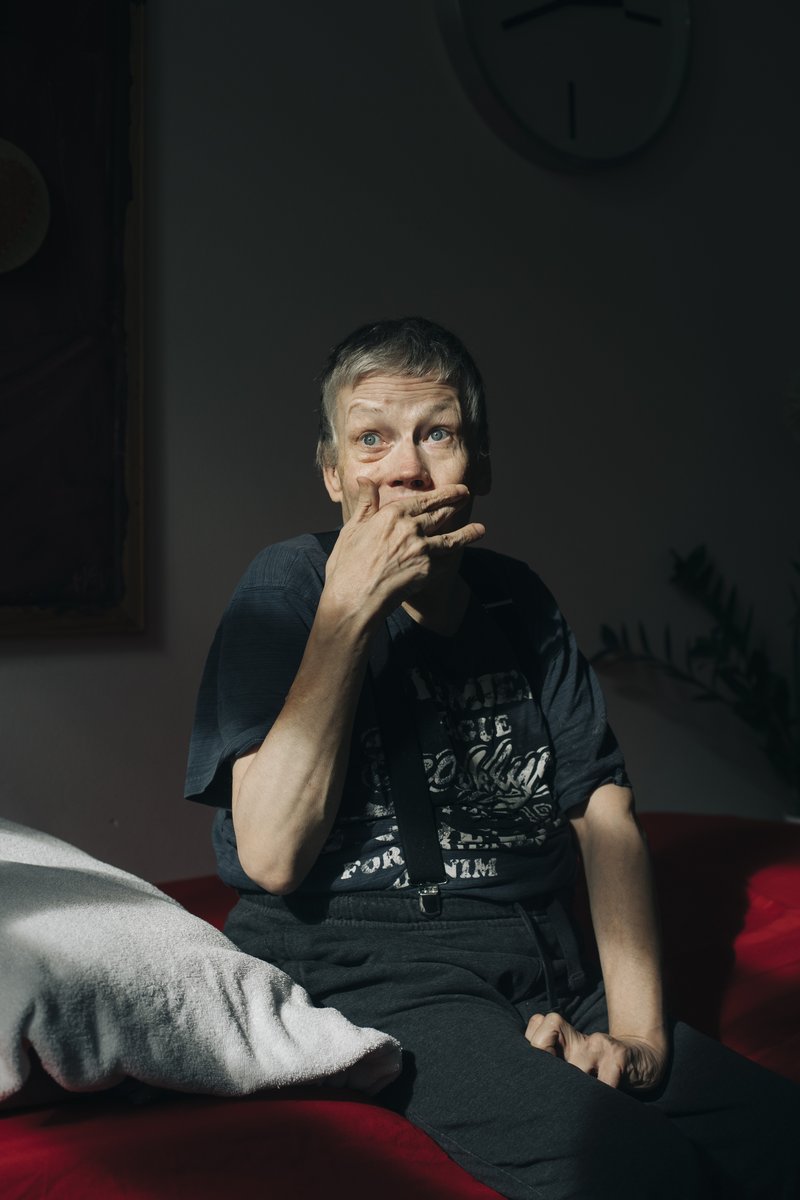
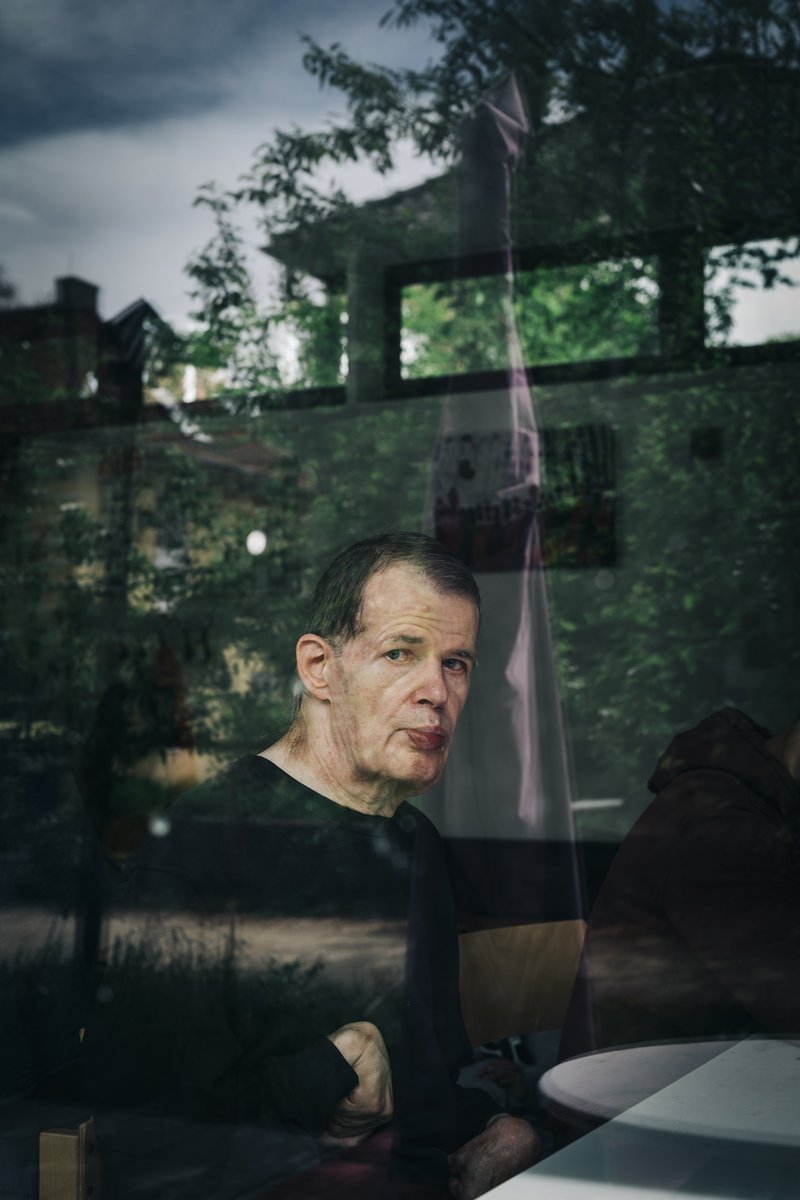
Until 30 years ago, in Germany people with disabilities were accommodated in psychiatric long-term hospitals and excluded from social life without social, educational or cultural offers. One of these long-term psychatries was the former monastery Blankenburg near Oldenburg in Lower Saxony. Blankenburg served as Branch of Psychiatry Bremen East. Far away from the city of Bremen, the patients had to live in partially inhumane conditions: For years strapped to beds, exposed to physical and psychological violence, six days a week stuffed food, one day a week laxatives and no personal clothing are just a few examples of conditions in the former long-term psychiatry. In the course of German psychiatry Reform Blankenburg was dissolved as the first German long-term psychiatry in 1988. Today, the former patients live in their own apartments, supervised shared apartments and dormitories in and around Bremen. Most are retired. Their experiences in Blankenburg thematize the least: some are the Memories of heavily faded, others missing the language skills, and others I do not want to talk about they experienced. Over the past decades, the way our society interacts with people with disabilites has been changed to a more inclusive approach. In Germany, the dissolution of Blankenburg has been the starting point for this process, which has been decided by the Federal Government and continues to this day. The former patients are contemporary witnesses for overcoming an inhumane way of dealing with people. Even though the former „Blankenburgers“ live in different places today, they remain united by their shared history. The protagonists are severely handicapped and the verbal communication as well as building up relationships with most is possible only very limited. As a photographer, I have to spend several days with each protagonist, just being present, watching, and trying to get close to the people without language.

See more at cpoy.org