


CPOY 70 Portfolio Award of Excellence: Michael Santiago
A body of work that showcases a photographer’s vision and demonstrates versatility, expertise and depth.
Caption
Slide 3 of 35
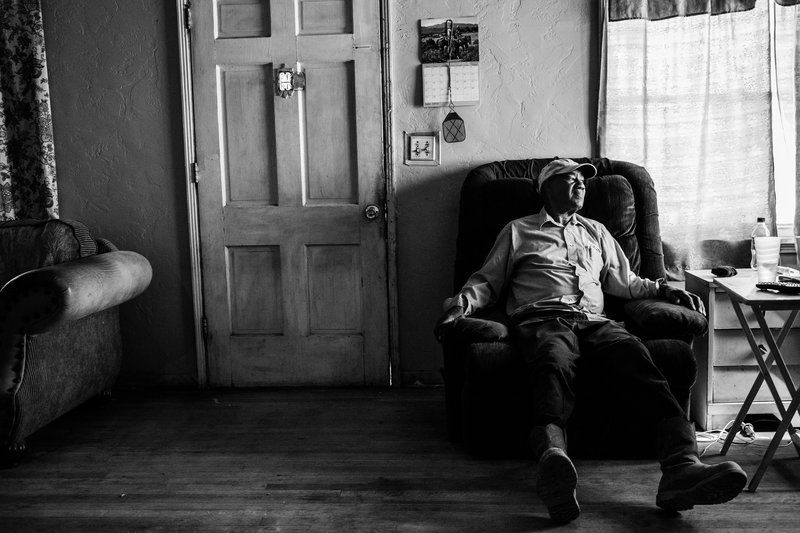
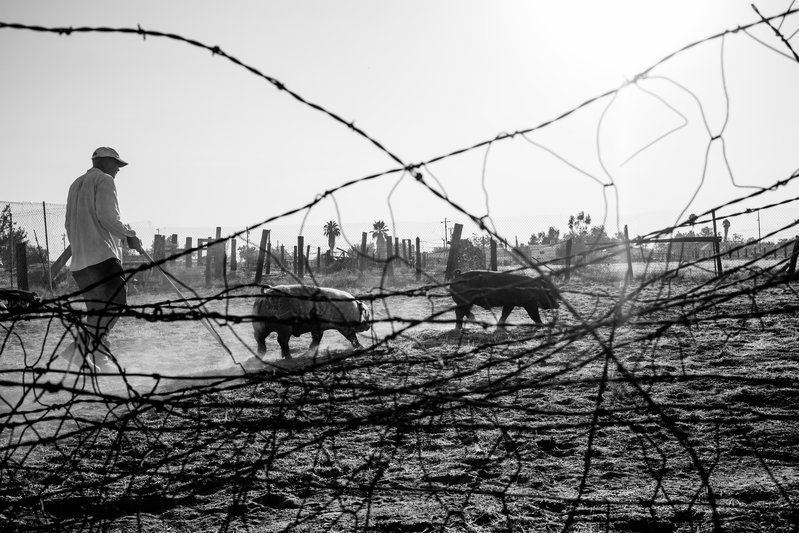
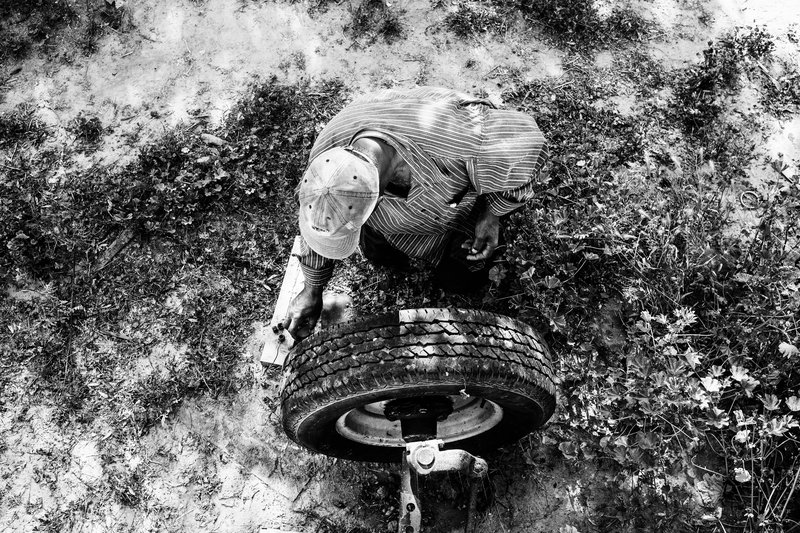
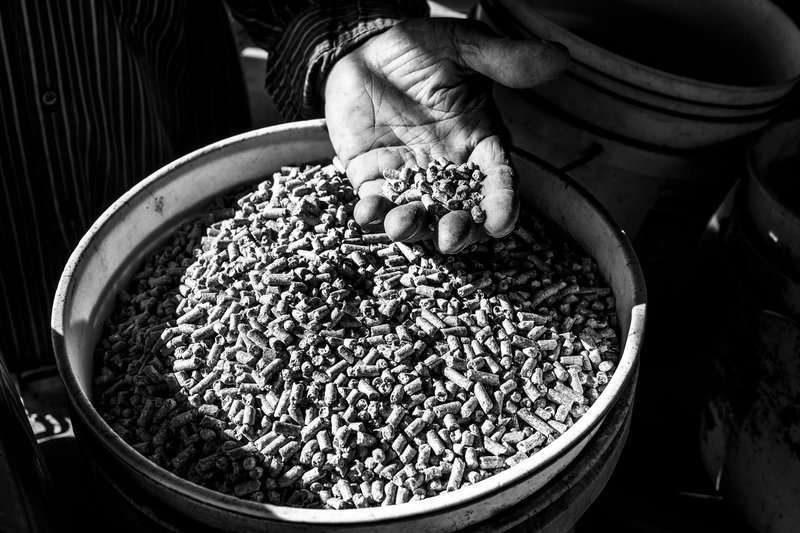
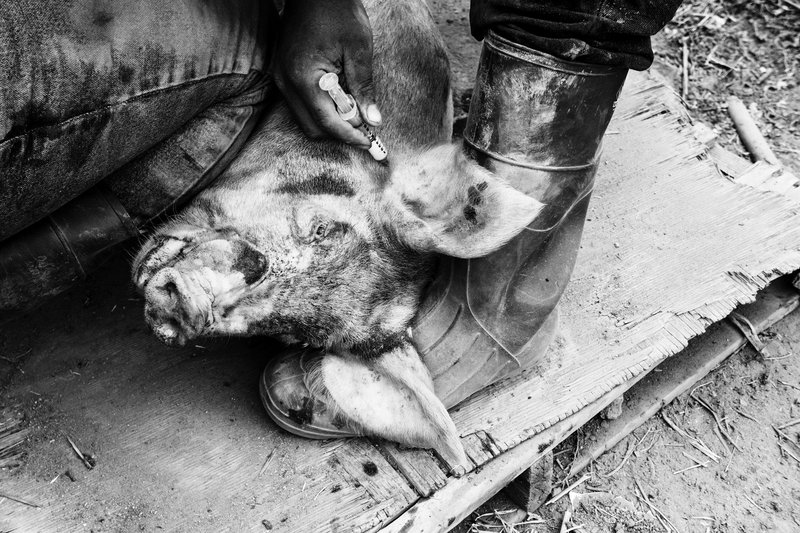
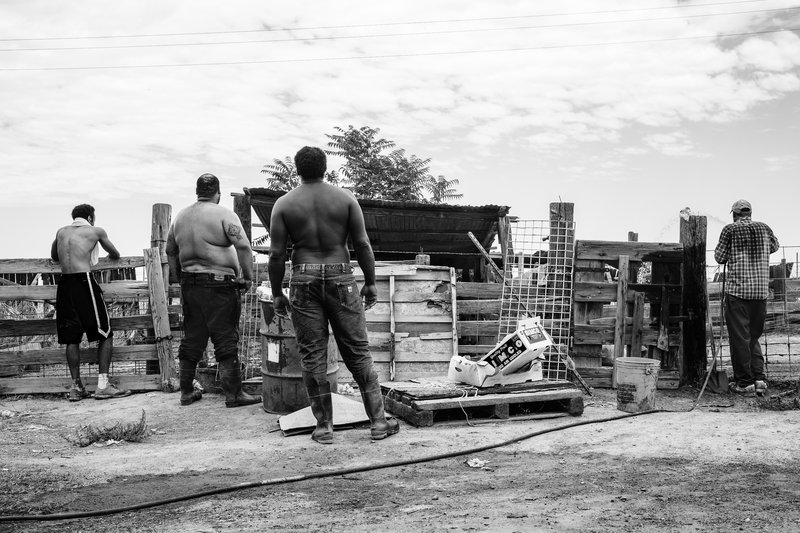
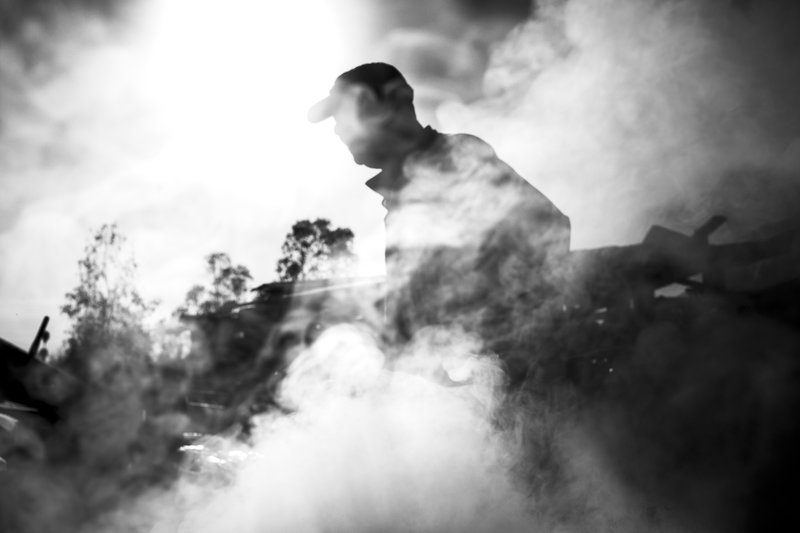
Kern County in California has become synonymous to California residents for its oil fields and agriculture. Driving through certain parts of Bakersfield, you can see various large scale farms. James McGill, who is a 3rd generation pig farmer, owns a small farm in Bakersfield, but you wouldn't know it's a farm unless you know him. His family has owned the property for over 70 years, although the size of it is no longer the same due to land loss after the passing of his father. At that time there was a handful of Black farmers in Bakersfield, but now Mr.McGill is the only one as far as he knows. After returning from Vietnam, Mr. McGill and a partner owned a 320 acre farm but lost it all in 1987 due to alleged suspect practices by a USDA lending agency and has been fighting to regain or be compensated for his land since. He currently still farms on his father’s property which is now just 5 acres and for farmers 5 acres is not enough land to be self sustainable. He can only hold between 20 and 30 pigs at a time, and sells them at auctions every 5 to 6 months for roughly $200 to $300 per pig. He was involved in the Pigford lawsuit against the USDA alleging racial discrimination towards African-American farmers, but the compensation was not enough to put him back where he wants to be. Mr. McGill's story is not an uncommon one for Black farmers. Ms. Shirley, whose family began farming after slavery in Jasper Mississippi, share similar experiences to Mr. Mcgill. In 1920 African-American farmers made up approximately 14% of all farmers in the United States, and owned a combined 15 million acres of land. Since then they have faced the effects of aggressive globalization, changes in technology, racist lending policies, corporate farm buyouts and changes in the policies by the U.S. Department of Agriculture. African-American farmers today now account for less than 1 percent of the nation's farmers.
Michael Santiago / Syracuse University
See more at cpoy.org