

CPOY 71 Documentary Silver: European Jungle
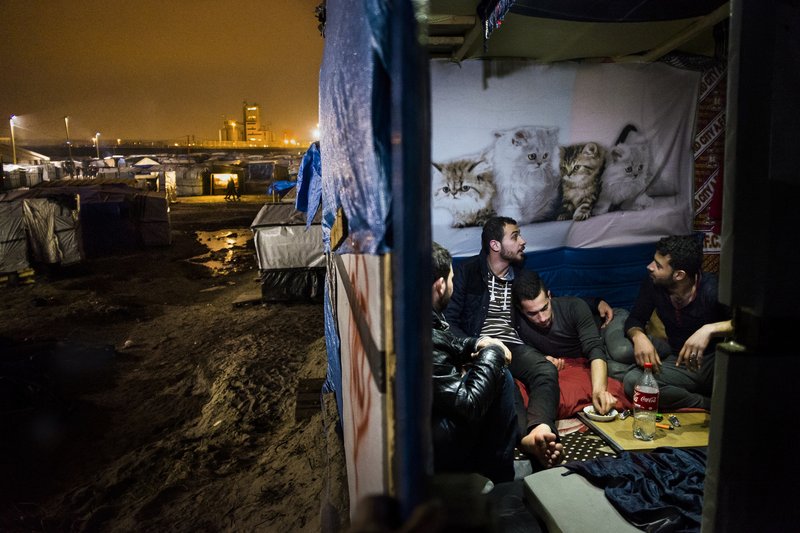
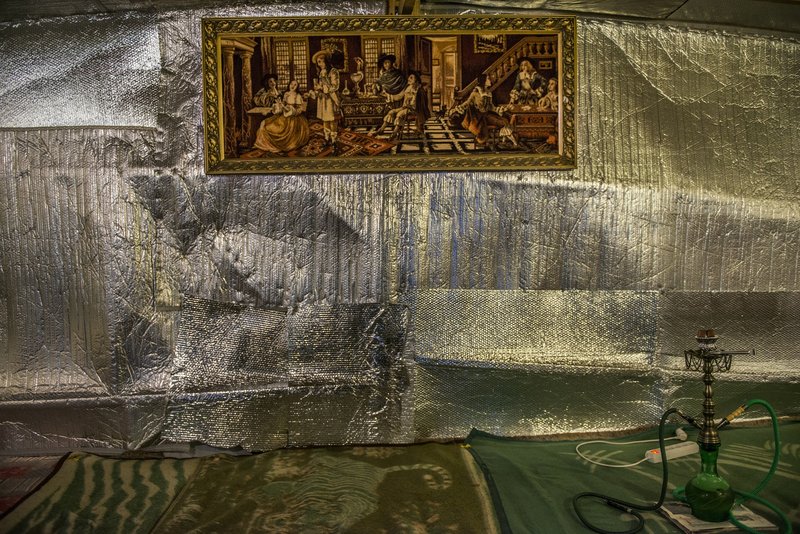
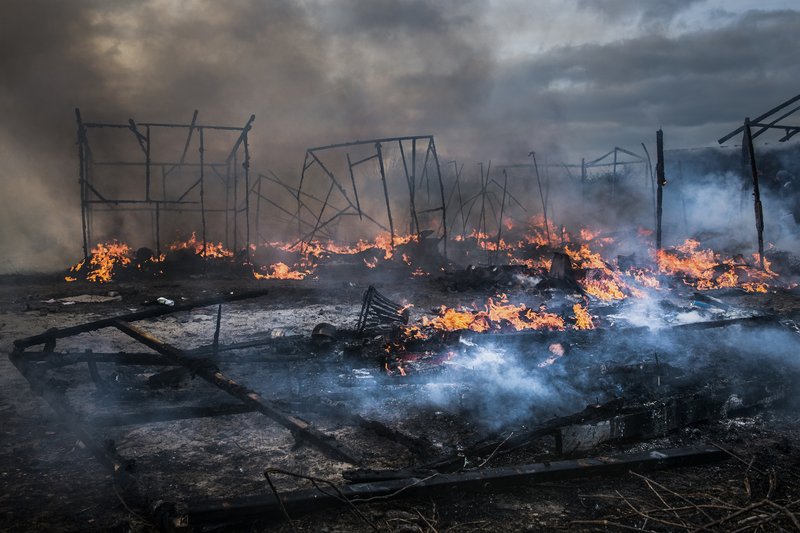
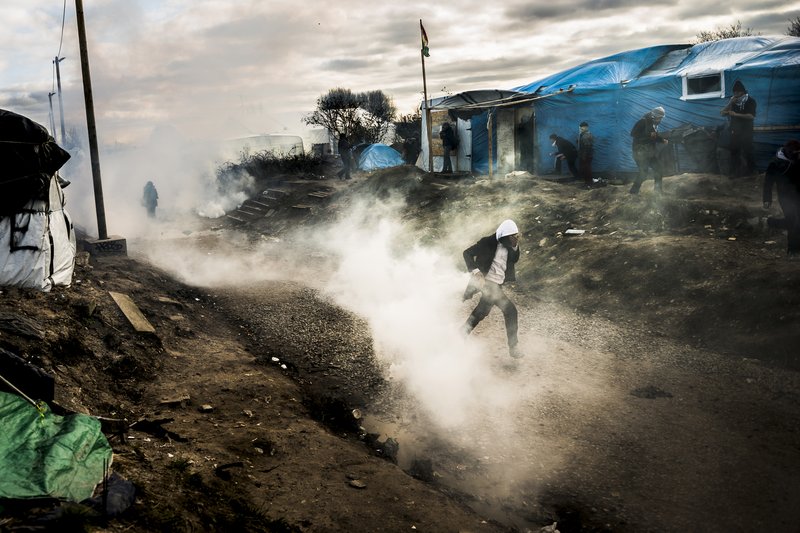
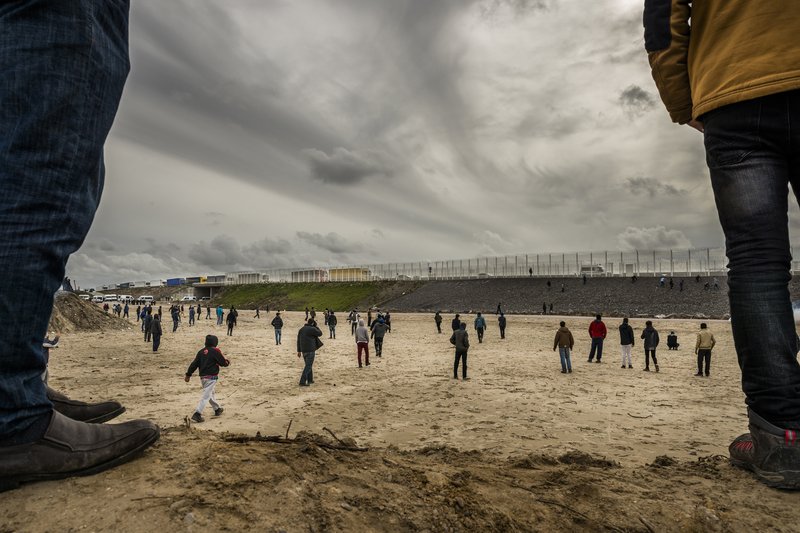
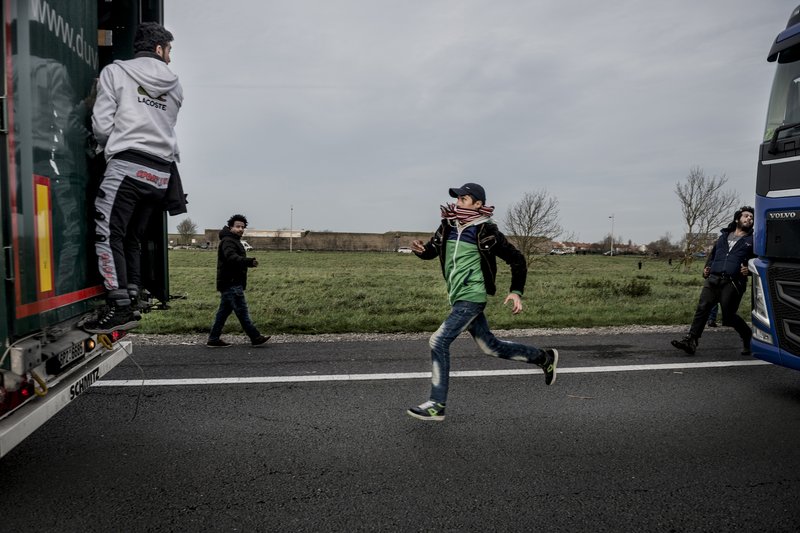
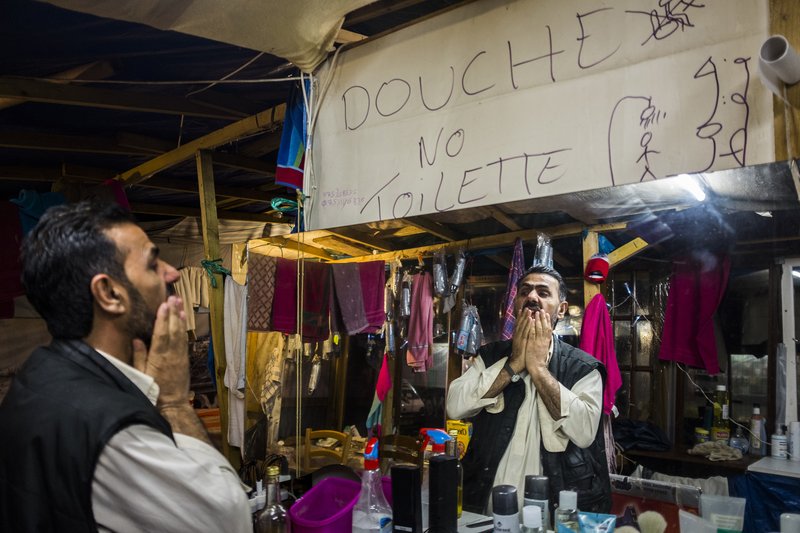
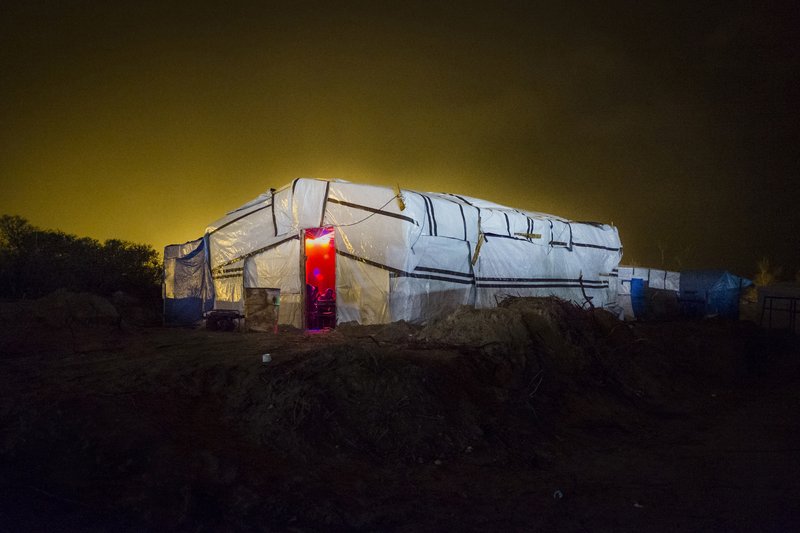
Jungle is the nickname given to a refugee camp in the vicinity of Calais, France. In September 2016 the Jungle had expanded try tripling its size of population during the last year. 9000 men, women and unaccompanied children were living in mud, tents or temporary shelters they’d build themselves and decorate as best as possible. They all have the same goal: to enter the UK. Since 1999, there’ve been refugee camps around the French coastal city of Calais. Previously, it has always been about a couple of hundred migrants gathered in hope to manage to climb into trucks to take the ferry across the channel, or to board the trains just before they go through the Channel Tunnel. The infrastructure of the Jungle has developed rapidly. There are churches and mosques built of sticks, tarpaulins and plastic, papered with blankets. Blankets from home, blankets that are warming, blankets with Big Ben. Syrians, Afghans, Sudanese, Kuwaitis, Kurds, Pakistanis and many more live side by side among the seventy restaurants, shops and hairdressers that stretches along the main street through the camp. In September 2016, much has changed. Some of those who paid dearly for smugglers have been reunited with their relatives in the UK and are now waiting for the first asylum talks. On the French side of the channel the number of refugees is growing. The organization Help Refugees who have volunteers in place counted the number to 9106 in August, more than 4,000 more than in February after the evacuation of the southern camp. The donated food is not enough for long to feed everyone and a concern about the camp's future is in the air. French Interior Minister Bernard Cazeneuve said in early September that the remaining half of the camp will be dismantled as quickly as possible with start in October. But daily life and escaped attempts are continuing as usual.
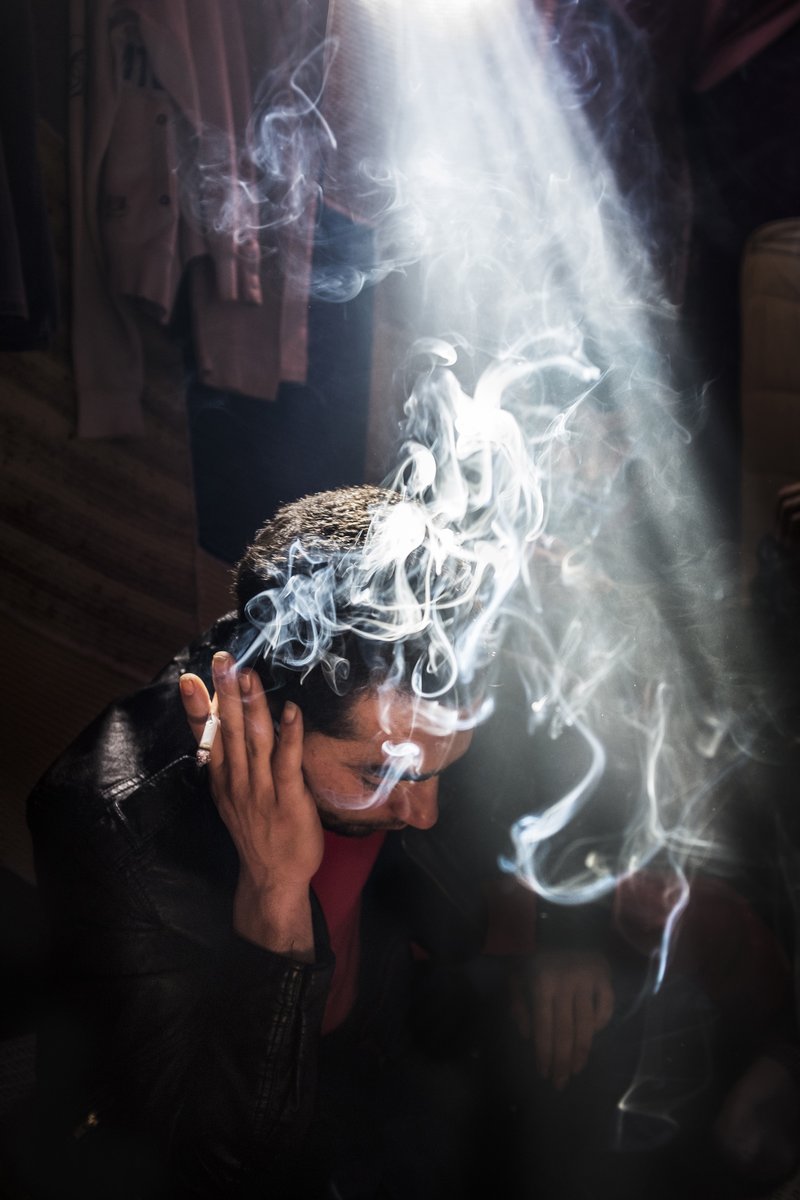
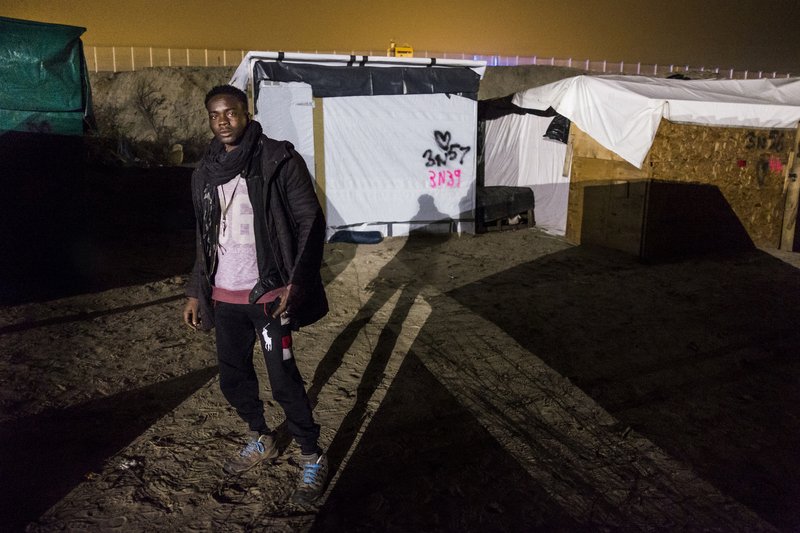
Assadik Eshady, 22 from Sudan. He recently applied for asylum in France and left his fingerprint two weeks ago. When the picture was taken, he had lived in the jungle for seven months. "I do not want to risk being hit by a truck and die like several of my friends here,” he said about his decision of applying for asylum in France He started talking about the 18 hours journey by boat from Libya to Italy. "We sat in rows, close proximity to each other so that more would fit. Every time someone died, we had to throw out the person in the water to get a bit more space. Others have it worse and go with about 20 people in rubber boats that nobody knows if the boat will last. " In their small block they call the Buckingham Palace refugees from Ghana, Sudan, Eritrea and Ethiopia are living together. In the middle there’s a large tent with many holes so it can be used as fire tent to keep up the heat at night.