

CPOY 72 Domestic Picture Story Silver: Oil and Water
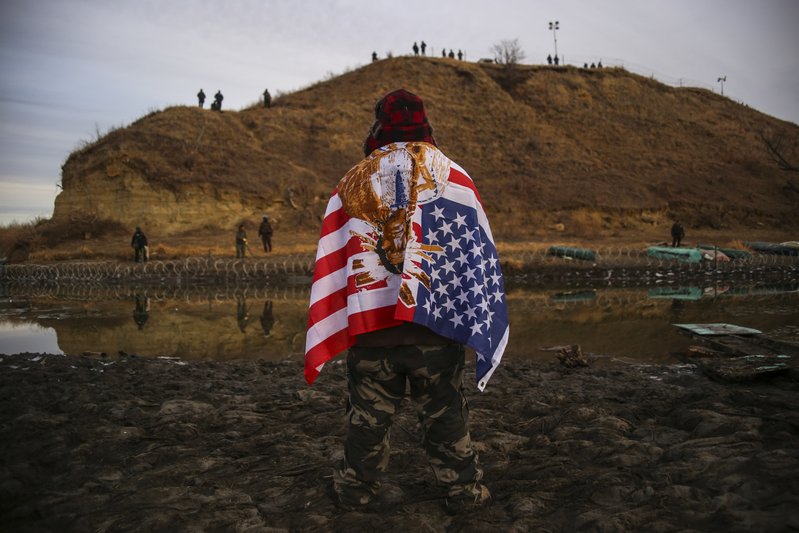
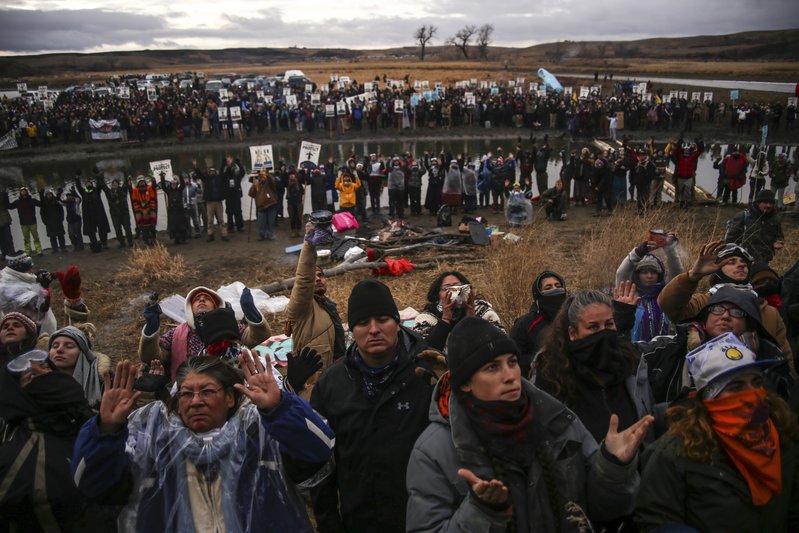
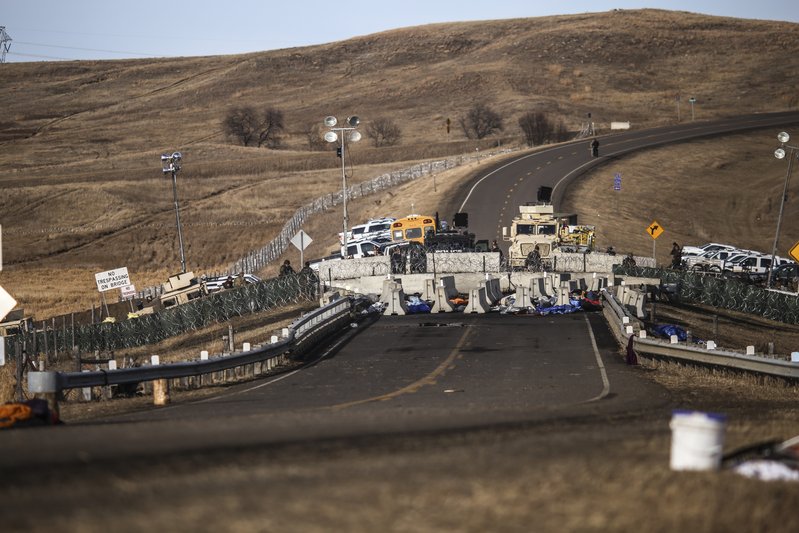
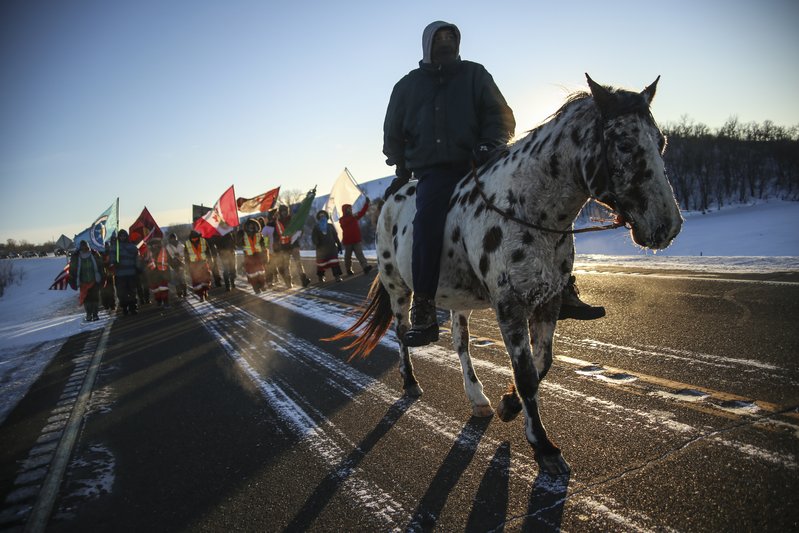
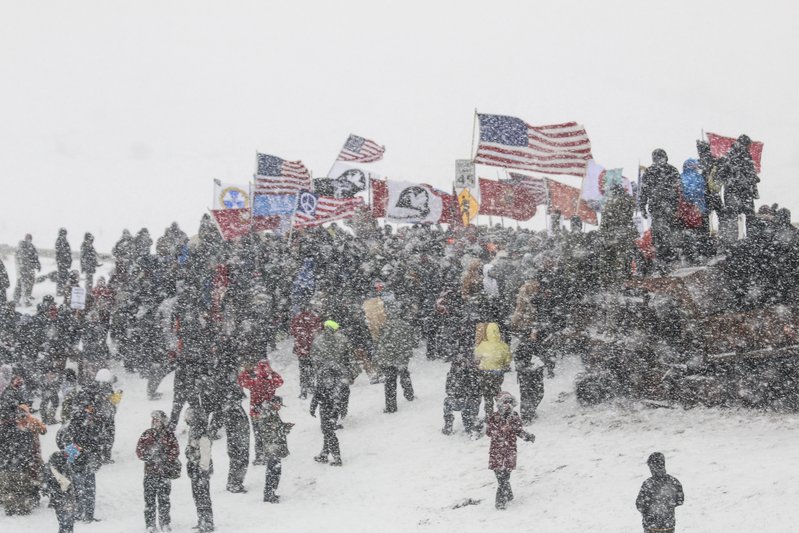
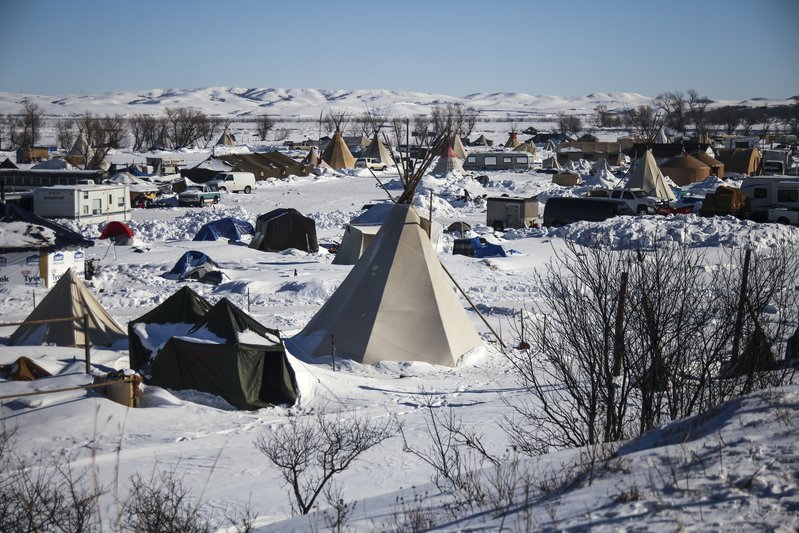
On February 7, 2017 the US Army Corps of Engineers granted the controversial Dakota Access oil pipeline an easement to pass beneath Lake Oahe and the Missouri River, north of the Standing Rock Sioux Reservation. Since early 2016, thousands of Native Americans have been fighting to prevent the pipeline’s completion. In the final days of Barack Obama’s presidency the White House put the construction on hold pending further assessments, and for a while the protesters believed they had won. Crowds celebrated with fireworks on the snow covered prairie of North Dakota. But everything changed with the arrival of President Donald Trump. Within days of Trump taking office, an executive memorandum was issued calling for the pipeline to proceed. And two weeks later, the president’s order was followed through, and the Army Corps granted the easement. For the Sioux people who opposed this venture and the coalition of 200 tribal nations that joined them, this development is a crushing blow.
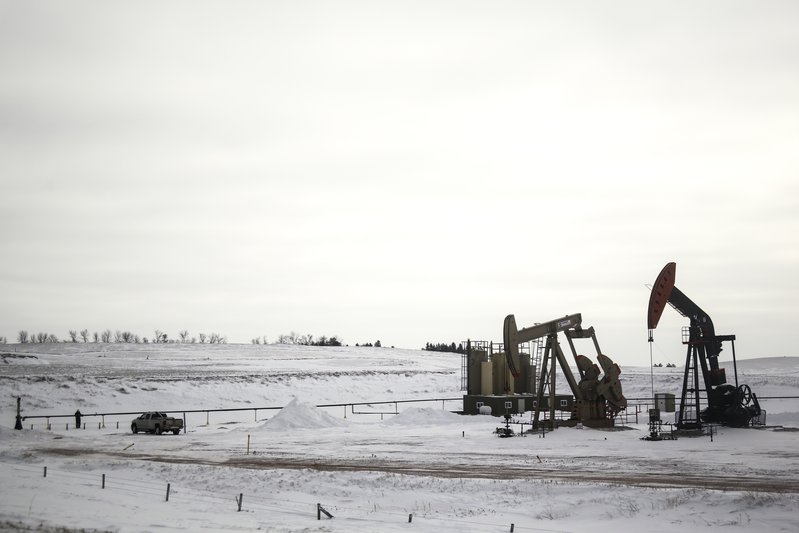
Oil pump jacks are seen along Interstate 94 in the Bakken Formation near Belfield, North Dakota on January 5, 2017.
The oil industry in North Dakota supports much of its economic stability and infrastructure. According to a recent study by Grand Forks firm AE2S Nexus, cities in North Dakota’s oil-heavy Bakken Formation are expected to see a growth in population as oil prices recover. The population growth will require an expansion of city infrastructure and services to keep up with demands needed to provide for its residents.