

CPOY 73 Domestic Picture Story Silver: Rohingya Crisis: The Journey across to Bangladesh
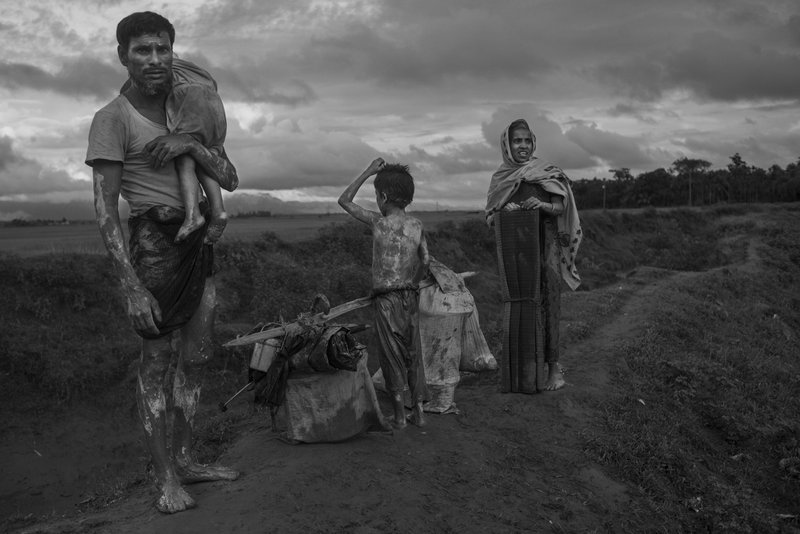
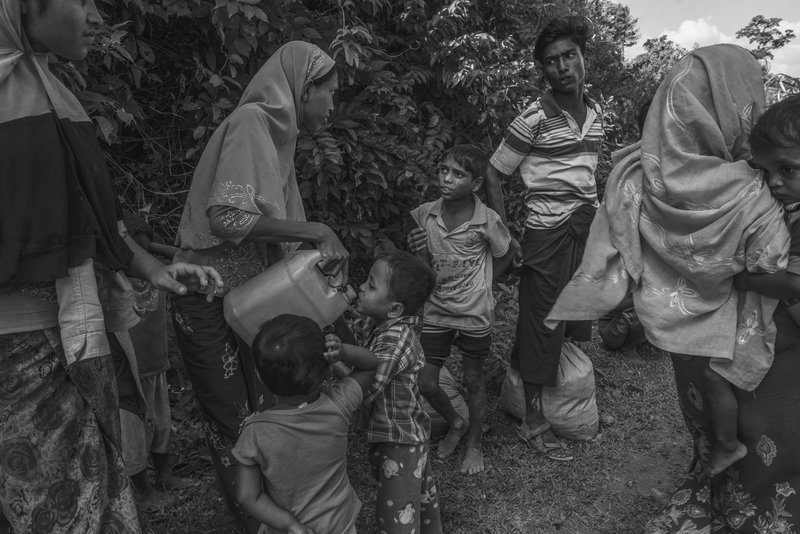
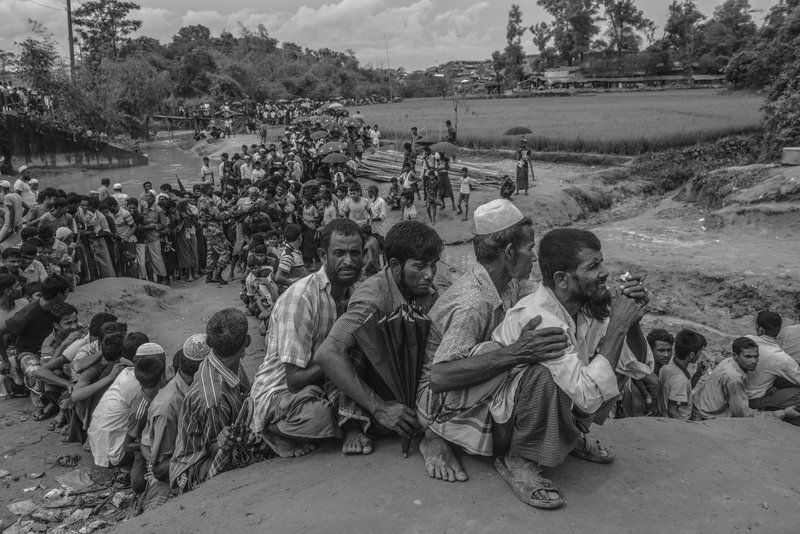
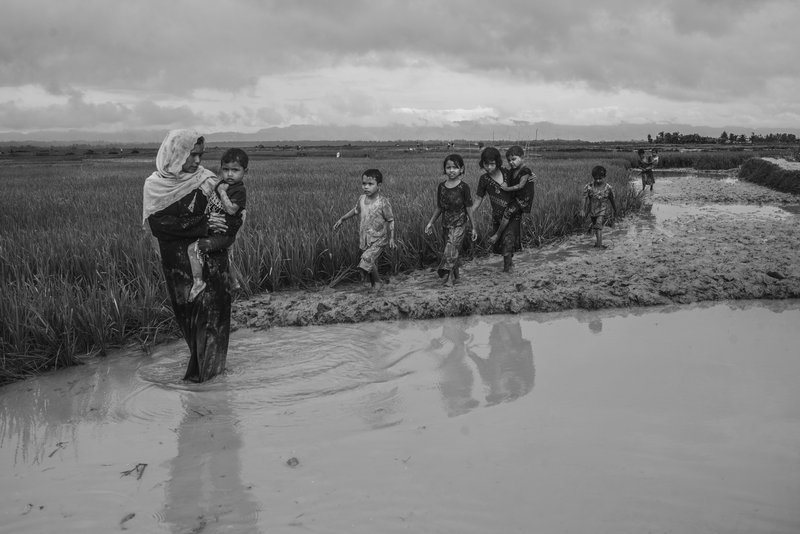
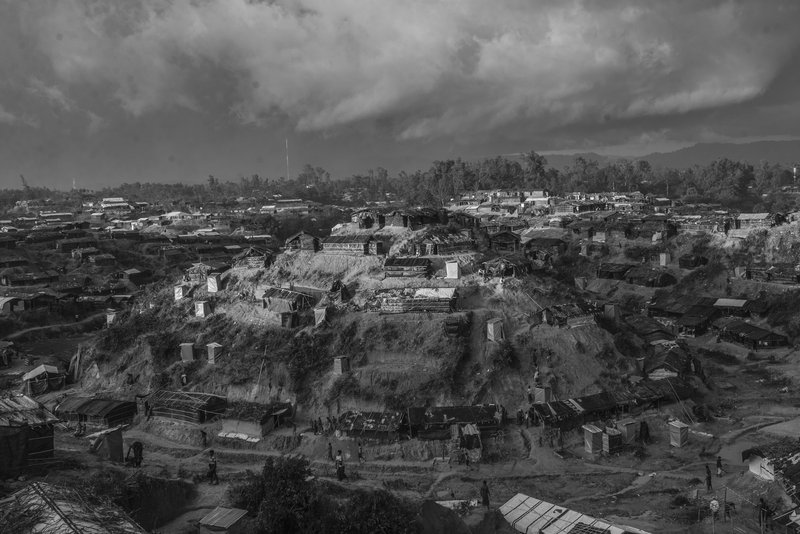
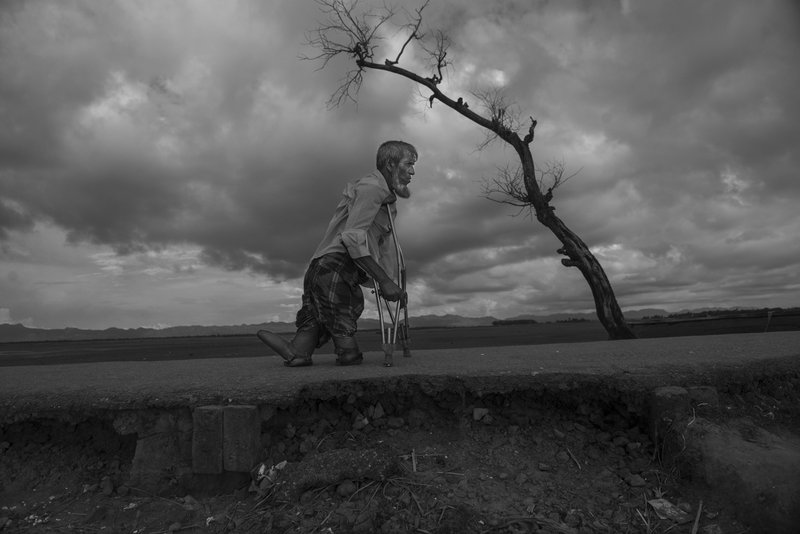
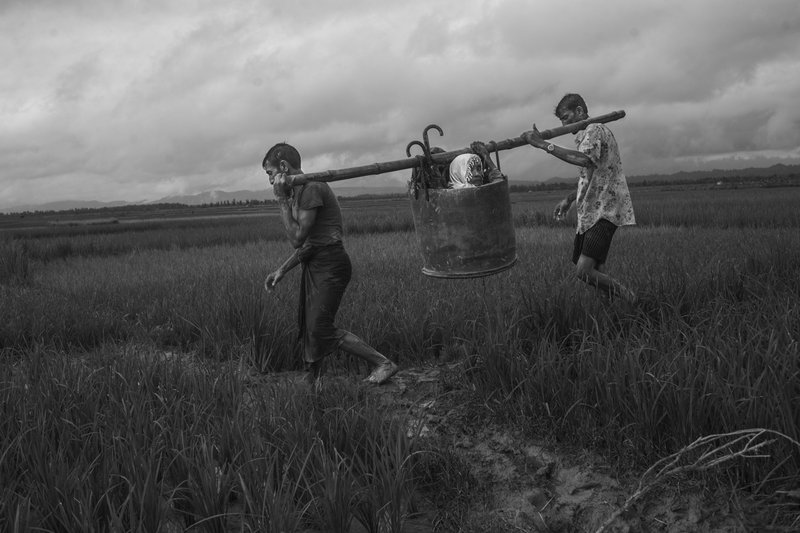
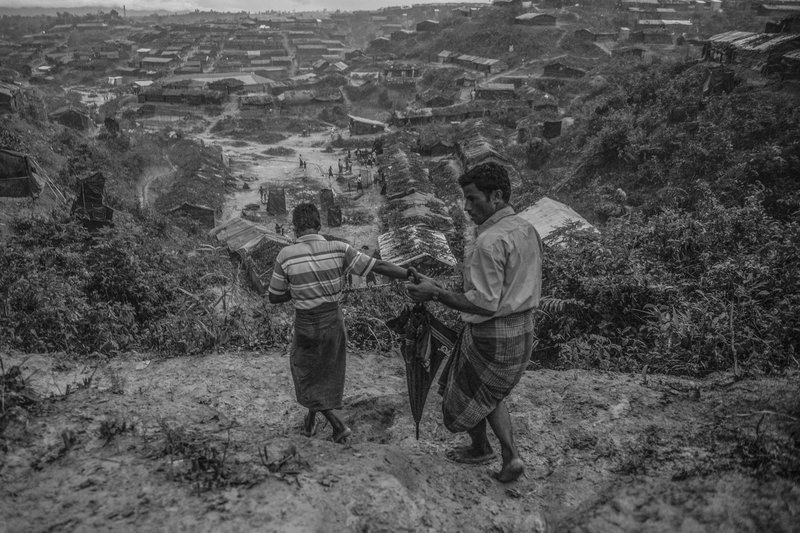
They walk on and on, endlessly. Trudging barefoot through the incessant rain and mud in Anjuman Para, entire families exhausted from days of walking to reach the Bangladesh-Myanmar border had yet more to go before they reached a place to shelter. An old man struggled through the slippery mud with the help of only a stick. An even older woman was carried in a litter like a baby by her two sons. Children holding their sandals and little bundles lag behind the rest of the family. Rendered stateless when they were denied citizenship in 1982, the Rohingya Muslims have been slowly stripped of their remaining rights in Rakhine state of Buddhist-majority Myanmar. They are not recognized as one of Myanmar’s 135 ethnic groups, and are widely perceived as illegal immigrants from Bangladesh. Their movement is heavily restricted, they have little access to medical services and their children cannot attend schools. More than 300,000 Rohingya refugees have fled earlier waves of violence over the past three decades, to neighbouring Bangladesh. Since August 2017, 700,000 more and counting refugees crossed the border following a military crackdown the UN has called a “textbook example of ethnic cleansing”. Rohingya homes were burned, their villages fired on by the army, unarmed civilians shot, and women raped. They fled for safety across the border under the cover of darkness. Fleeing by land and water, many perished in boat capsizes on their way to Shah Porir Dwip while others trekked the circuitous land route through difficult terrain for upto weeks on foot, including many unaccompanied children. When I reached the border areas at the peak of the influx in the fall of 2017, there was chaos. The Rohingya refugees massed at Shah Porir Dwip, where the boats from Myanmar are mostly women and children, and the elderly. Awaiting permission from Bangladeshi border patrol, the vulnerable new arrivals wait to be moved to the camps further inland. They have little food and water