

CPOY 76 International Picture Story Gold: I Am Tired of Being Denmark's Little Puppy
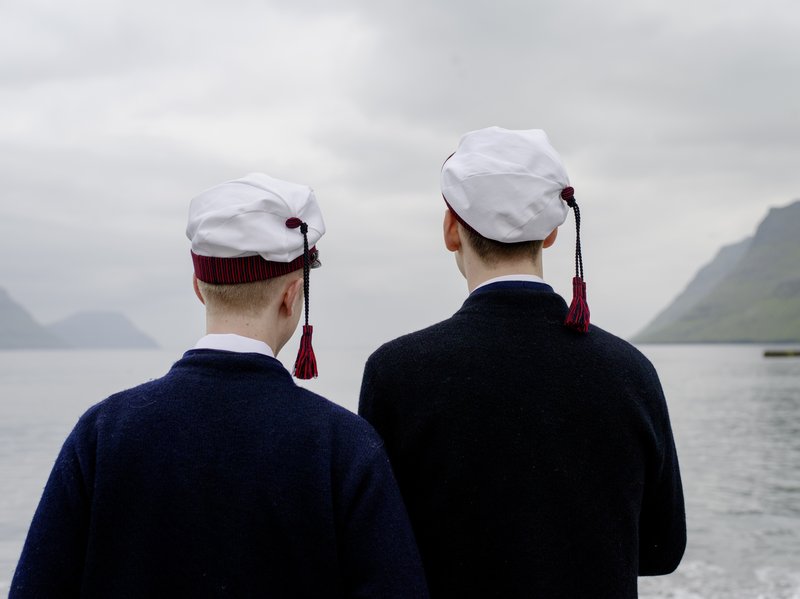
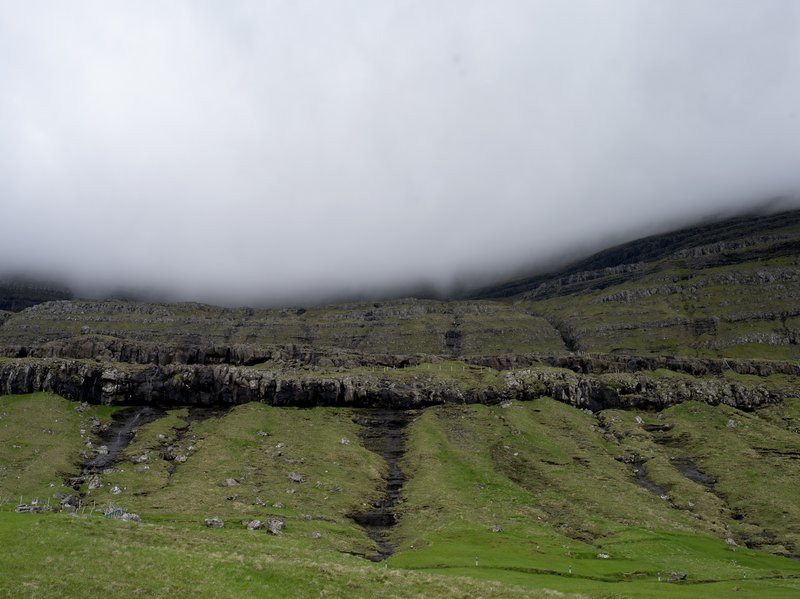
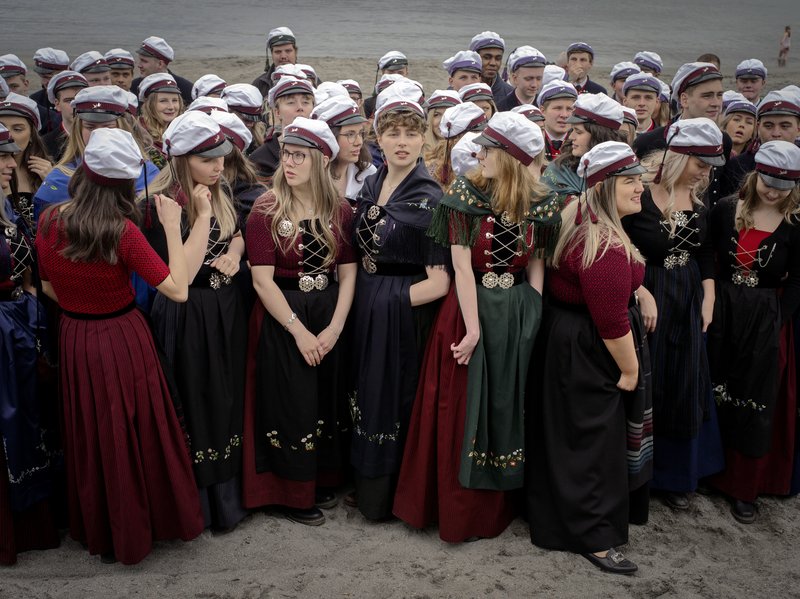
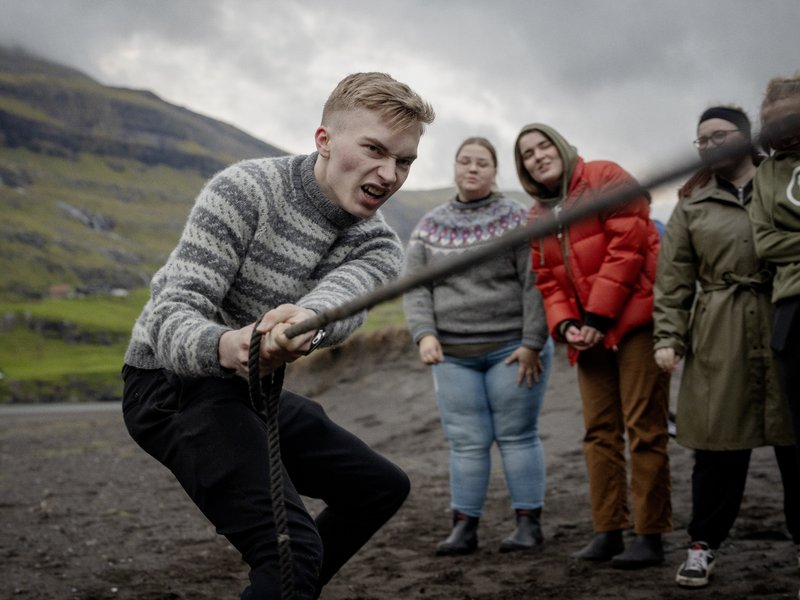
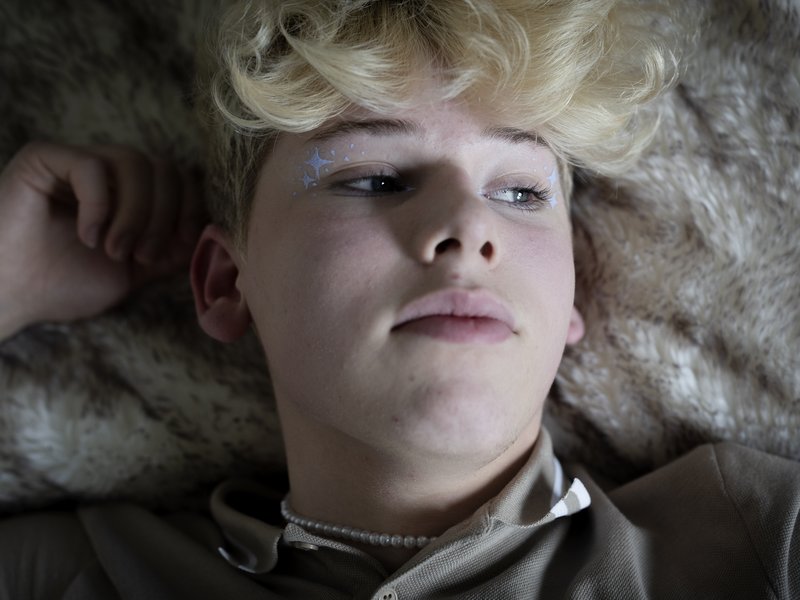
Over the past 100 years, the issue of The Faroe Islands’ independence from Denmark has rumbled back and forth but has been repeatedly ruled out. In the past decade, the autonomous territory of 18 islands with 50.000 inhabitants in the North Atlantic have been through an economic adventure. The country has grown into a nation where tourists flock to, with a growing population, historically high employment, extremely low unemployment and a booming economy. And it has once again set in motion the secessionist thoughts. But the question of the Faroe Islands' role in the Commonwealth divides the generations, and the young voices have taken part in the debate. Some want total secession, others love the kingdom - and some believe that one should not talk about independence at all until there are more rights for homosexuals, better welfare and more focus on the climate. And the young voices matter. For where the Faroese desire for secession has previously been judged out and until now has remained a dream scenario, the situation has now reversed. Now the islanders have money, lots of money - and even more than the Danes per capita. But how durable is the economy? Where does independence come from? And what does the future hold for the Commonwealth?
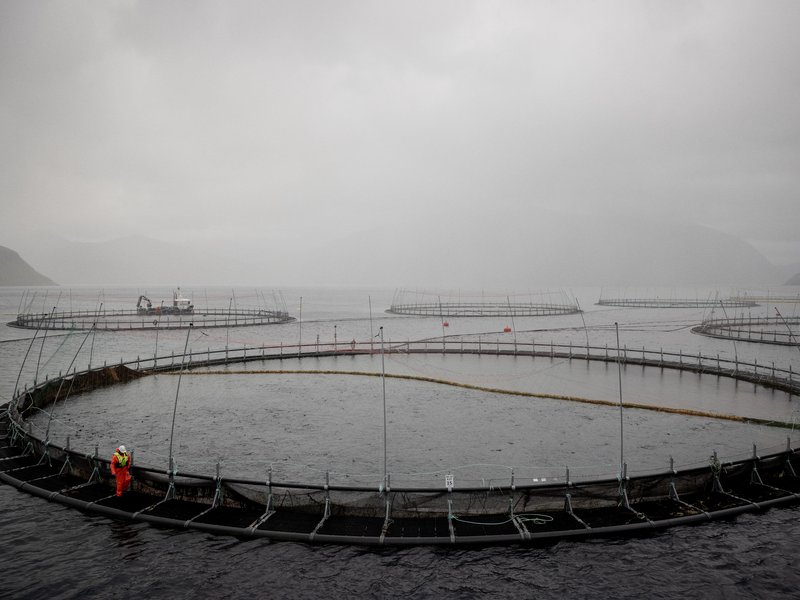
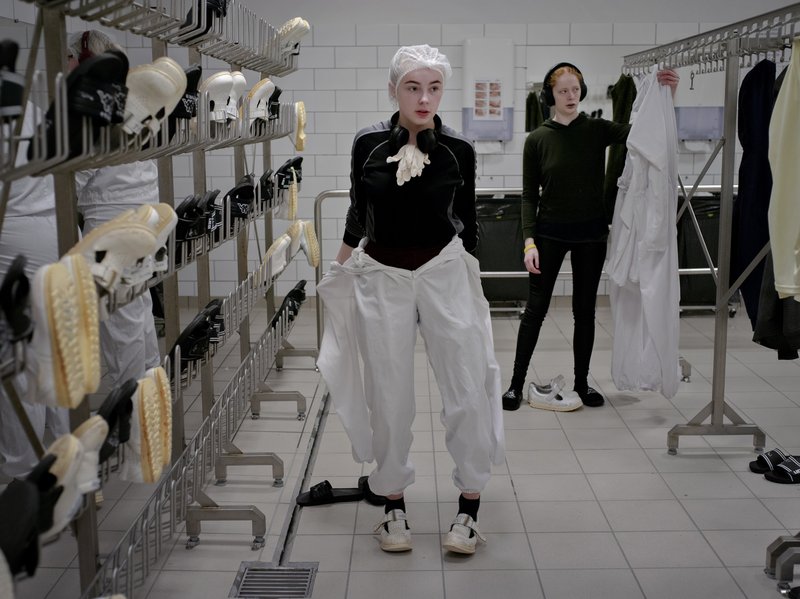
450 employees work at either a desk, assembly line or ship, On the factory, 18-year-old Ingunn Nord Olsen is one of the many young workers who take time at Bakkafrost to make money. She has been here for a year and four months but is soon ready to move on. Bakkafrost is currently worth 32 billion Danish kroner (5 trillion US dollars). If you ask the man behind the success, they are all part of the answer to why, after many years of fighting for independence, it has become realistic for the Faroe Islands to secede. “We can not take all the credit. But we clearly have a great shared responsibility ", says CEO Regin Jacobsen.