

Finalist: Social movements for 1.5
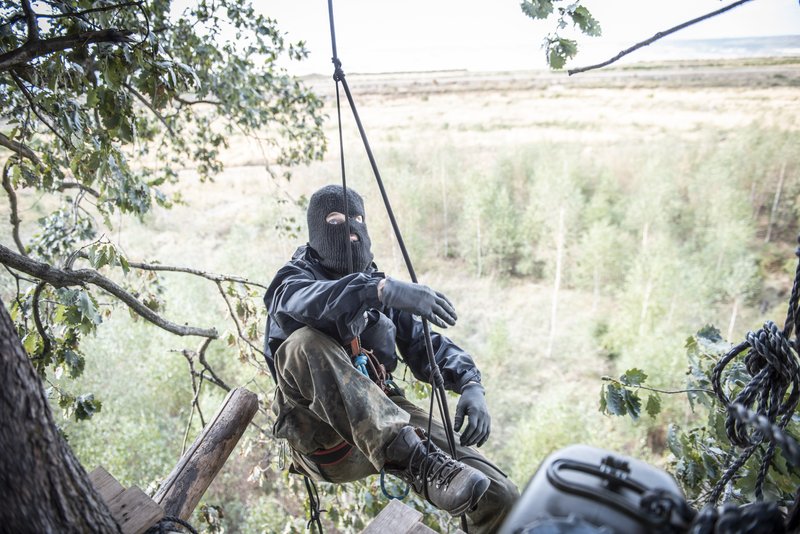
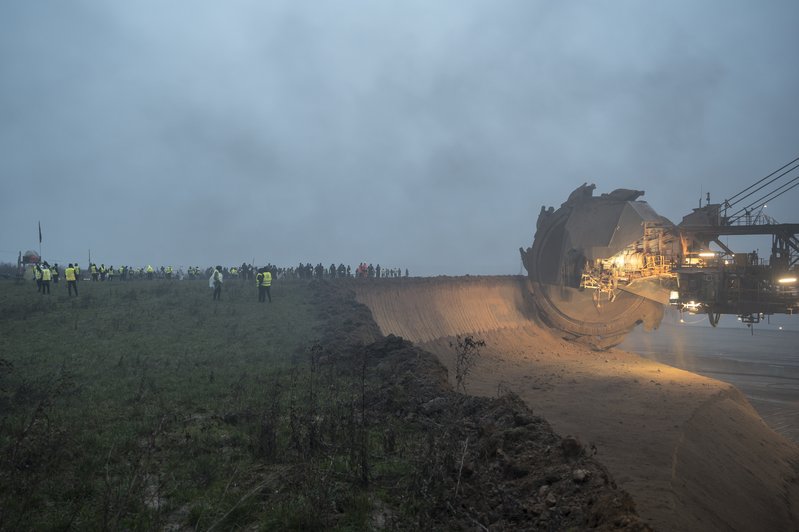
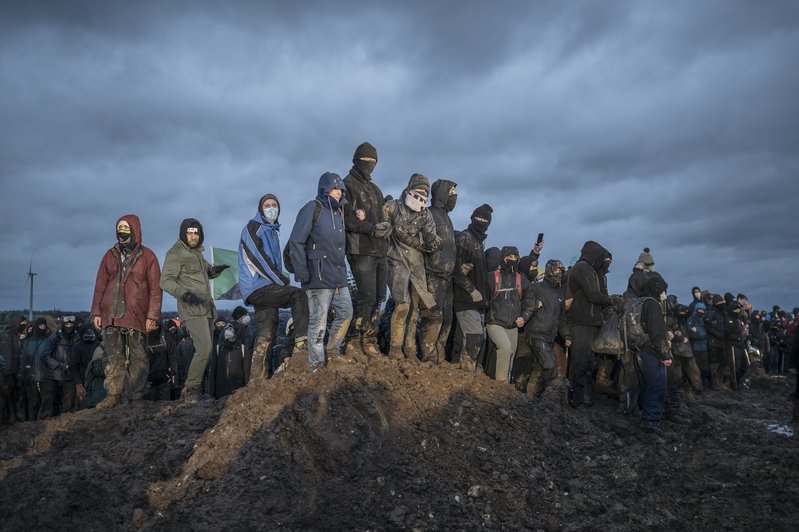
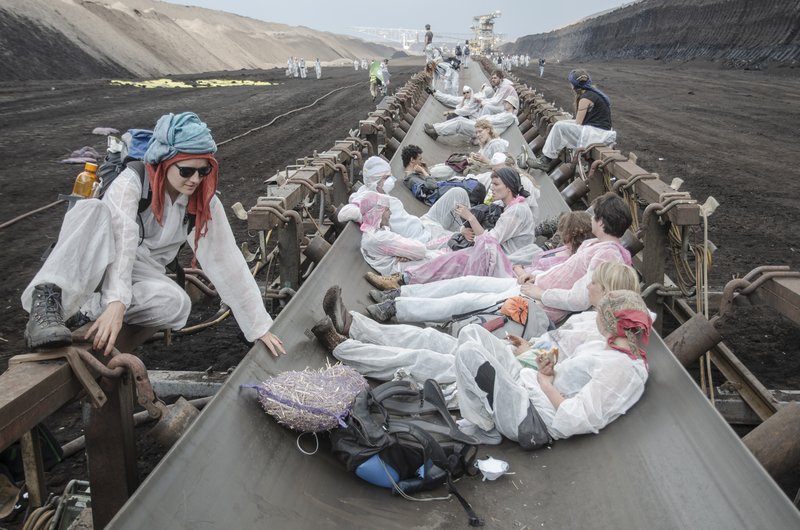
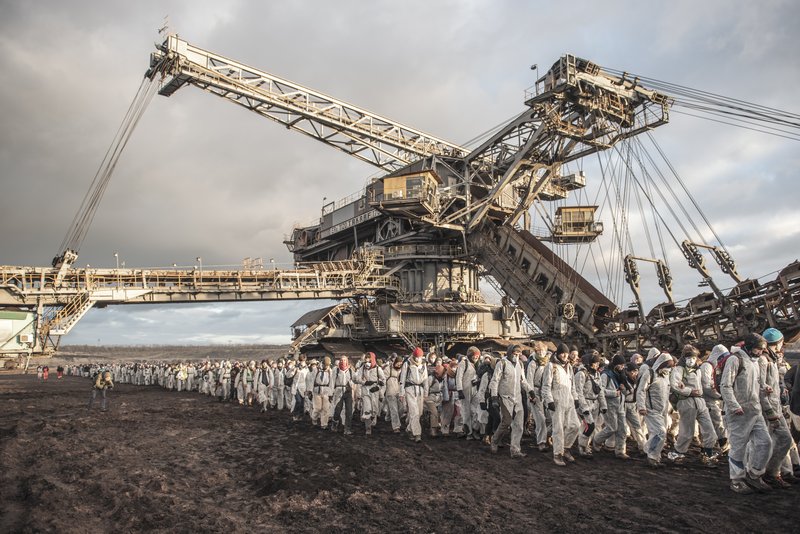
The photo series has accompanied environmental protests in Germany since 2015, with a focus on protests against lignite. In this context, the action form of forest occupation has gained great importance in Germany in recent years. Starting with occupations of open-cast lignite mines of the movement "Ende-Gelände", coal mining became a public issue. In this form of civil disobedience, activists shut down coal mines for several days. Starting from Hambacher Forst 2018, various forest occupations developed in Germany. First against the expansion of the Hambach coal mine. Then in 2020 in Dannenrod against the construction of a highway.
Currently in 2022 in Lützerath against the expansion of the Garzweiler open pit mine. This makes Lützerath the last place in Germany to be mined for lignite.
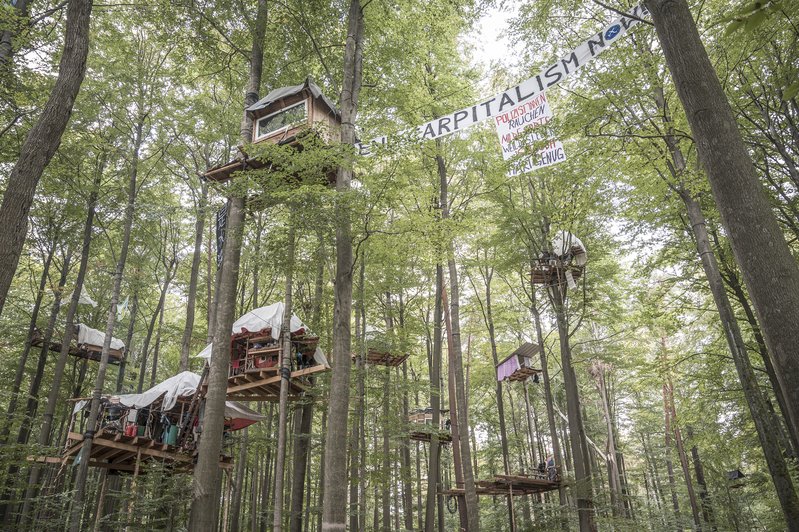
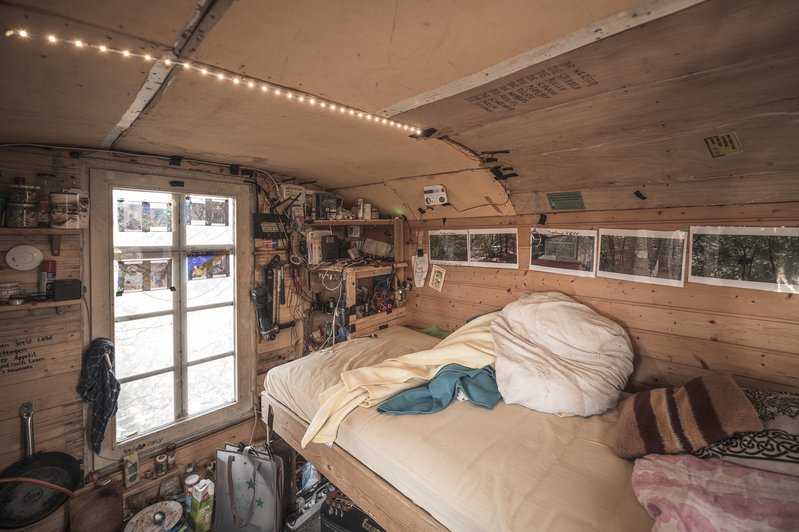
In all of these three occupations, Hambacher Forst, Dannenröder Wald, and Lützerath, activists have built large settlements of dozens of tree houses and built communities. Their goal is to prevent the clearing of the forest or the dismantling of the site. In this way, they make these places a symbol of resistance against the overexploitation of fossil resources and create the possibility to physically block this machinery in the places. Thus the occupations became centers of the radical environmental movement in Germany. So the activists are trying to keep the 1.5 degree limit of global warming.
Untitled
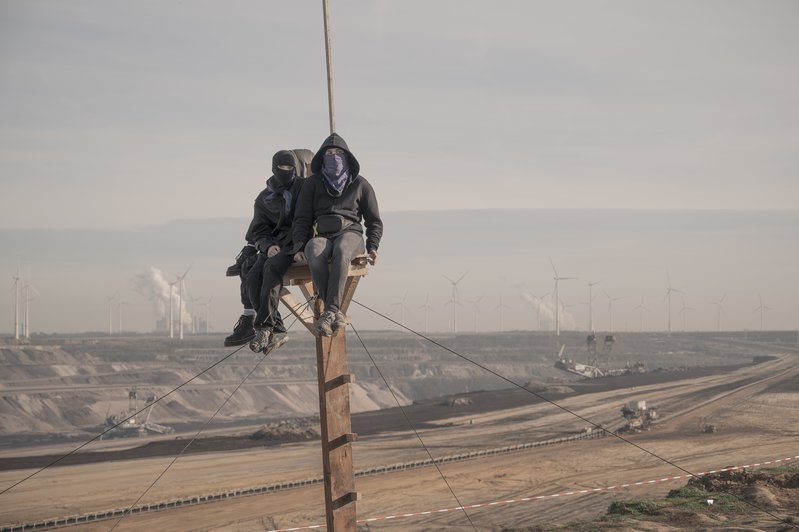
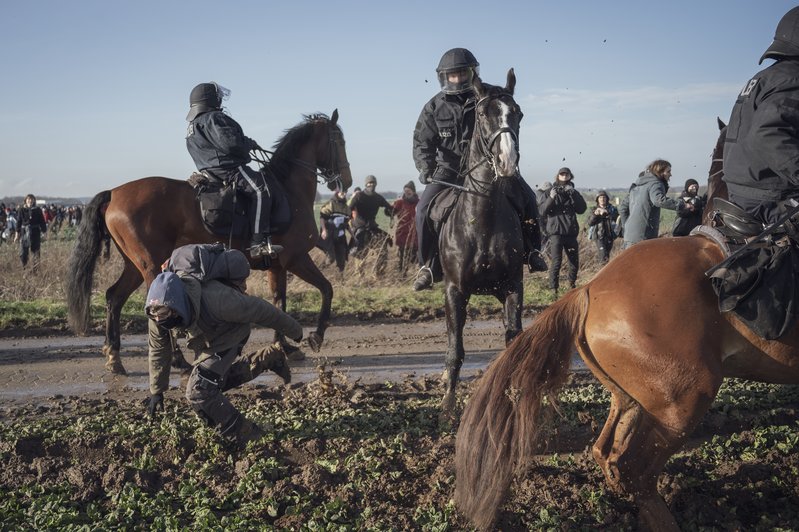
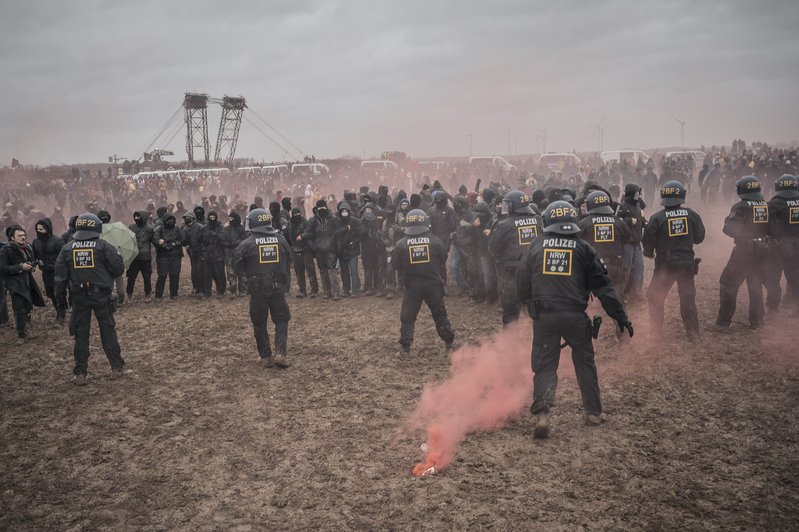
Two activists sit on a self-built lookout in front of the Garzweiler open pit mine. The construction is part of the occupation of the village of Lützerath, which is supposed to save the village from mining. Lützerath was a small village on the edge of the Garzweiler II open pit mine in the Rhineland (Germany) and was evicted by the police and completely demolished by RWE in January 2023. Prior to this, climate activists had occupied the village and built large tree house settlements on the farm of farmer Eckardt Heukamp. Eckardt, like many other people in the region, had previously fought legally for years against the expropriation. Groups such as "Kirche im Dorf lassen" and "Alle-Dörfer-Bleiben" had been campaigning for years against the expansion of the open pit mine and were very active in Lützerath. If coal is mined and burned under the village, Germany will probably not be able to meet its climate targets. Lützerath is the 1.5°C limit. Nevertheless, the federal government, NRW and RWE agreed in October 2022 that Lützerath would be the last village in the Rhineland to make way for lignite mining and that the Neurath coal-fired power plant would be operated for longer. With great effort, the village was demolished in January 2023 and the occupation ended. The eviction received worldwide attention and exposed Germany's half-hearted climate policy. 35,000 people came to a large demonstration to show their solidarity with the occupation.