

Award of Excellence: Carolina Cowboy
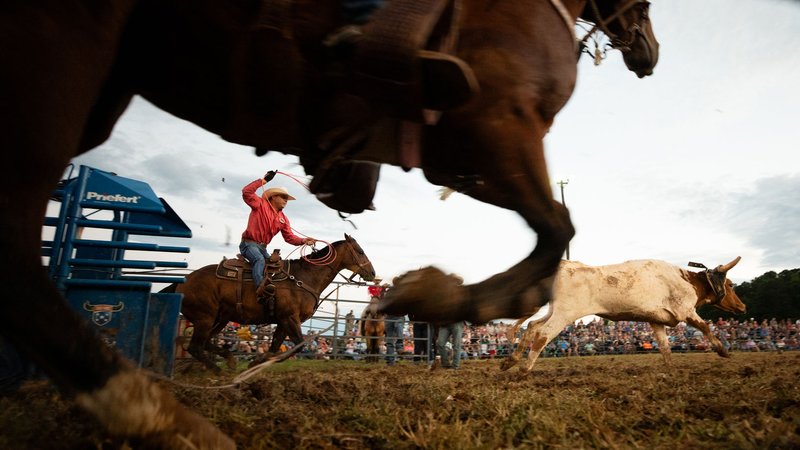
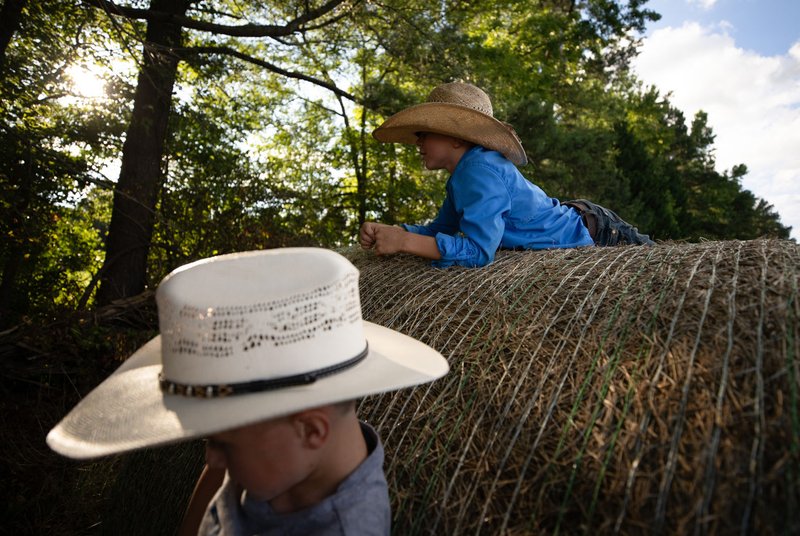
Television shows like “Yellowstone” have popularized rodeo as a symbol of the Wild West. However, the tradition has been an important part of the American South for decades — and its influence continues to grow.
Rodeo originated in Mexico, where charrerías turned roping and bull riding — originally practical pastimes for ranch life — into competitive sports. As American settlers moved into South Texas in the first half of the 19th century, the charrería tradition spread. By 1920, rodeo was rampant throughout the East coast, with Madison Square Garden hosting an annual 30-day event.
In 1954, The Southern Rodeo Association (SRA) was founded with the mission to “preserve the cowboy heritage.” SRA is now the oldest rodeo association east of the Mississippi River, and regularly hosts events throughout North Carolina.
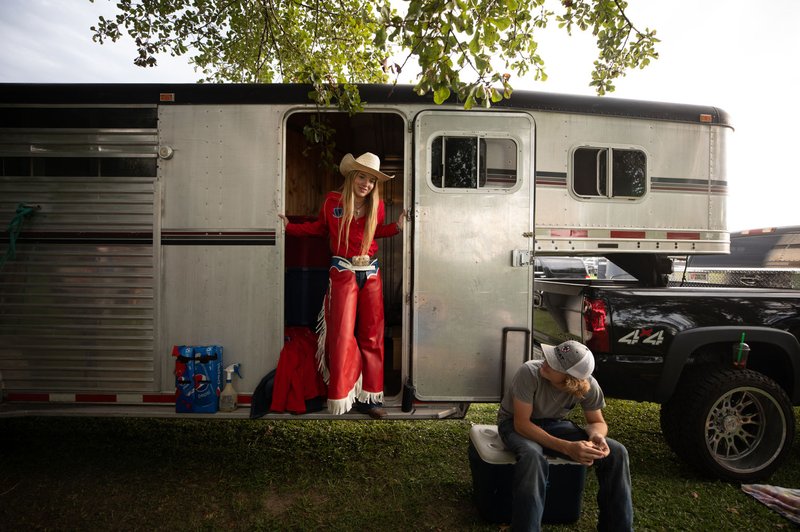
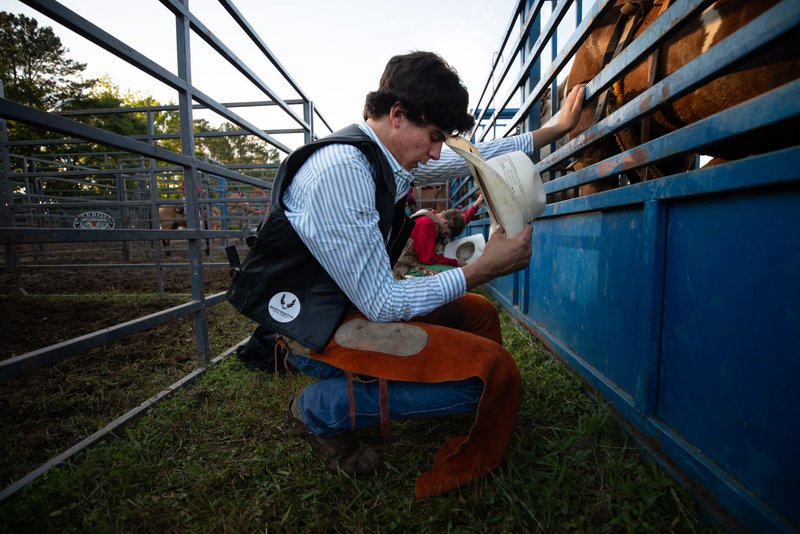
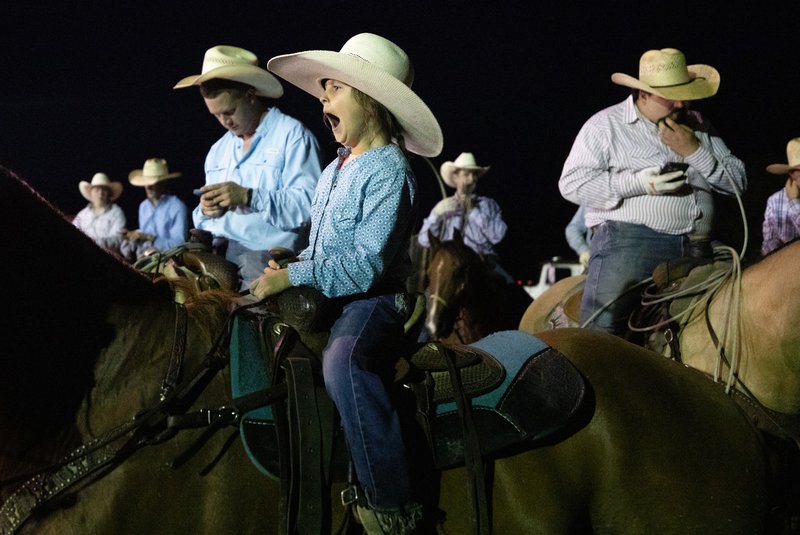
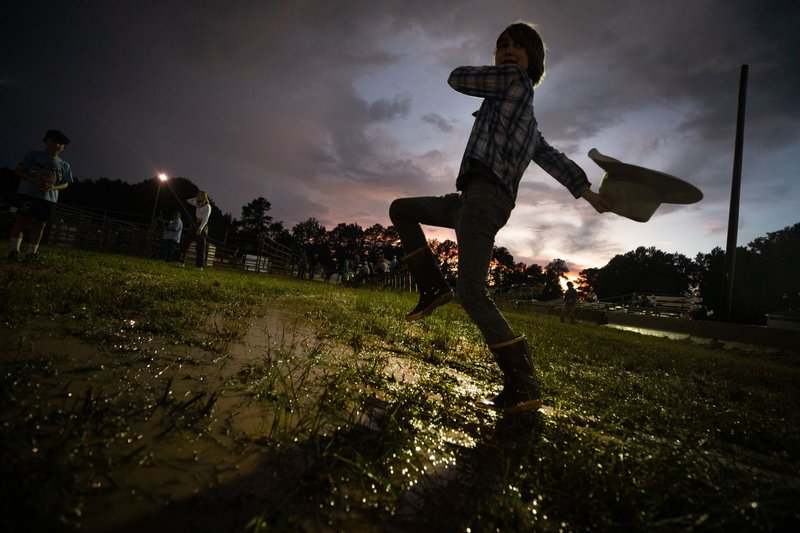
As rural life begins to be threatened by suburban sprawl, rodeo serves as an anchor for small North Carolina communities.
Untitled
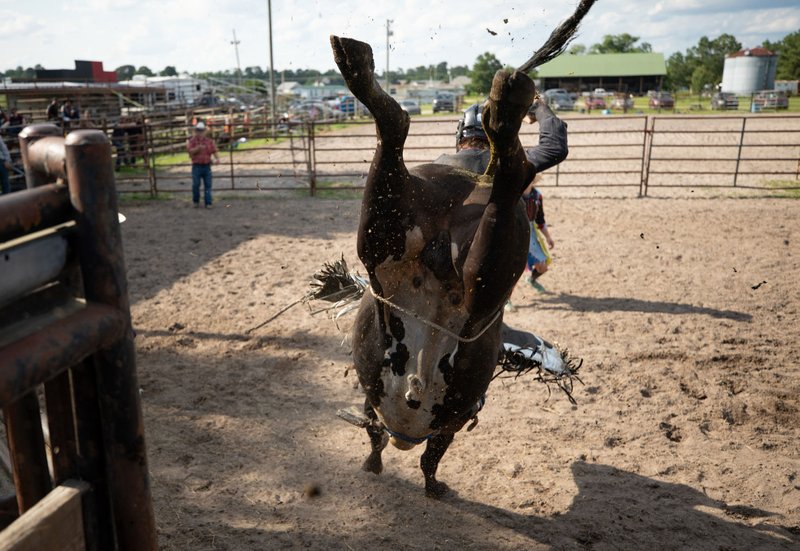
Dakota Jenson clings to a bucking bull during the Sunday night bull riding jackpot series at Shady Acres in Hope Mills, N.C. on July 16, 2023. A padded rope known as a flank strap is tied tightly around the bull’s midsection to stimulate the use of its hind legs in bucking.