

Finalist: Standby mode
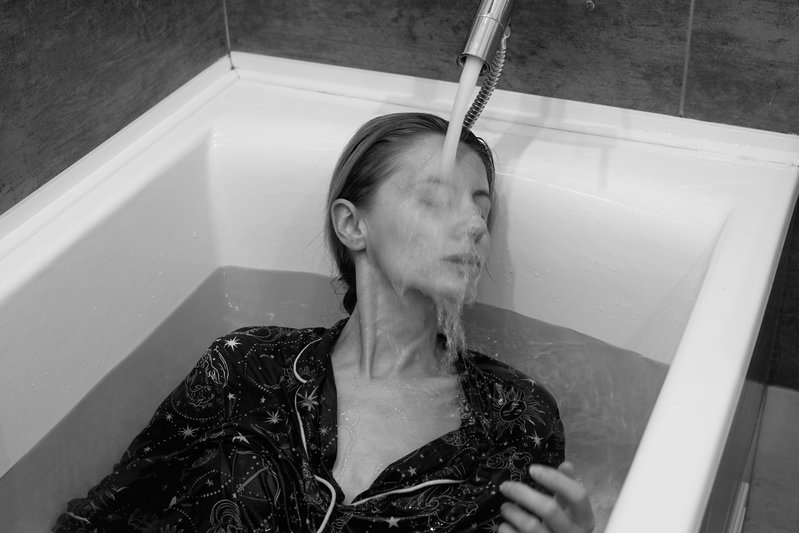
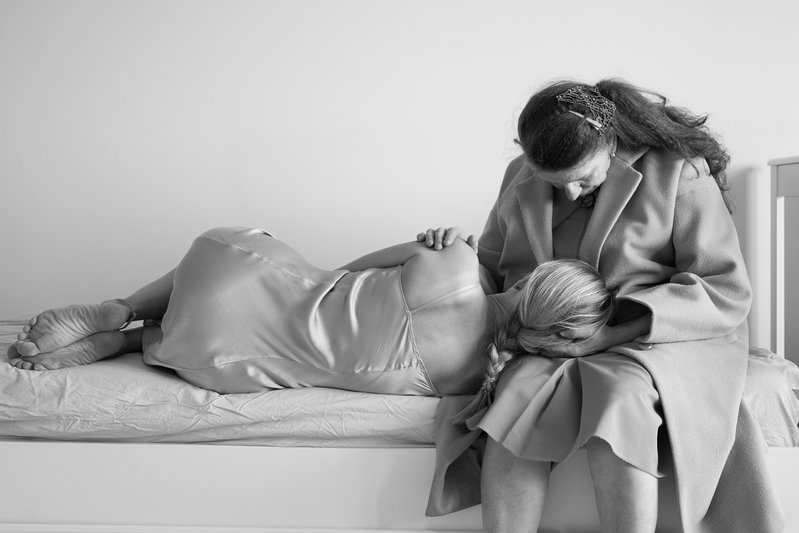
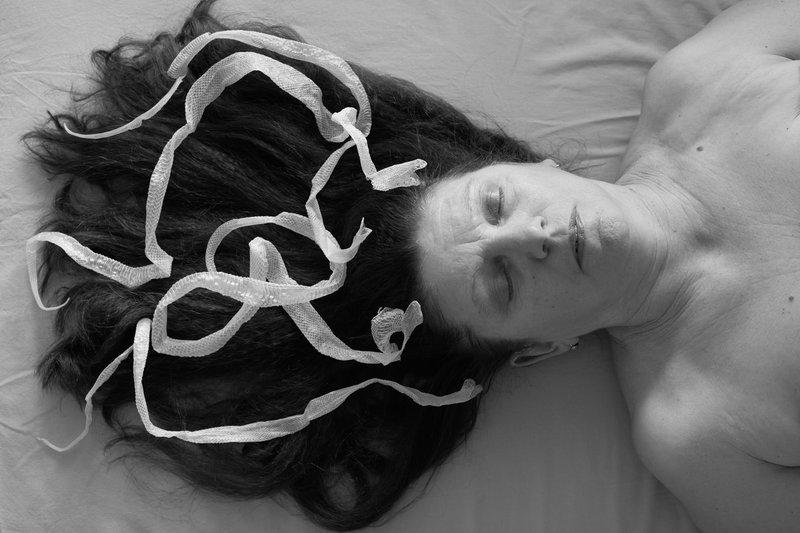
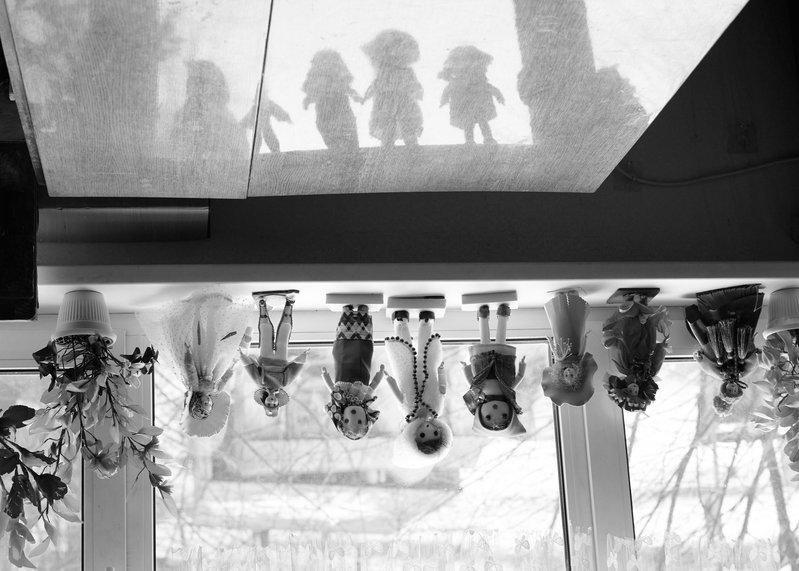
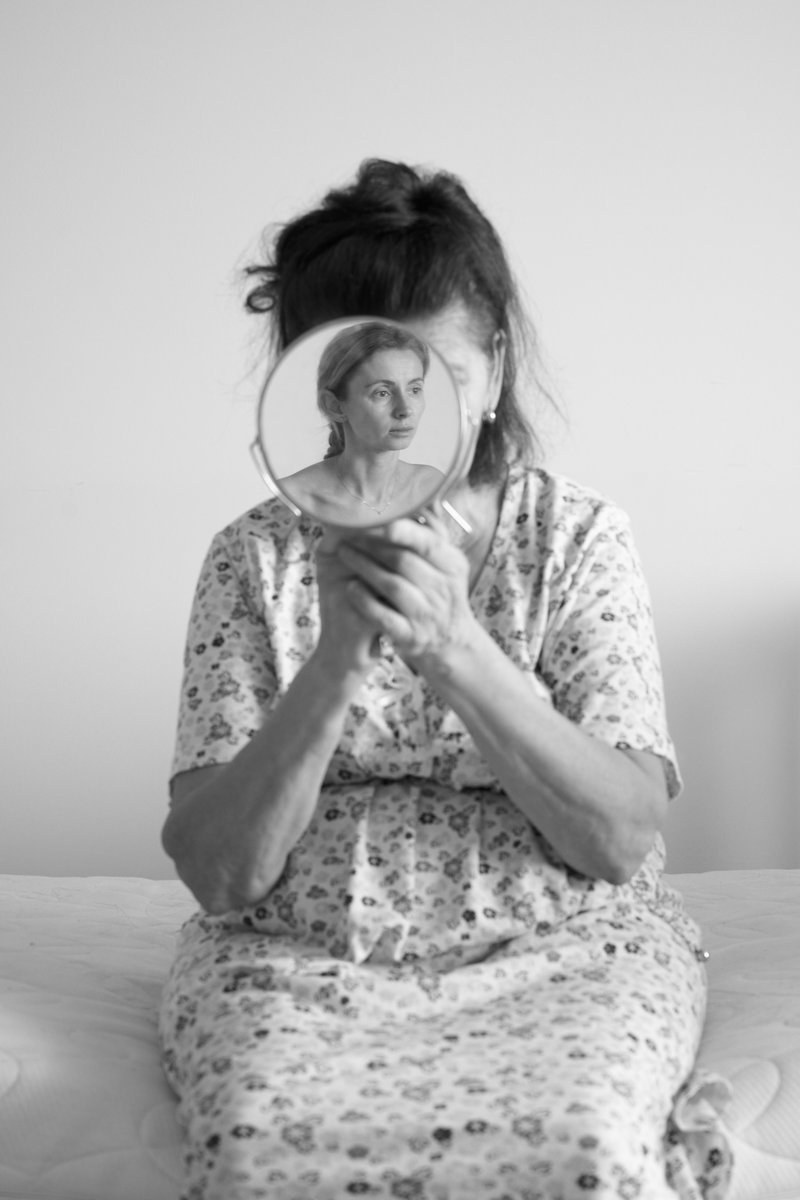
This project is my inside view, an attempt to convey how uncertainty and fear become part of my reality. This is a study of the physical and mental state, where every new day I live in a standby mode.
In a few years, I'll be the same age as Mom was when she first heard the diagnosis: Parkinson's disease. No one can tell if it has been passed on to me or my children. We can only wait.
Parkinson's is a neurodegenerative hereditary disease that leads to a progressive loss of function of nerve cells in the substantia nigra of the brain responsible for movement. Tremor, rigidity, slowness, and imbalance are clinical manifestations that become an integral part of life. The causes of the disease are unknown. The result is immobilization.
In the project, the metaphor becomes a tool for understanding confusion and fear. I use repetition as a visual device, emphasizing the cyclical nature of these states, their constant return and the inability to overcome. Photography becomes a space where inner experiences take shape and become accessible to awareness.
When working with family photos, I deconstruct them by changing one layer after another. The faces of relatives lose clarity, gestures lose certainty.
The resulting images are an interpretation of visual distortion, a trembling, disintegrating reality. People and objects are outside the "real world", becoming its painful reflection. Photography loses its documentary character, turning into a fragile film of memory. I'm trying to figure out: will I feel the boundary between "before" and "after"?
Modern society is not ready to accept Parkinson's disease, shutting it out as something shameful or wrong. In an environment where the norms of productivity, control, and a "healthy body" dominate the public imagination, any deviation from them is perceived as a failure—something that needs to be hidden, isolated, or corrected. A person with a diagnosis loses social visibility, his role in society is gradually zeroing out.
Illness, as a hidden but formative element of life, becomes not only a medical diagnosis, but also a metaphor for an existence that is anxious, unstable, and collapsing.
My project aims to change the perception of Parkinson's disease, to bring it out of the zone of silence and bias, to make it part of an open dialogue about human vulnerability, social adaptation and the ability of society to recognize and support people with a variety of physical and psychological experiences.
Without a Face
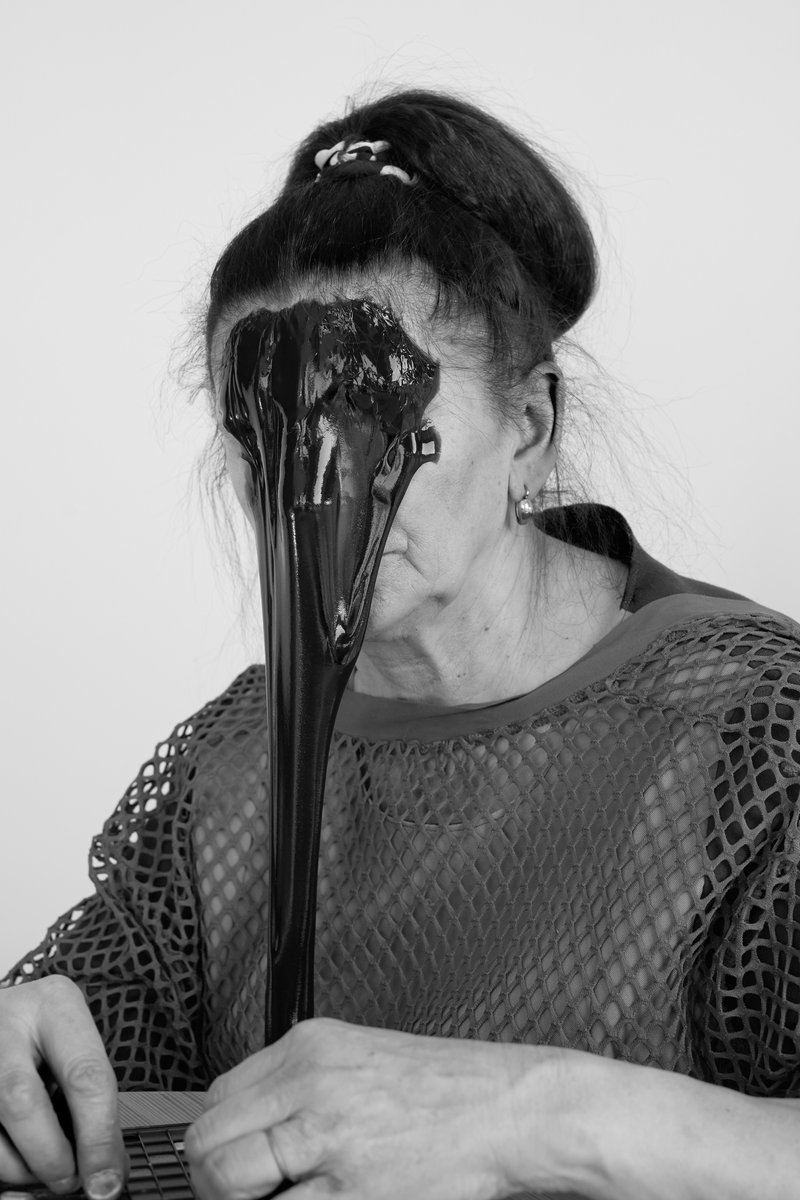
Mother sits at the table, her face covered by a thick, viscous substance dripping downward. The material distorts her features, turning them into a blurred silhouette. The black mass becomes a metaphor for the disease that gradually erases identity, destroys the familiar appearance, and deprives a person of social visibility. The face dissolves, loses its clarity — just as the illness blurs the boundary between “before” and “after.” This image speaks of loss of control, fragile presence, and the anxiety of waiting. In a few years, I will be the same age my mother was when she first heard the diagnosis: Parkinson’s disease. No one can say whether the illness will be passed on to me or to my children. All we can do is wait. And I wonder: will the moment come when my own face begins to disappear, losing its clear contours?