

Award of Excellence: Before the River Melts
In a remote corner of the Arctic near the Russian border, three young men find clarity through hard work, wilderness, and sub-zero solitude far from modern distractions. Here they begin to understand who they are and who they might become. About an hour and a half outside the town of Kirkenes, in
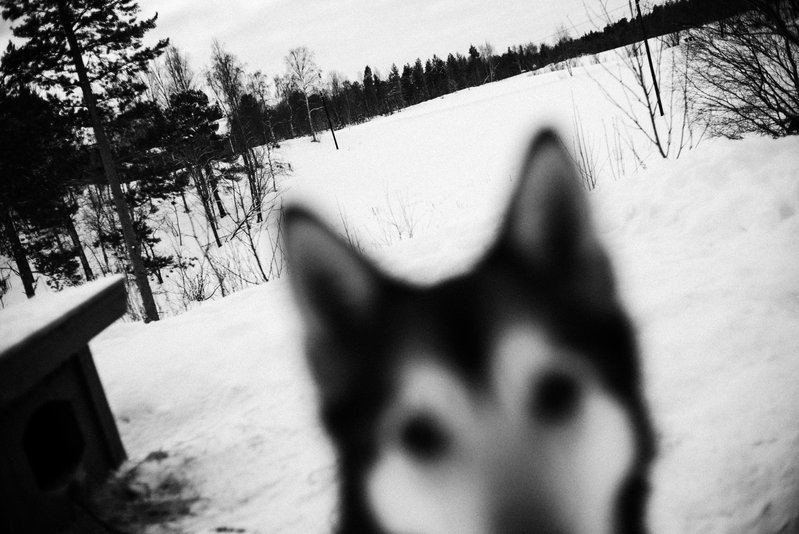
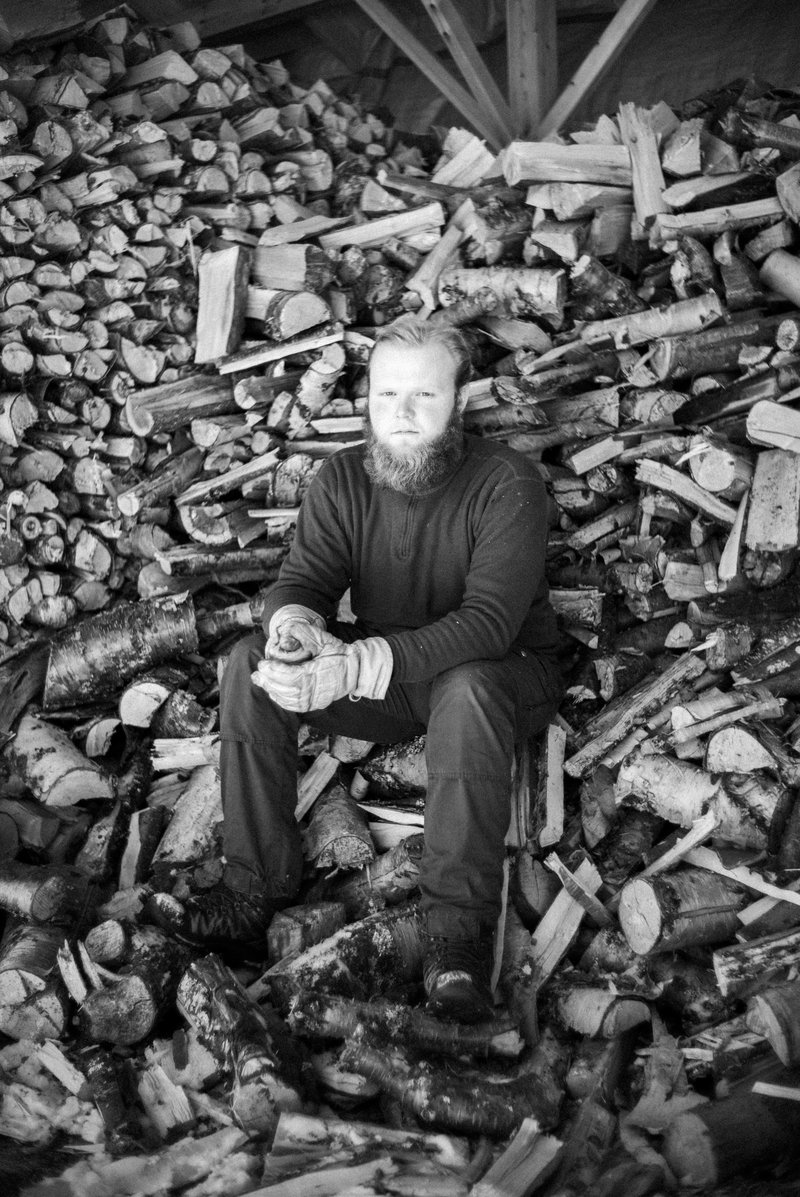
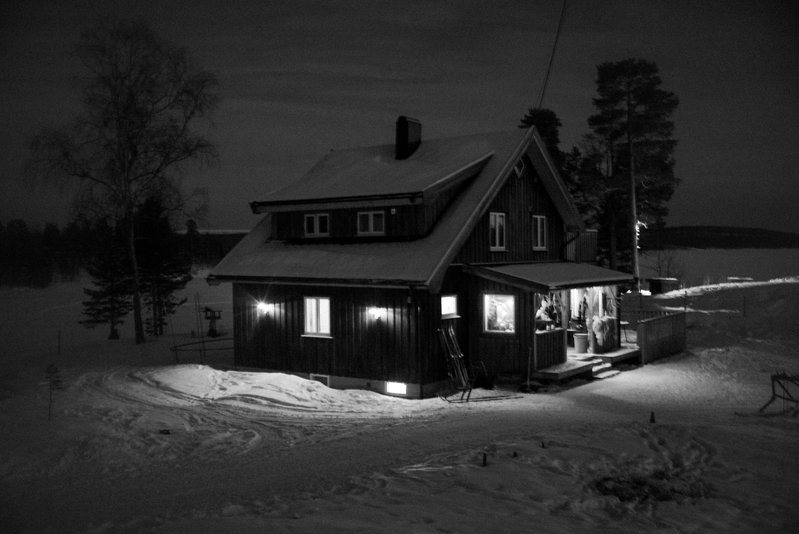
the far north of Norway, lies the farm Leite. There, Tobias Daugaard-Petersen lives with his wife, their two children, and their sled dogs. Alongside them live three young men from Denmark.
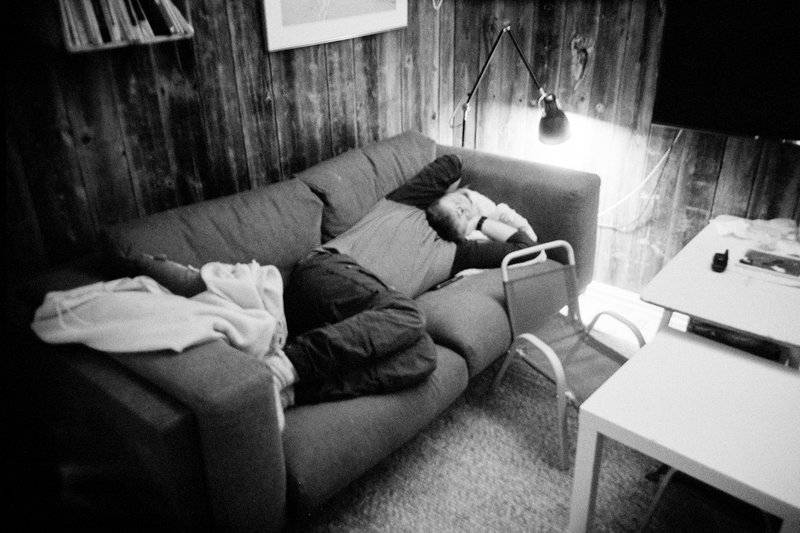
The three boys work for Tobias in exchange for room, board and teaching. Tobias finances the farm himself. He works as a veterinarian in the surrounding area, and while he’s away, the boys carry out the farm tasks on their own most of the time. Tobias takes the boys in because he needs the extra help, but also because he wants to offer them an opportunity, he himself longed for when he was their age. They gain access to a culture they wouldn’t otherwise experience at home.
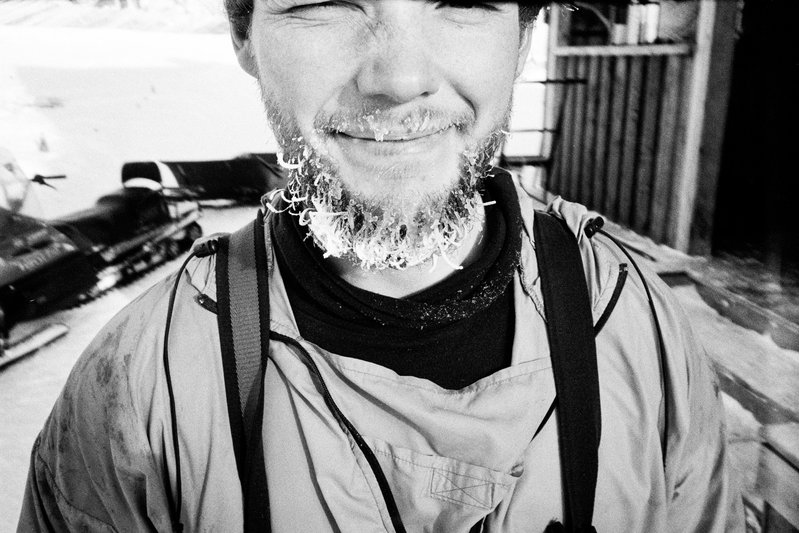
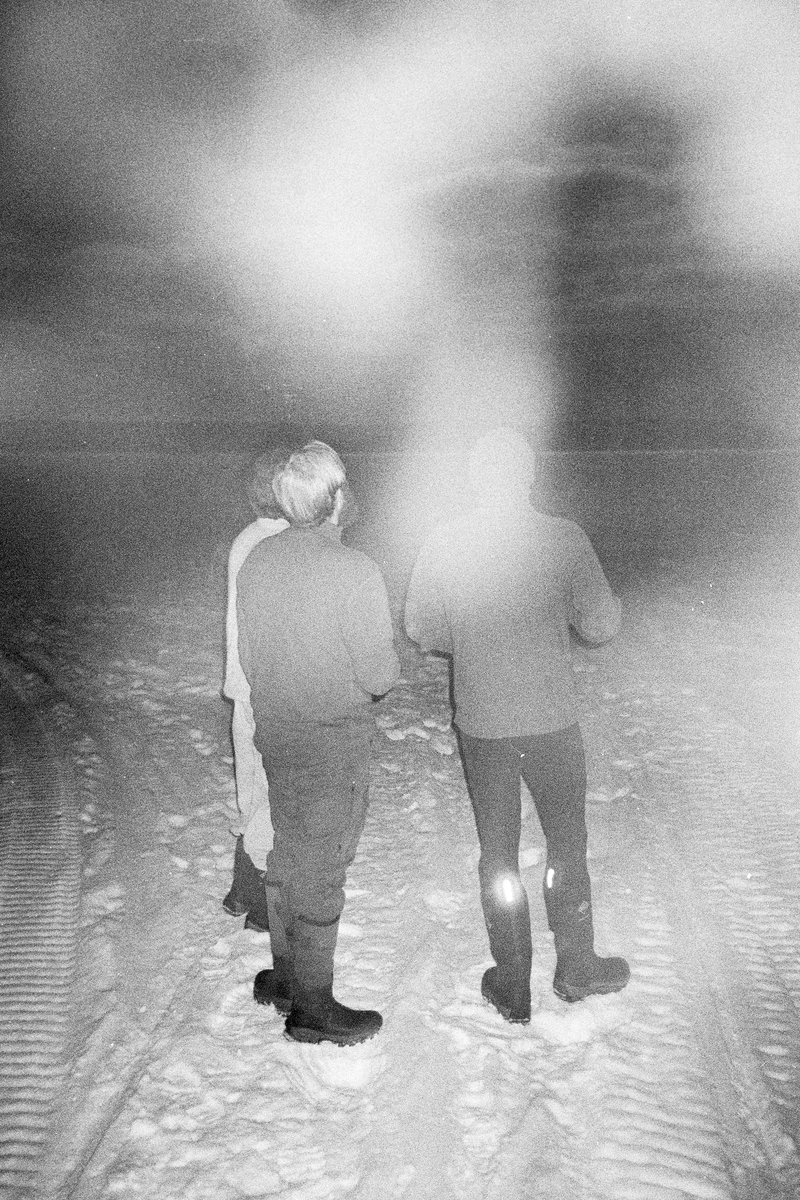
The boys carry responsibility — not just for their own actions, but for actions that directly affect others too. When they’re not working, they go on survival trips, learning to survive completely alone in temperatures as low as minus 40 degrees celcius without any help. Many of the trips and skills they learn from Tobias are what make them want to stay. For many, it makes their future lives easier and this is rarely their last Arctic adventure. They often continue on toward the Sirius Patrol or venture deeper into the white wilderness after their stay.
Untitled
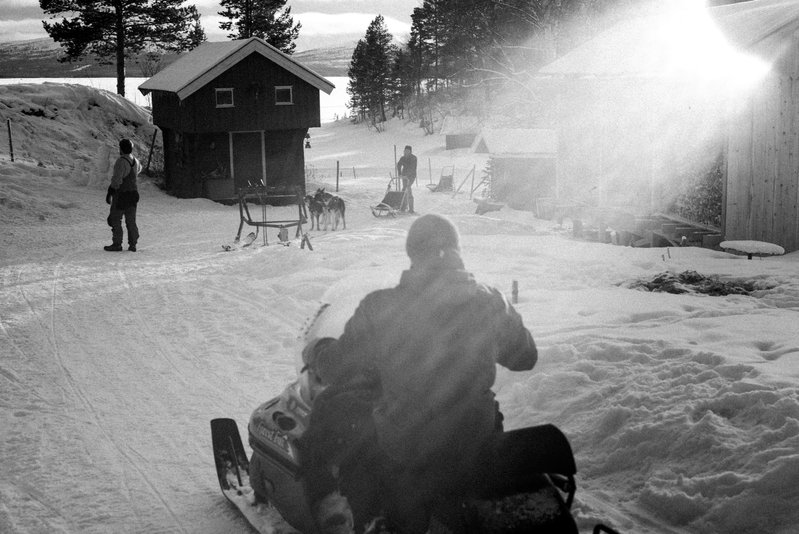
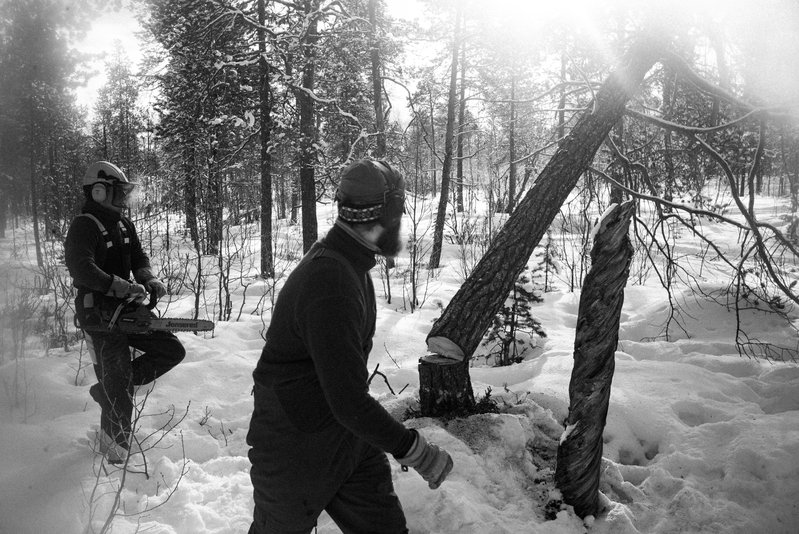
Exercising the sled dogs is just one of the many tasks the boys handle on the farm. A regular workday at the Leite farm is filled with jobs like felling trees, building cabins, and hunting. Despite the cold, the hard work, and isolation from the outside world, they’re still there up to a year and a half after they first stepped through the door of the old Norwegian cabin, far from everything.
Loui Pedersen