

Finalist: Ideological Landscape
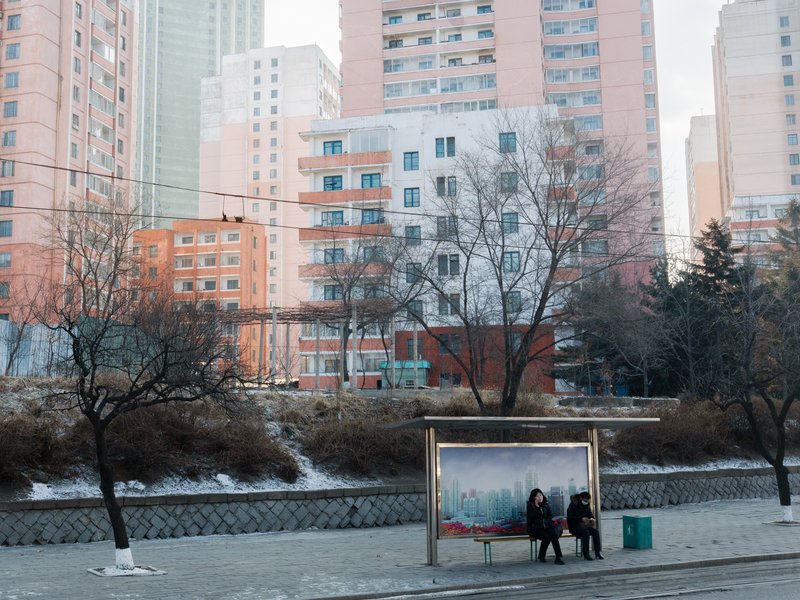
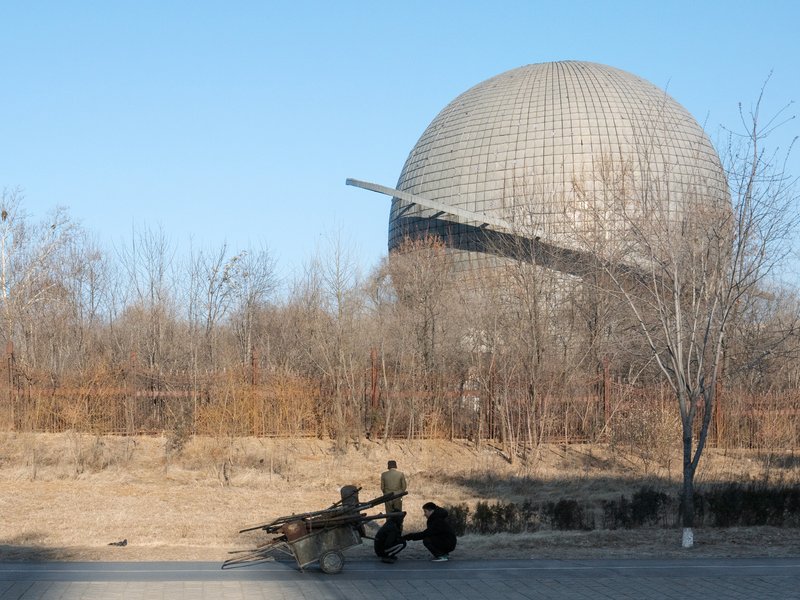
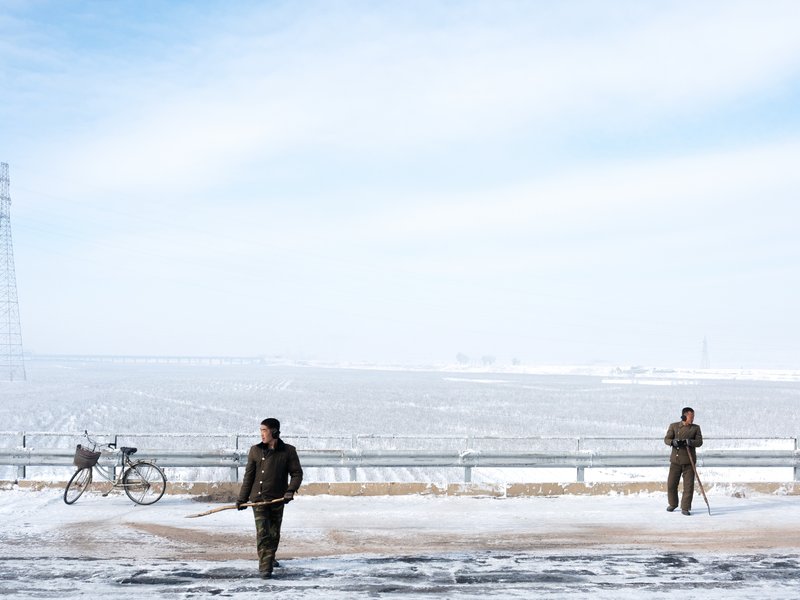
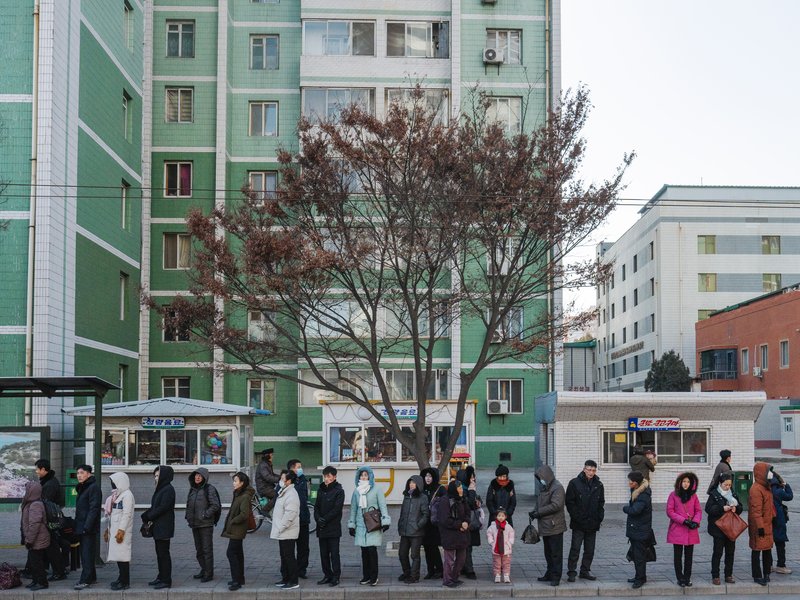
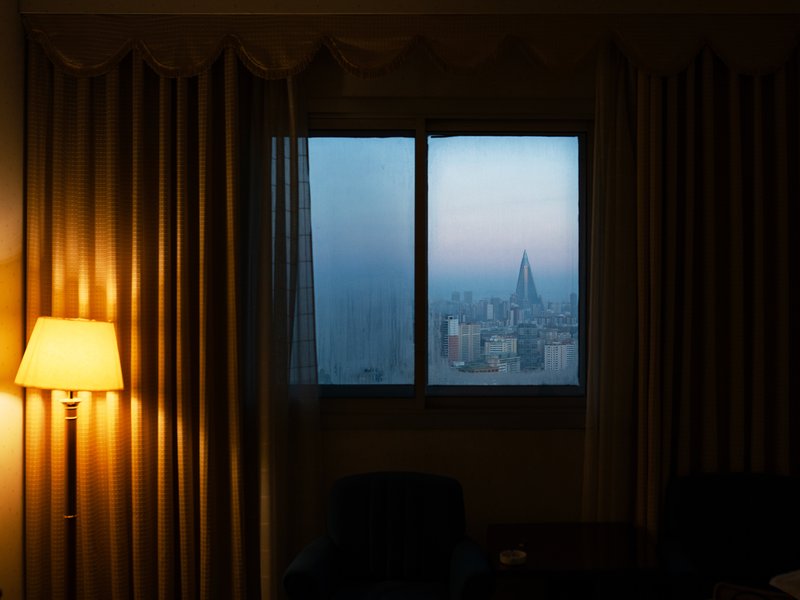
Man is the master of his destiny — this is the foundation of the Juche ideology, the state philosophy of the DPRK. At the same time, the word «man» refers to the entire people, united around the Party and its leader. The key idea of the ideology is that the people shape the environment, not the environment the people. Once in the DPRK, one can see a different influence of space on man.
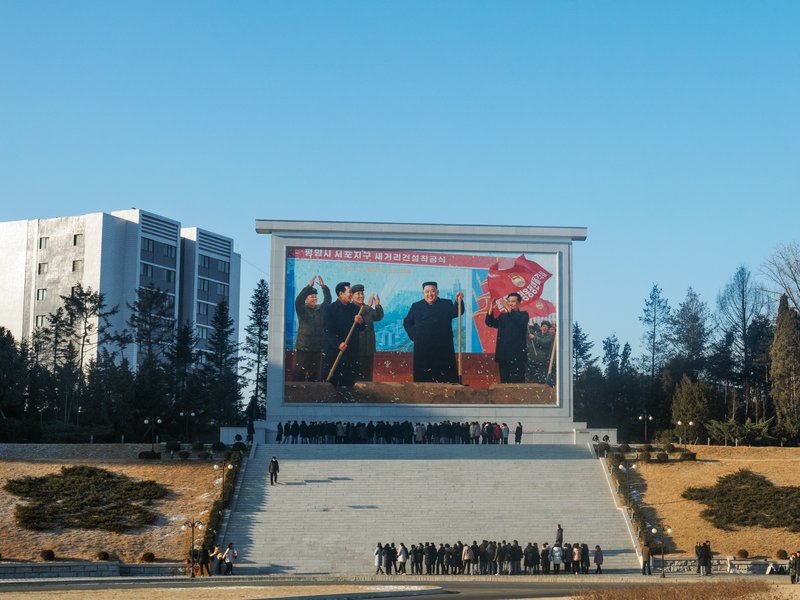
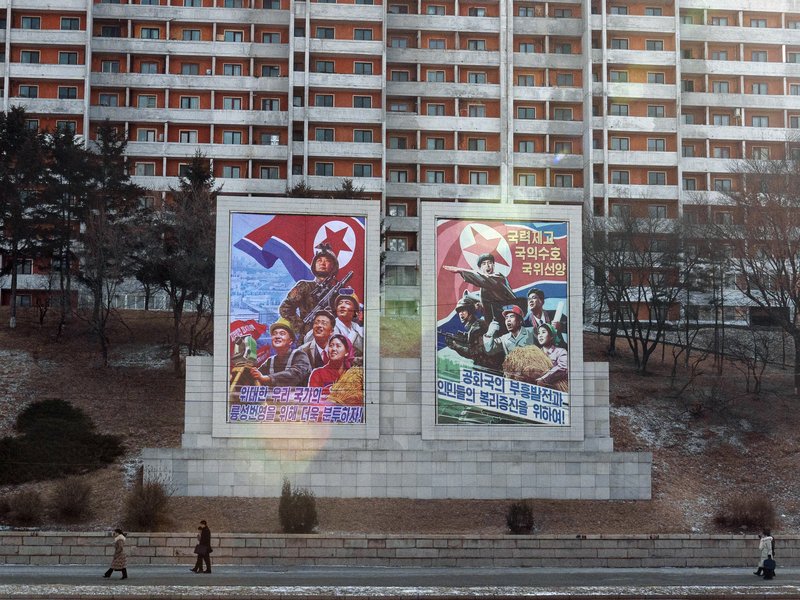
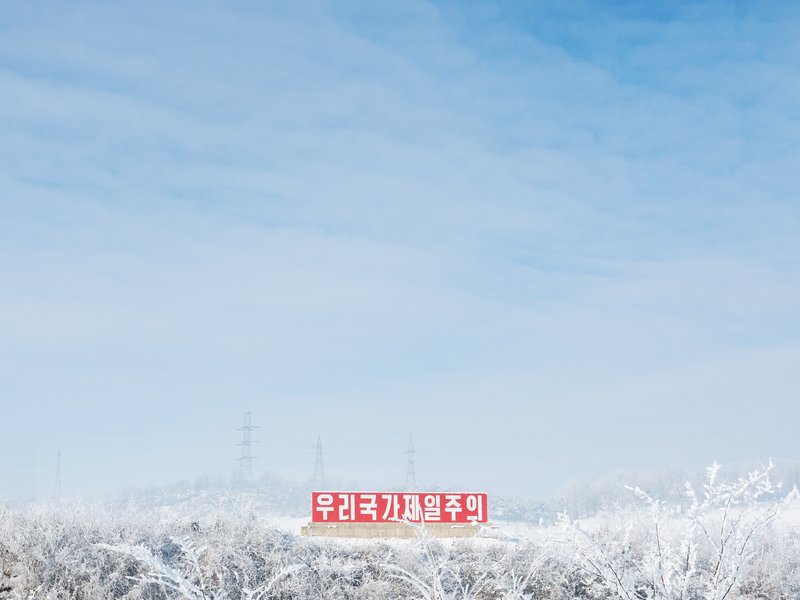
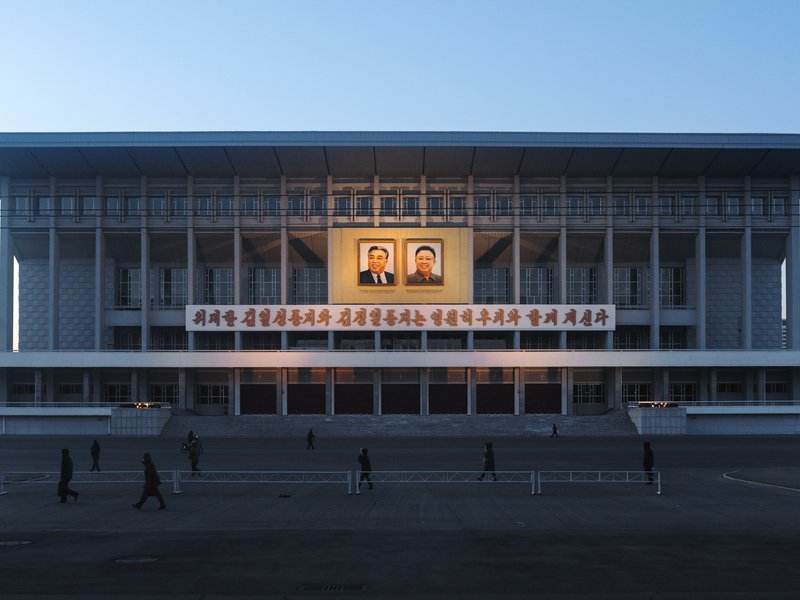
Advertising is an invisible and familiar part of the environment that influences people. In capitalist countries it shapes needs, while in the DPRK it shapes beliefs. Here, propaganda slogans, appeals, and portraits of leaders have replaced advertising. Instead of «buy» — «join.» Not «pay,» but «support.» These messages are encountered everywhere: on building facades, in the metro, and in other public places. They are not intrusive, but constant, and become part of the familiar background.
Space, through architecture, images, and posters, turns into an instrument of ideological education, creating a closed circle. It shapes the consciousness of society, and society in return shapes space. In the Juche ideology, in addition to the people and the environment, there is a third element — the leader, who gives direction. The circle closes here, forming a cult of personality necessary to maintain this concise system.
Untitled
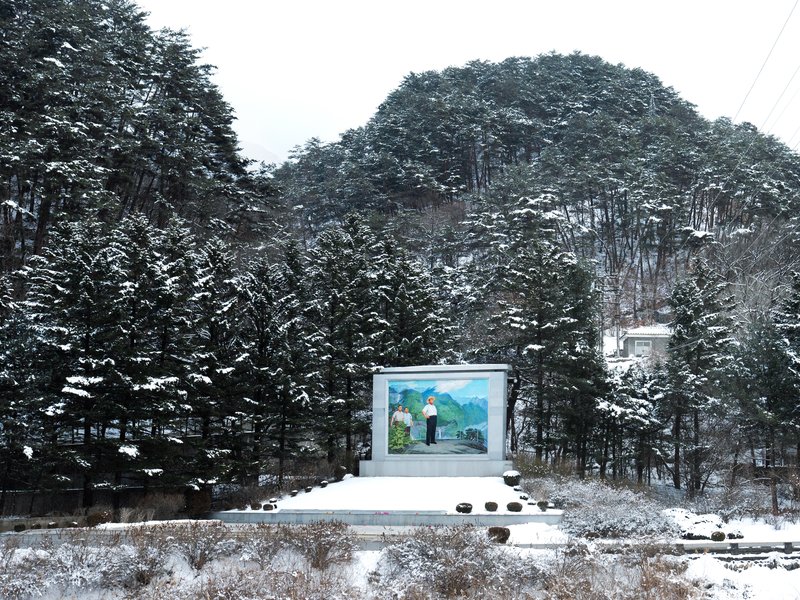
A mural depicting Kim Il Sung on Mount Myohyangsan. At the foot of the image, flowers have been laid. Such banners are illuminated at night. Images of the country’s leaders are characterized by idealization and heroization, executed in a simple and accessible style for the masses.