

CPOY 73 International Picture Story Award of Excellence: Sea Watch
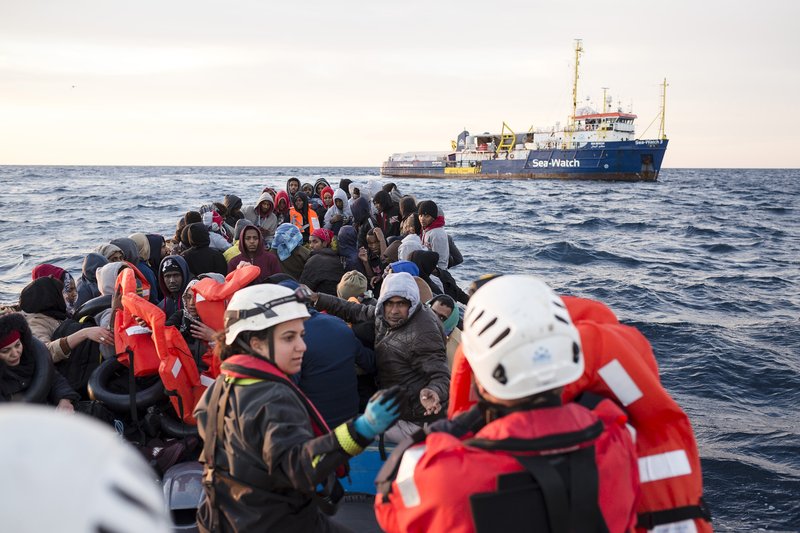
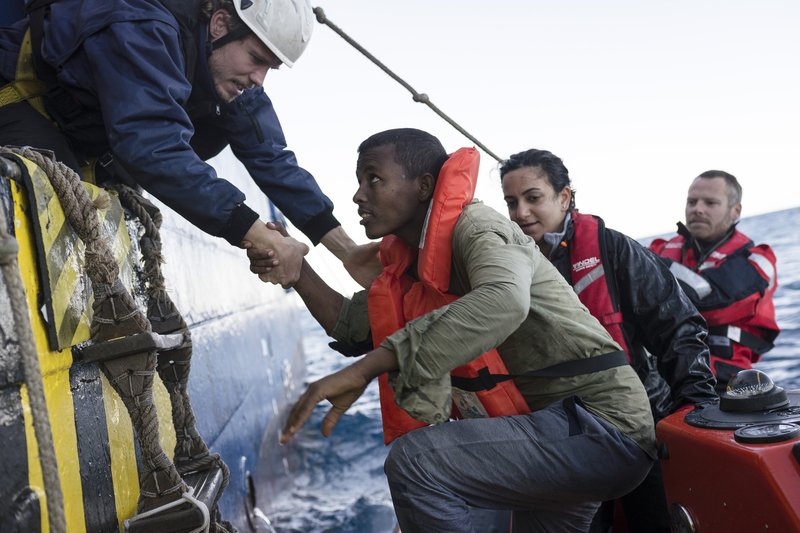
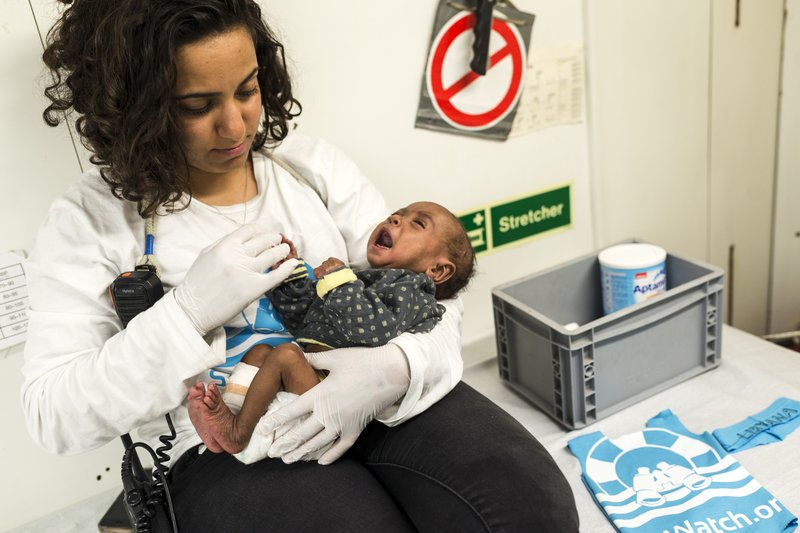
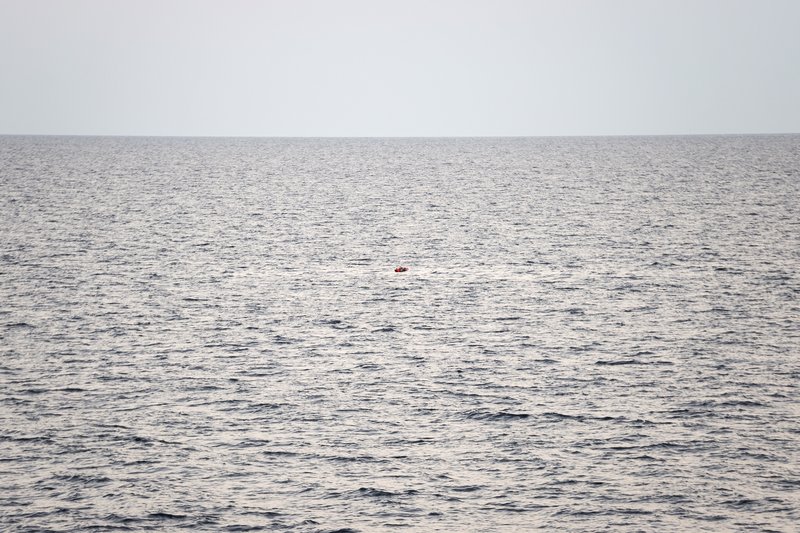
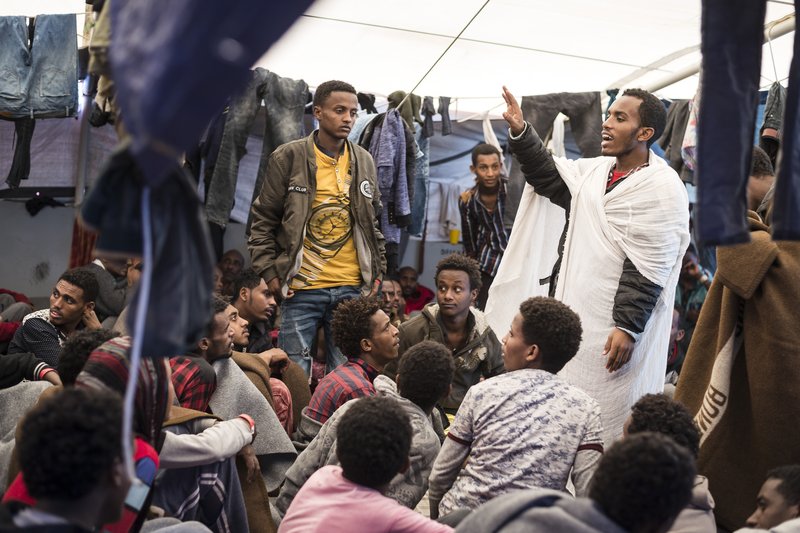
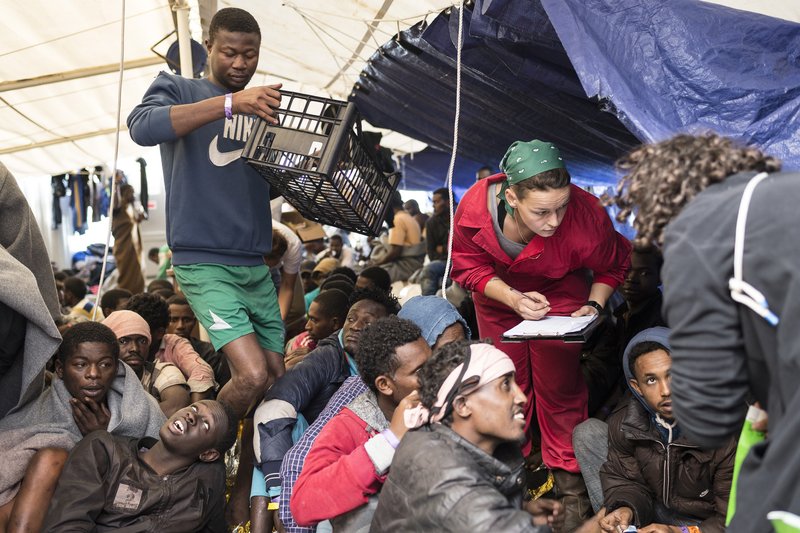
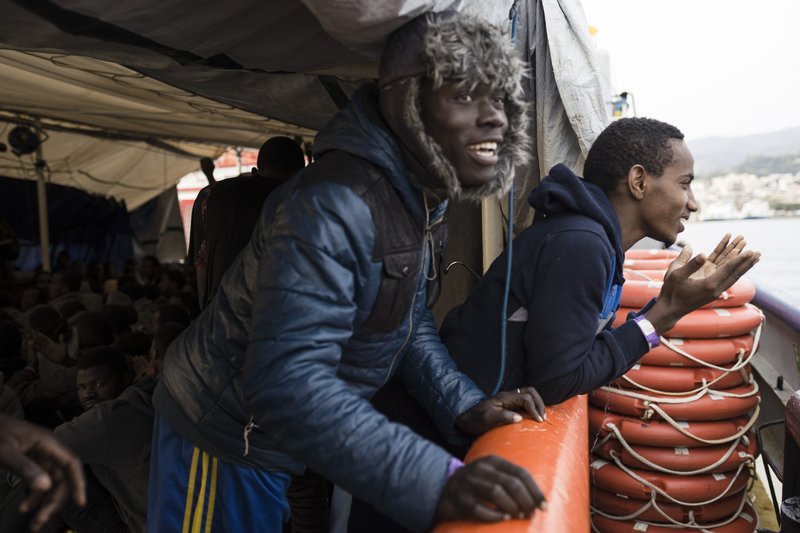
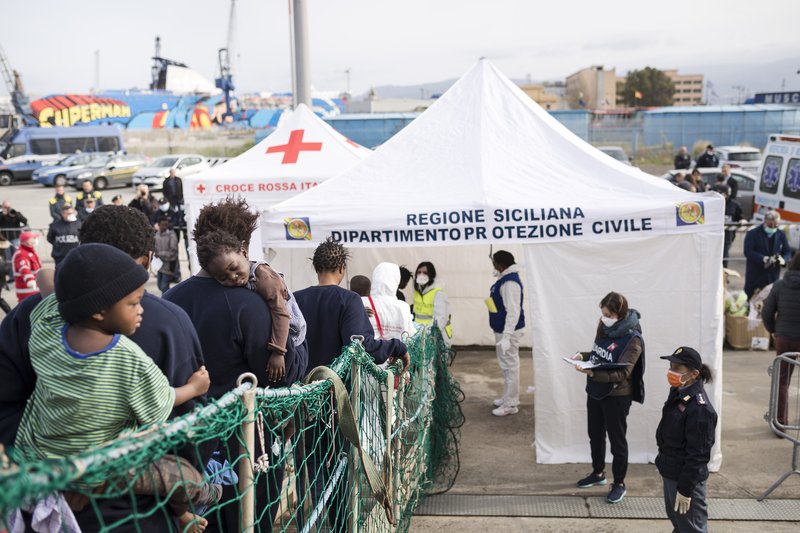
The Central Mediterranean route has been the most used migration route to the EU in recent years and also one of the world’s deadliest migration routes. Children are increasingly making up a significant portion of those traveling and furthermore many of them were unaccompanied or separated minors. The people embark on dangerous voyages, already starting by crossing the Desert from sub-Saharan African countries to North Africa (mainly Libya) and then try to cross the Mediterranean Sea to reach Europe. While on the move, refugees face high risks of human rights violations and death because the situation in Libya as a migration hub has favored the emergence of smuggling and trafficking networks in the country. Libya is torn apart since the fall of Muammar al-Gaddafi and an ongoing Civil War which started right afterwards. Many fleeing people end up in detention centres of militias or human traffickers. The NGO Sea-Watch was born out of an initiative by volunteers who emerged after the Mare Nostrum mission from the EU ended, which was responsible for the rescue of people crossing the Central Mediterranean route until the end of 2014. Since the beginning of 2015 the civil organization, which is consisting mainly of dedicated volunteers from all over Europe, has been involved in the rescue of well over 35,000 people so far by patrolling the Libyan 24-nautical mile zone and is actively seeking for boats in distress. But the organization´s agenda is not to safe only the lifes of fleeing people in distress on the Mediterranean Sea. They also demand an international, institutionalized rescue service with a clear mandate from the EU. Another policy is to stop the EU fundings for the Libyan Coast guard, which is actively taking part in the lucrative smuggling business with its connections to militias and human trafficking networks.