

Award of Excellence: Tunu
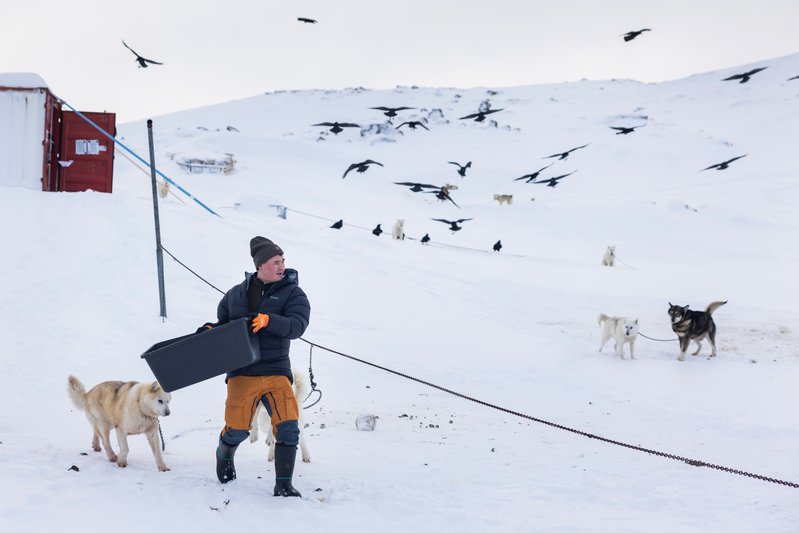
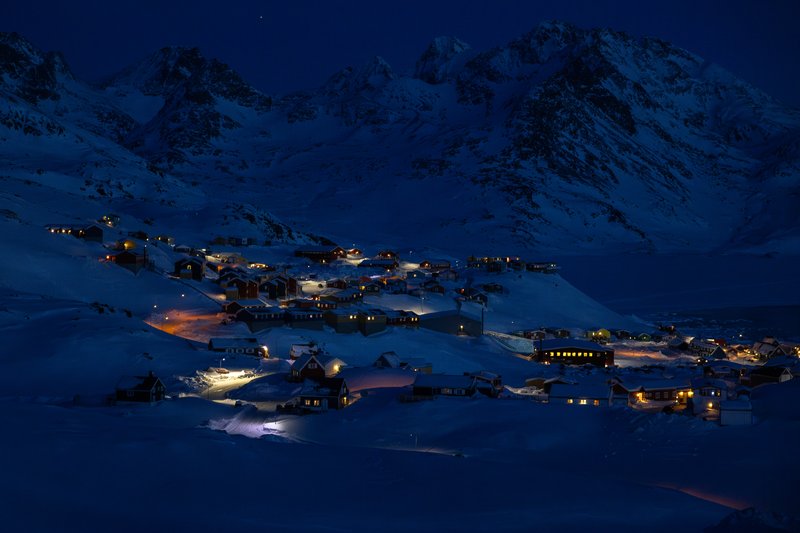
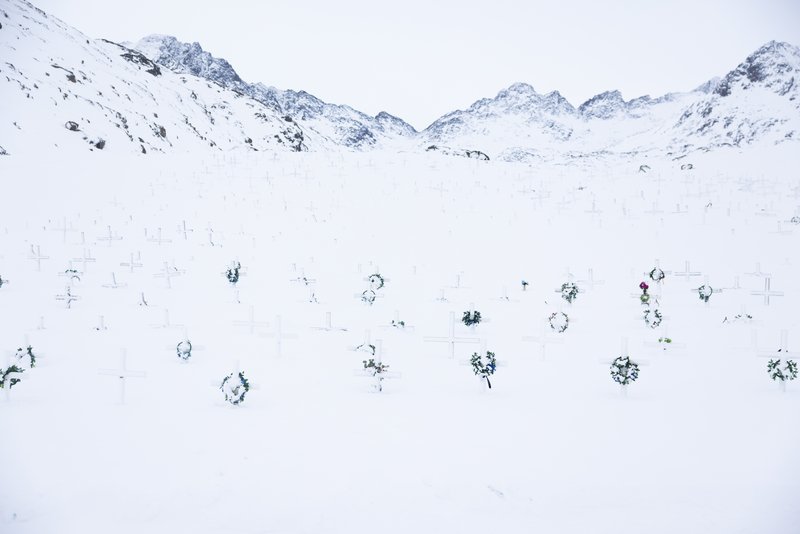
In West Greenland, the east coast is called Tunu. It means “the backside.” The name comes partly from the harsh weather, which makes the coast difficult to access, and partly because the east coast was colonized 100 years later than the west coast. But it also reflects the fact that East Greenland faces some of the country’s most severe social problems: suicide, sexual abuse, violence, and substance misuse.
For many, life is so hard and hopeless that it can be difficult to see any meaning. Yet there are also forces trying to give the next generation a better life—among them, teaching young people to dream. Not necessarily big dreams, but simply about something: a sofa, a tour guide certificate, or savings for a small fishing boat.
As opportunities are few with almost no educational options and jobs, and the lack of housing puts extra pressure on families. Some try to move to West or South Greenland to study, but return when homesickness becomes too strong. The question remains: what future awaits a generation go youth learning to dream in a town that has none?
Untitled
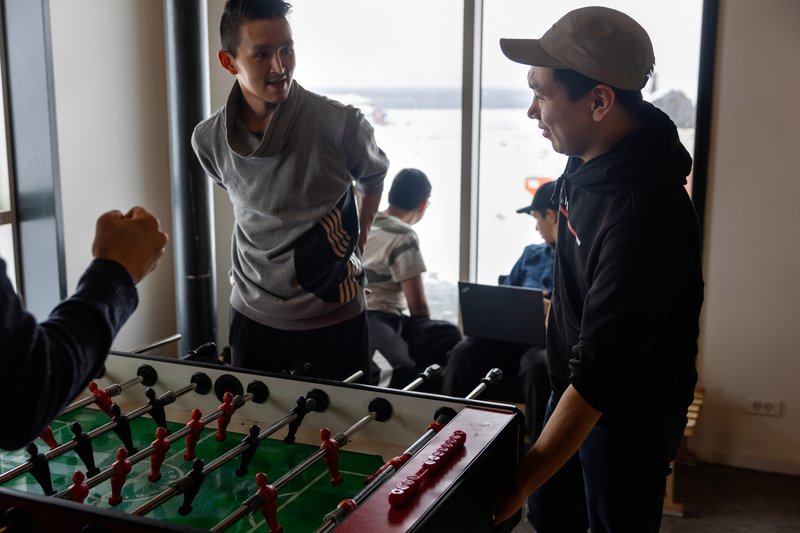
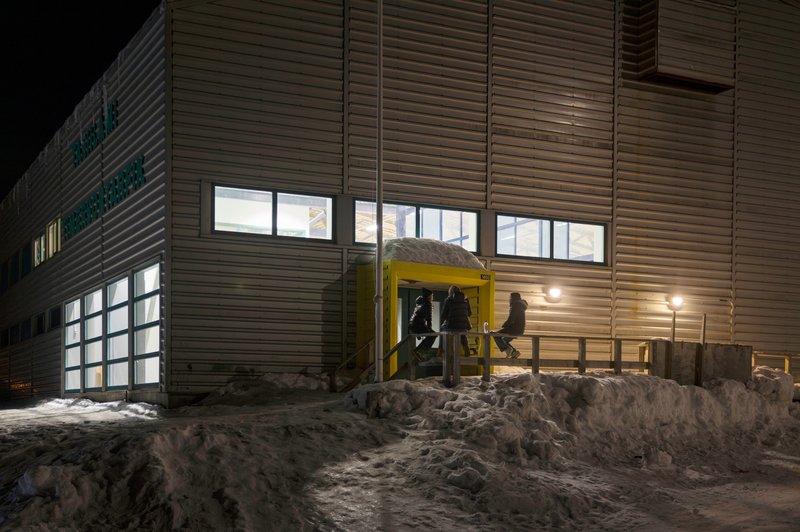
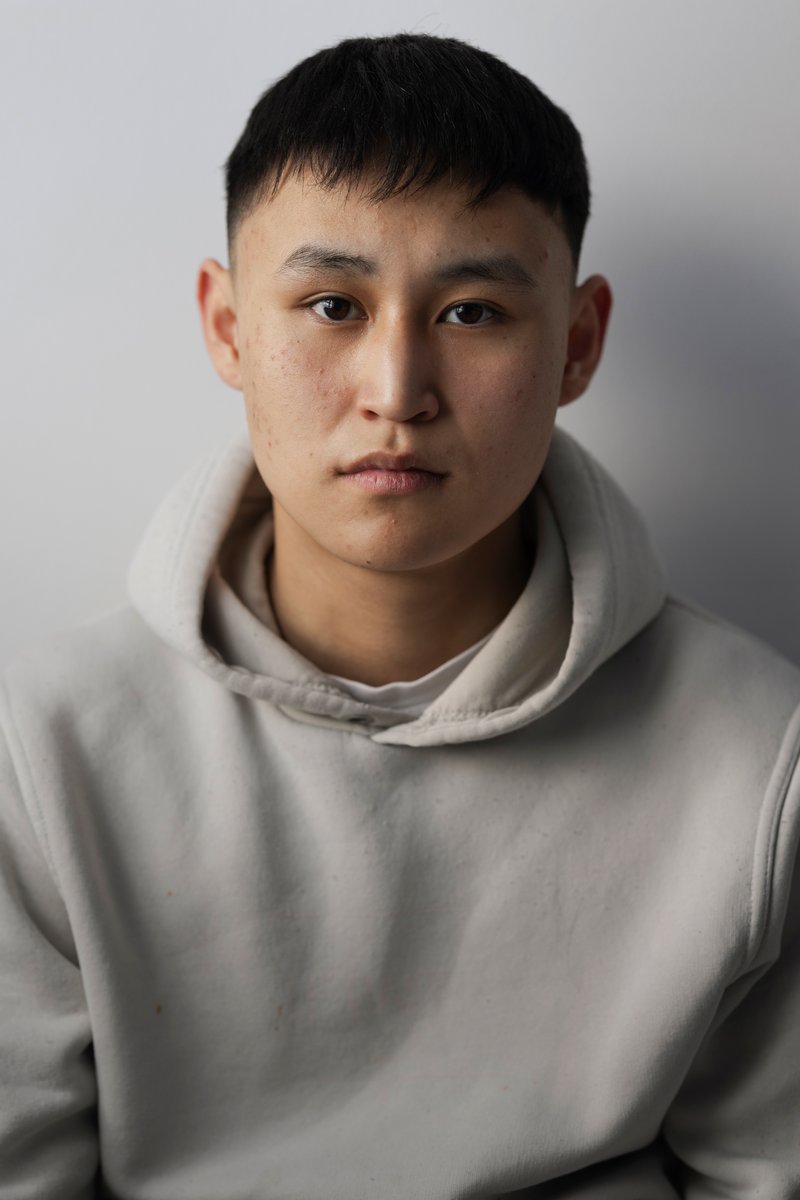
“When I was little, I taught myself a lot of things. I’m used to doing everything on my own.” 19 year old Kristian Abelsen says as he is stitching his pants back together. “I’ve lived in an orphanage since I was one year old. In 2020, I was sent to another orphanage in South Greenland because I caused trouble in Tasiilaq. When I turned 18, they sent me back here. Now I live with my cousin. My mother is in prison in Denmark, and my father lives in one of the rural areas. I sometimes visit him in the summer together with my older brother. I go to the youth culture house every day. For me, it’s the best place in Tasiilaq, besides the nature. I take very long walks. Sometimes I walk in the valleys for five hours. I often ask my friends if they want to come, and if not, I go alone. When I’m sad, I also go for a walk. If you ask some of my friends whether they’ve seen me sad, they would probably say no, because I’m always happy. But sometimes I get sad in the evening or at night.” What do you dream of? “I think I want to become a chef. You can work as a chef here, and in South Greenland in Narsaq, there’s a school where you can learn it.” Do you think that will happen? “I don’t know when I’ll do it. But I think it will probably happen soon.”