

Award of Excellence: Tunu
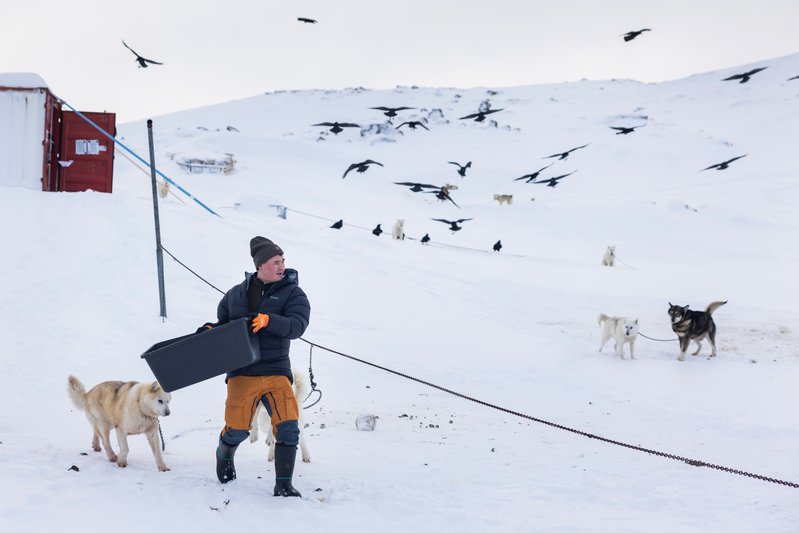
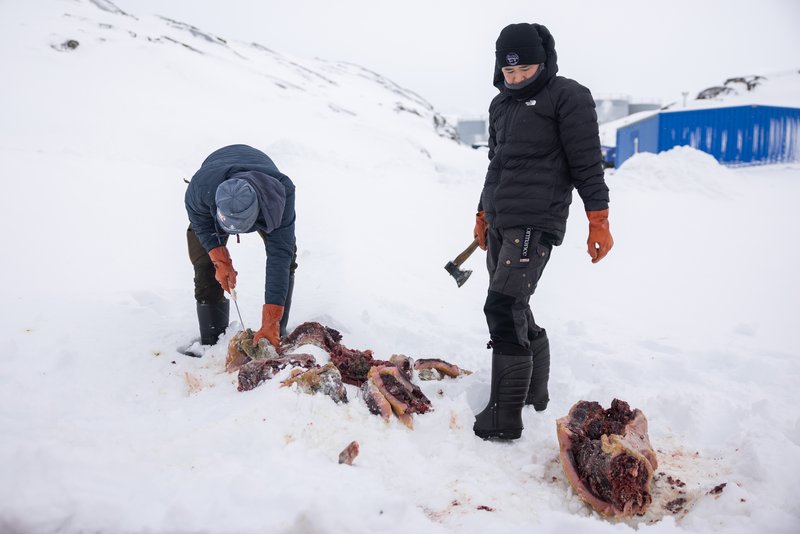
In West Greenland, the east coast is called Tunu. It means “the backside.” The name comes partly from the harsh weather, which makes the coast difficult to access, and partly because the east coast was colonized 100 years later than the west coast. But it also reflects the fact that East Greenland faces some of the country’s most severe social problems: suicide, sexual abuse, violence, and substance misuse.
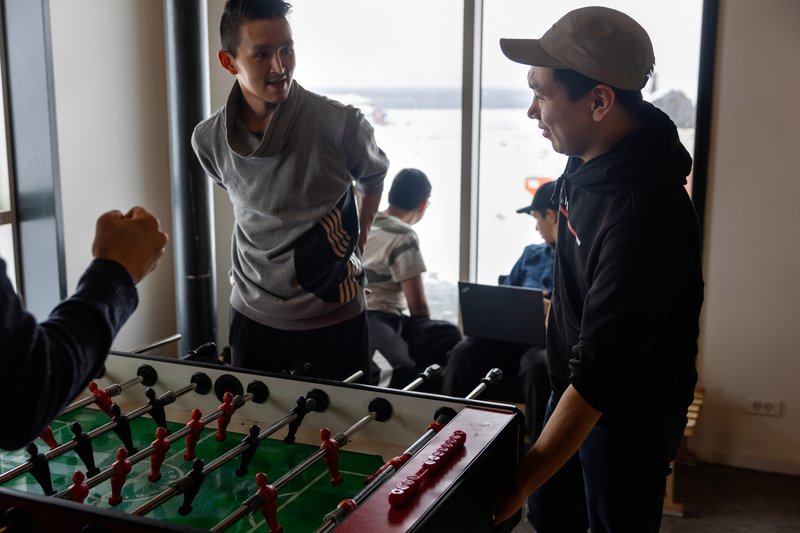
For many, life is so hard and hopeless that it can be difficult to see any meaning. Yet there are also forces trying to give the next generation a better life—among them, teaching young people to dream. Not necessarily big dreams, but simply about something: a sofa, a tour guide certificate, or savings for a small fishing boat.
As opportunities are few with almost no educational options and jobs, and the lack of housing puts extra pressure on families. Some try to move to West or South Greenland to study, but return when homesickness becomes too strong. The question remains: what future awaits a generation go youth learning to dream in a town that has none?
Untitled
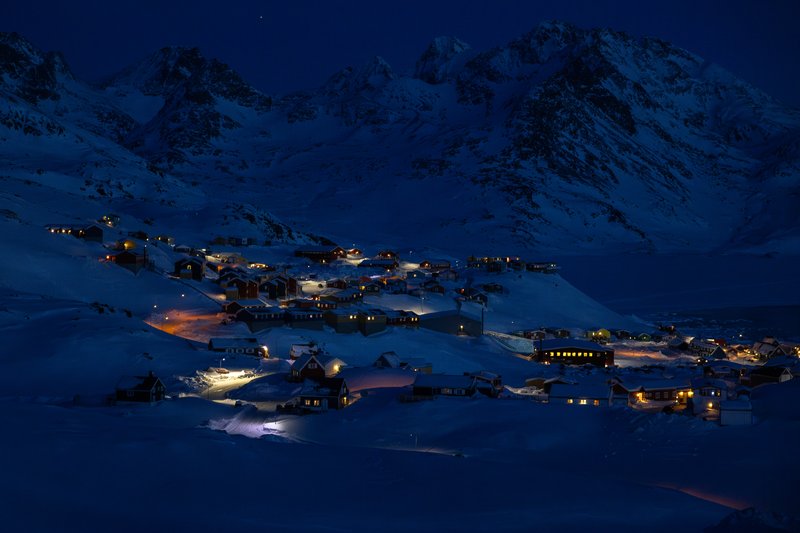
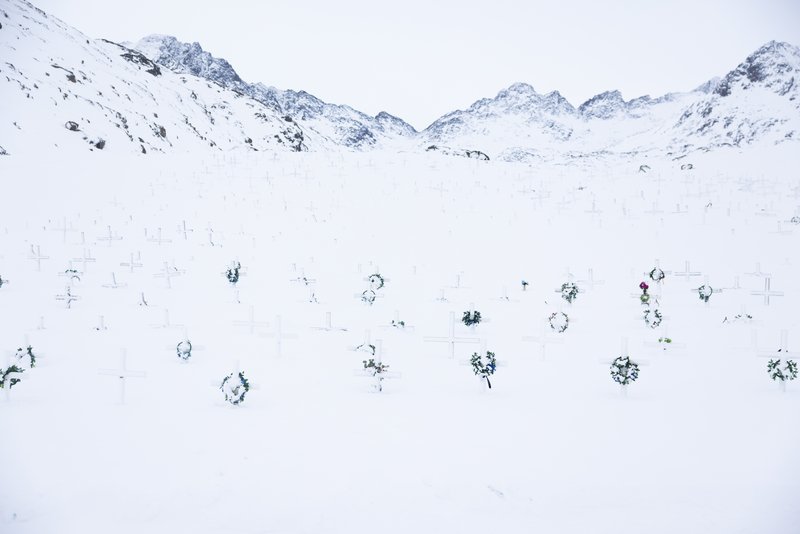
On the outskirts of the town lies Blomsterdalen, framed by the high, rugged mountains of the east coast. It is known as one of the most beautiful places in Tasiilaq. In front of the entrance to the valley is the town’s cemetery, where hundreds of white crosses rise from the snow, a reminder that too many people in Tasiilaq have lost their lives earlier than they should have.