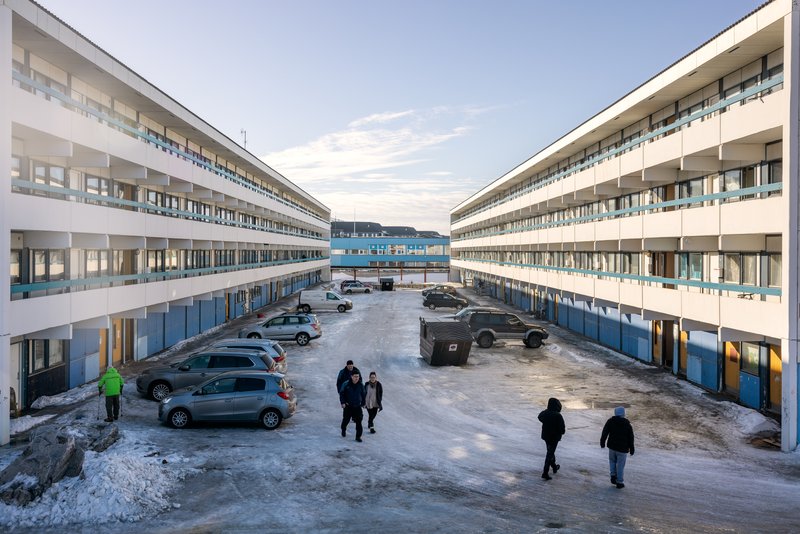


Gold: Block 1-10
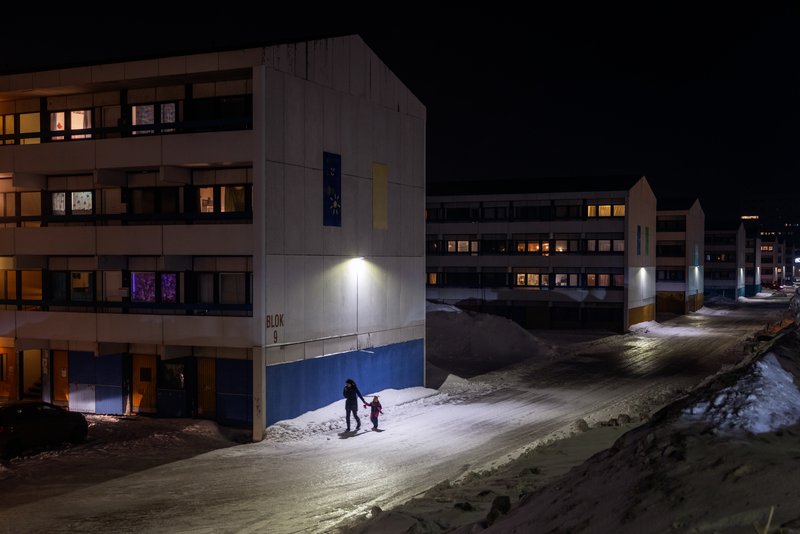
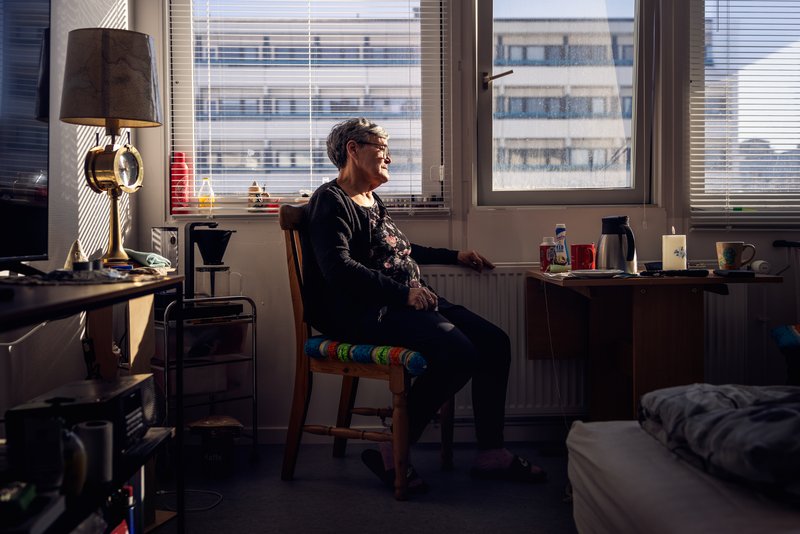
Greenland’s future is being pulled and torn by the persistent interest of the United States and other global powers. Yet behind the worn facades of the many concrete housing blocks, everyday life for the island’s inhabitants quietly continues.
Today, the large concrete housing blocks make up a significant share of Greenland’s homes. They have done so ever since the Danish state, in the 1960s and 1970s, decided to modernize the island’s infrastructure through an ambitious centralization strategy.
The goal was to improve welfare by moving people out of the settlements and away from the coastal dwellings that were considered both unhealthy and outdated. At the same time, fishing grew from something a single man could do to support his family into a large-scale industry, creating a demand for more labor in the bigger towns.
People needed somewhere to live, it had to be built quickly, and it had to be big. And so, in the 1960s, concrete housing blocks suddenly rose from the ground in every major town in Greenland.
In Nuuk, ten such blocks were built in the very center of the city. Decades have passed, but the blocks remain in the heart of town, largely unchanged.
The move from the settlements into the concrete blocks is remembered both as a marked improvement in living conditions and as a loss of Greenlandic identity and traditional ways of life.
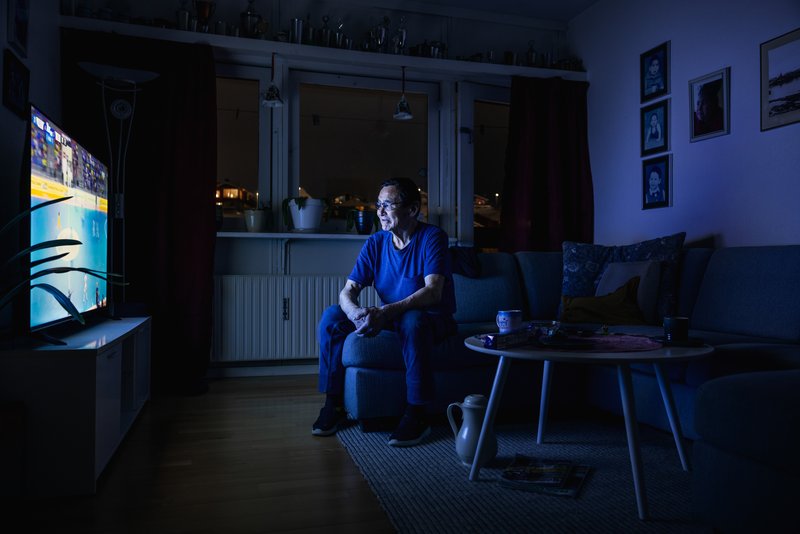
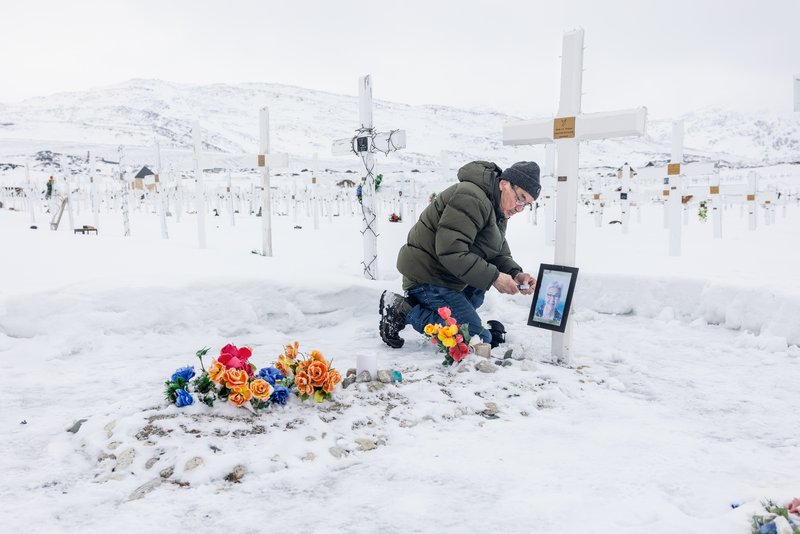
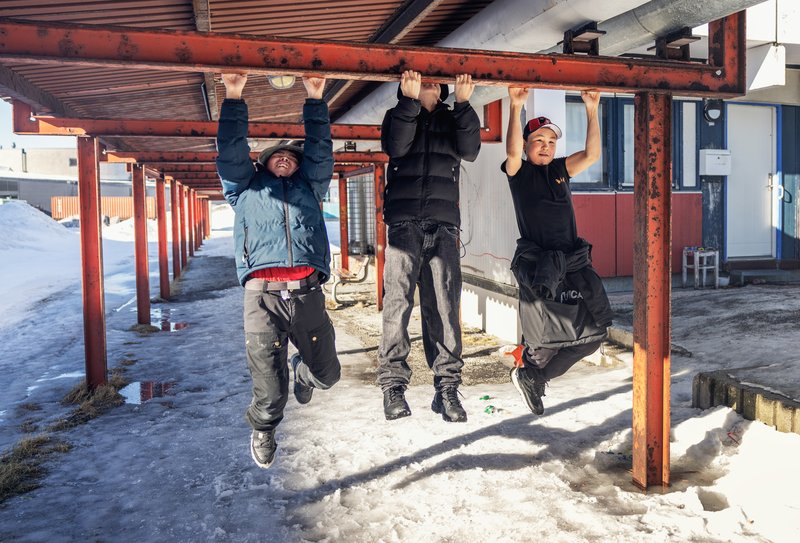
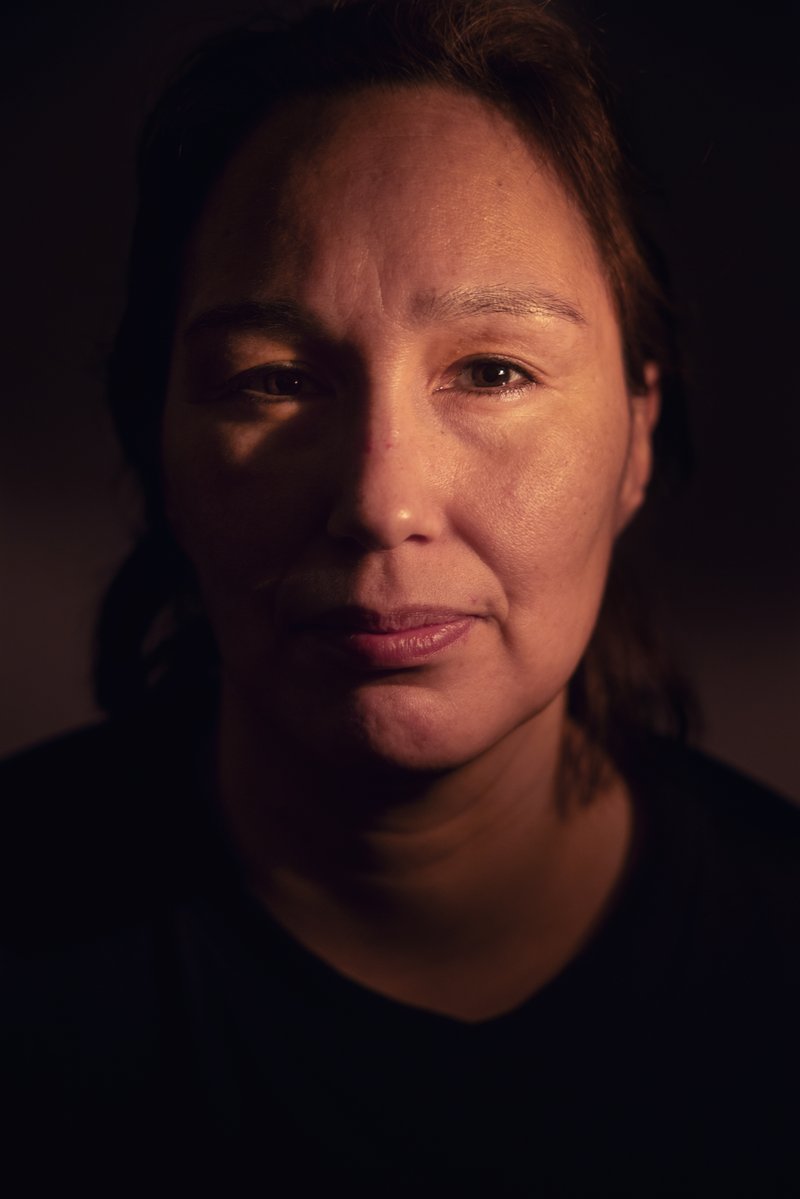
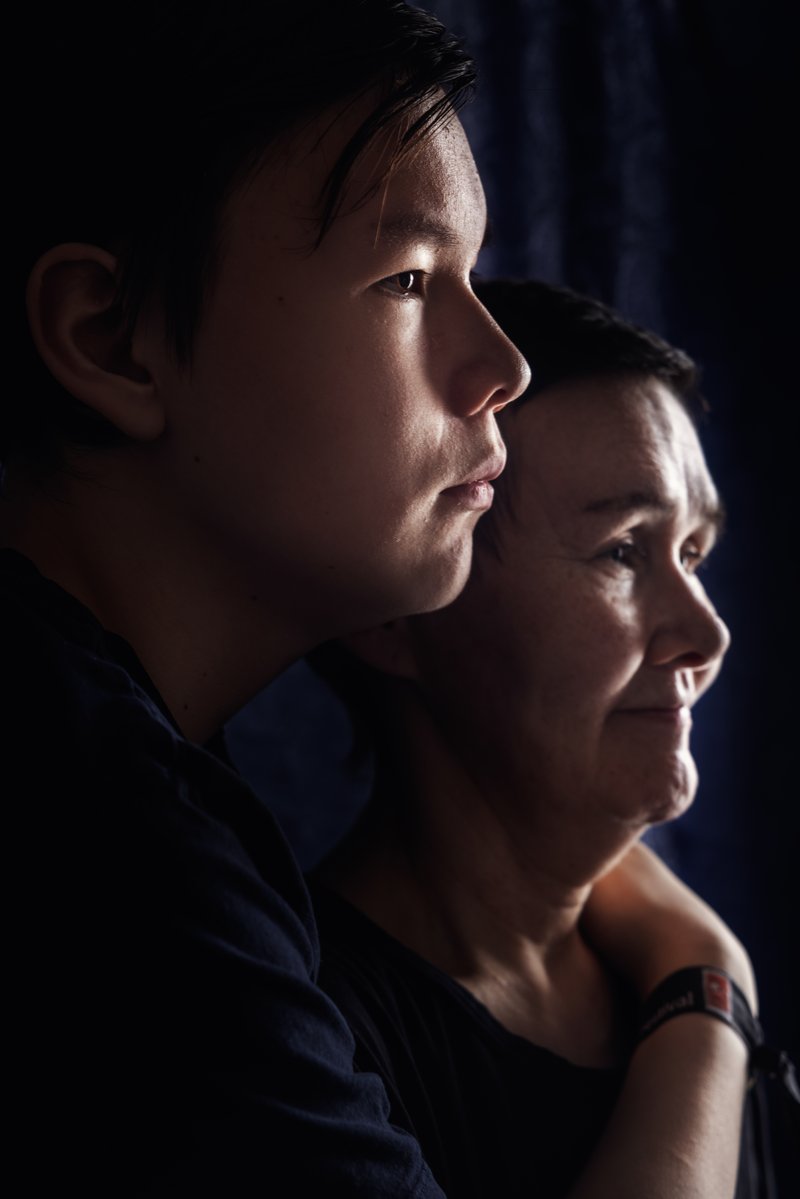
Over time, however, the blocks have become so deeply integrated into Greenlandic society that one might say a new culture has grown out of them. This project visits the residents of Sletten and explores life in the shadow of these buildings.
Greenlandic culture lives on
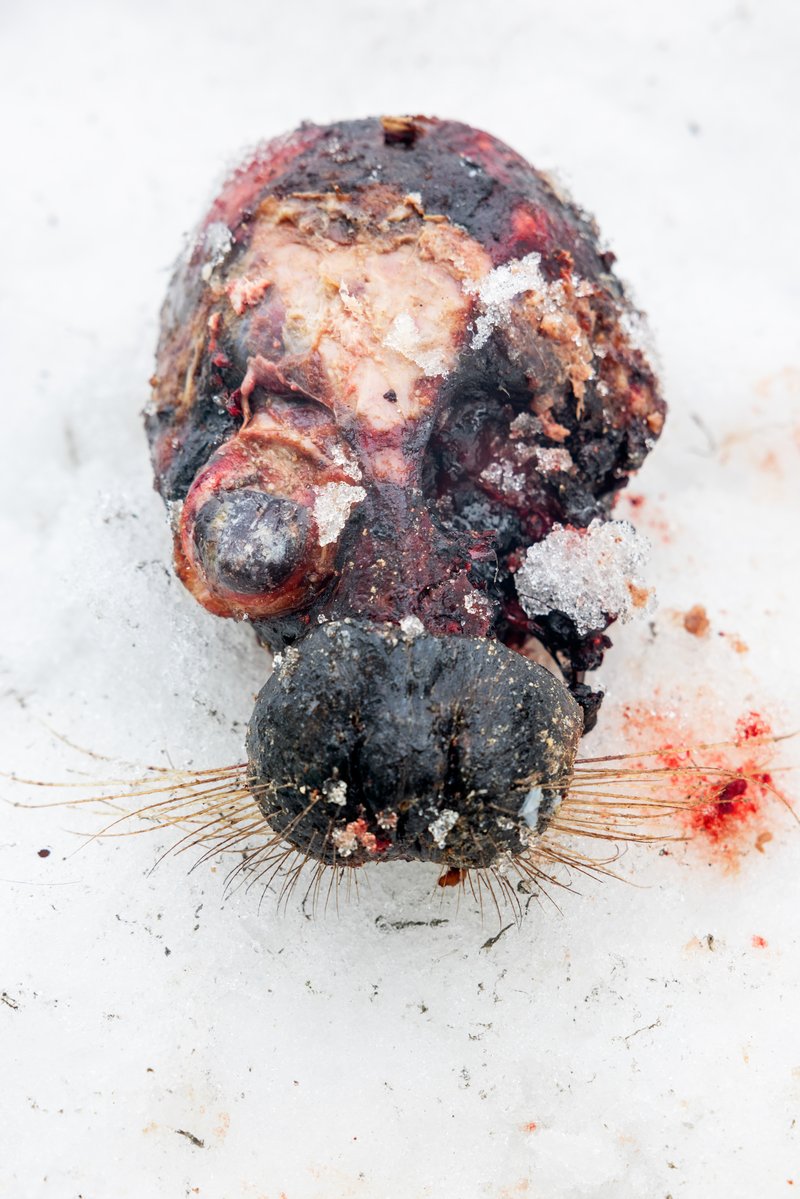
The rate of relocation in Greenland is more than twice as high as in Denmark, and each year around 30 percent of Greenlanders move. Fifteen percent move between towns and settlements, as commuting is not an option. While towns in Greenland are growing, many settlements are slowly declining. This shift has shaped life in the housing blocks, where people from different parts of the country now live side by side. Greenlandic culture continues within the city, with hunting and fishing still part of everyday life. Even outside the blocks in Nuuk, traces of this remain.