

CPOY 77 Portfolio Finalist, Runner-Up College Photographer of the Year: Ian Cheibub
A body of work that demonstrates versatility, expertise and depth and showcases a photographer's vision
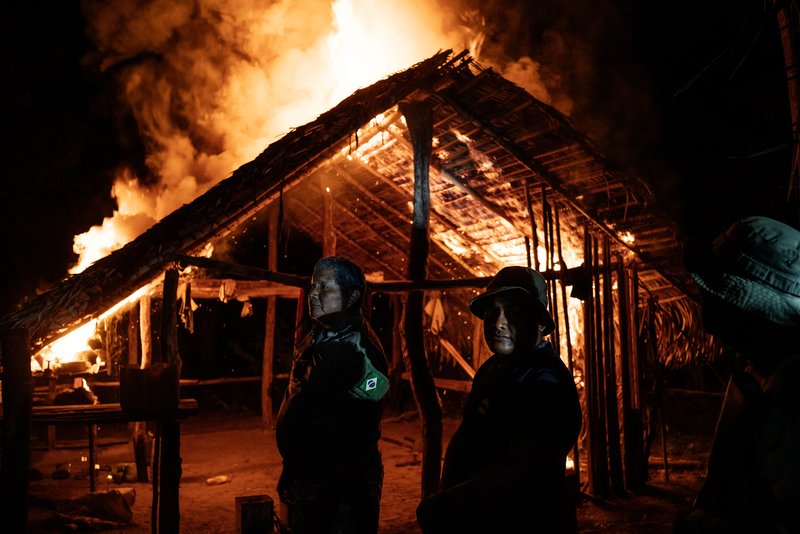
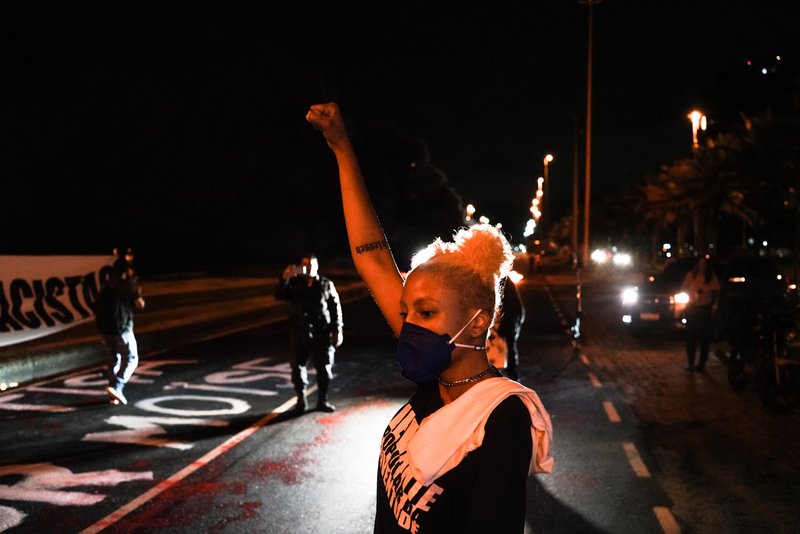
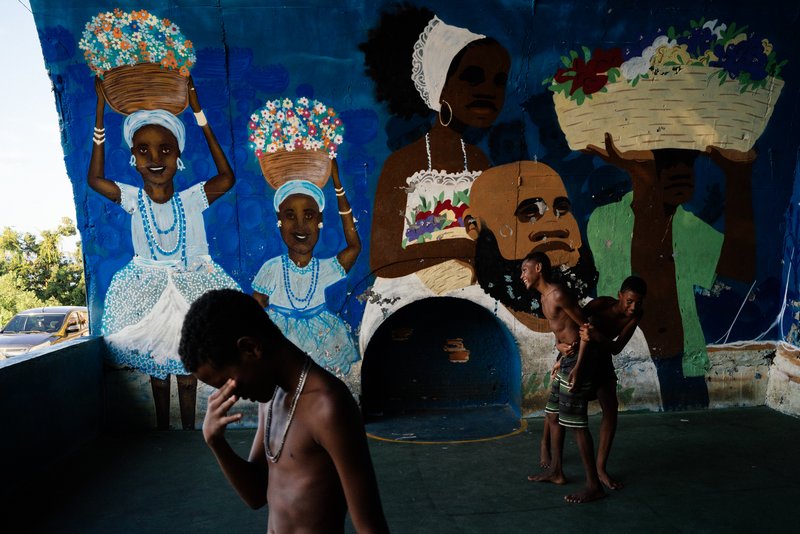
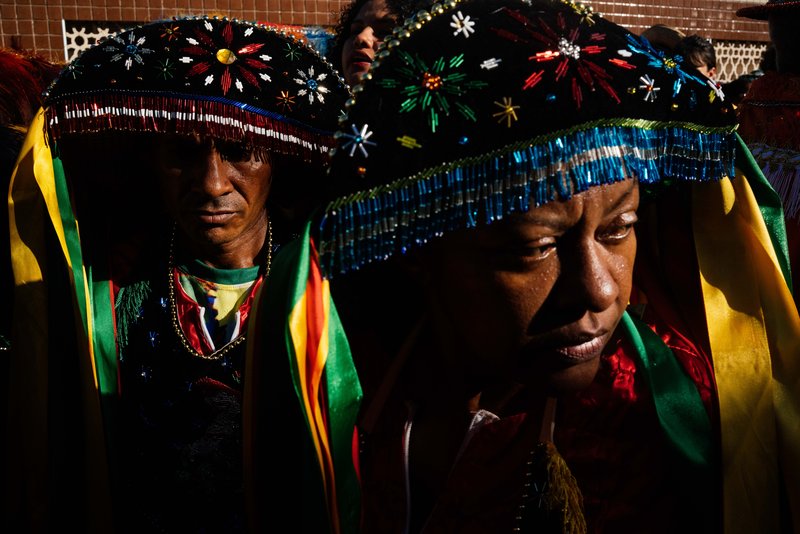
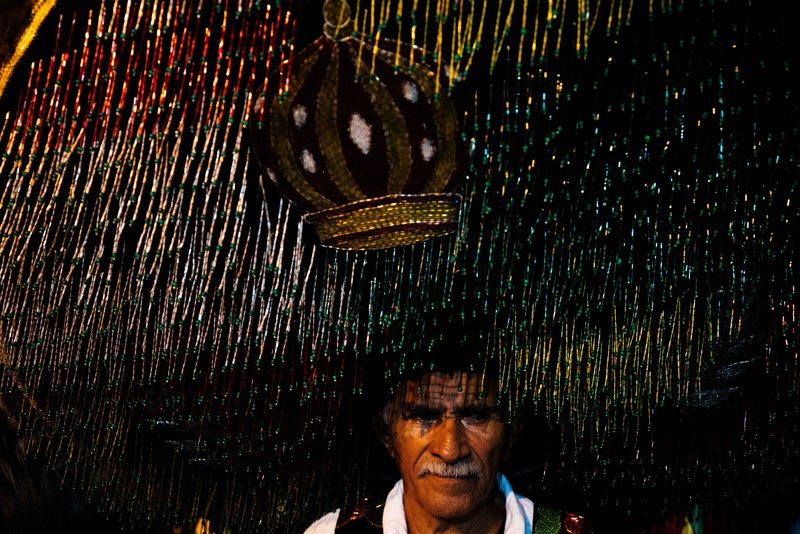
I am the fifth generation of Umbanda members in Rio de Janeiro. Afro-Brazilian religions like Umbanda and Candomble, have been persecuted and even prohibited throughout Brazil’s 300 years of slavery and afterwards. Their practice remained outlawed until the 1950s. Police arrested followers at religious practices and apprehended ritual objects during raids. As a fifth generation I grew up being told that I could not talk about my religion for fear of threats and prejudice. In 2017, I joined a campaign for the return of the objects of worship apprehended prior to the 1950's which were kept at the Police Museum, under the label "Black Magic". This campaign opened my eyes to the structural racism experienced by the predominantly Black members of Umbanda and Candomble and inspired me to share this story with the world. Even without official ban, Umbanda remains a persecuted religion subject to stereotypes and prejudice. Nowadays, the evangelical Pentecostals are charging Afro-Brazilian religious practices as worshipping the demons and "black magic". With the growth of Evangelical Pentecostal churches in the poorest areas of Brazil, radical pastors have allied with the militias and drug dealers that dominate those areas to expel and destroy Afro-Brazilian temples. "And Yet, Here We Are" started as a diary of my family's practices, specifically through the lens of my grandmother’s role as the current "priest" of our Umbanda temple. It has since transformed into a documentation of religious racism towards members of Afro-Brazilian religions throughout the country. I use this story to honor my family, my ancestors, and my Umbanda mates who are currently suffering from this prejudice. Thus, by bringing this story to light, I am offering a historical reparation and retelling of the culture and heritage of those who have been erased, but were always here.